




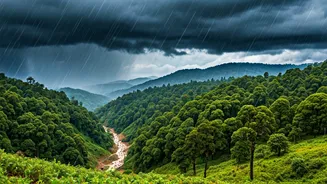


An Annual Pause for Nature
Every year, as the rains set in, a quiet falls over some of India's most popular national parks and tiger reserves. From July 1st, the core zones of many sanctuaries, including famous names like Ranthambore in Rajasthan, and Kanha and Bandhavgarh in Madhya
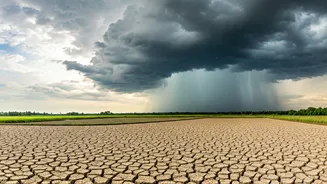
Pradesh, shut down for visitors. This closure typically lasts for about three months, until late September or early October, coinciding with the peak monsoon period. For many travellers, the timing seems counterintuitive—why close when the forests are at their most lush? The answer lies in a carefully considered strategy that prioritizes the well-being of the ecosystem and the safety of everyone involved.
A Time for Undisturbed Breeding
The primary reason for the monsoon closure is to protect wildlife during a critical period. The rainy season is the breeding and nesting time for a vast number of species, from tigers and leopards to elephants and countless birds. The dense foliage and replenished water sources create a perfect nursery for animals to mate and raise their young. By closing the parks to human traffic, including safari vehicles, authorities ensure that these animals can breed without stress or disturbance. The constant presence of tourists, vehicle sounds, and camera flashes can disrupt natural behaviours, affecting the survival rates of young offspring. This annual pause gives wildlife the privacy it needs to thrive.
Letting the Forest Heal Itself
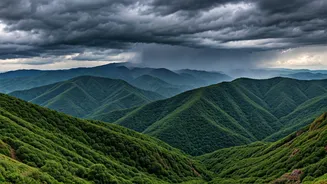
The monsoon is nature's own maintenance period. The relentless rains allow the forest floor to rejuvenate, fostering the growth of new grass and vegetation that herbivores depend on. The floods, particularly in parks like Assam's Kaziranga, help replenish wetlands and distribute vital nutrients across the ecosystem. Closing the parks also prevents further damage to the delicate forest tracks. Heavy safari vehicles on slushy, waterlogged paths can cause significant soil erosion and habitat damage. The break allows forest departments to undertake essential repair work on roads, bridges, and other infrastructure that is often washed away or damaged by the heavy rains, ensuring everything is ready for the next tourist season.
Safety Above All Else
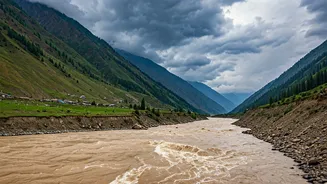
Beyond conservation, the closures are a critical safety measure. Monsoon rains can make jungle tracks slippery, treacherous, and completely impassable. Rivers and streams swell, creating a risk of flash floods that could strand vehicles and endanger tourists and park staff alike. In parks like Kaziranga, rising river levels often lead to widespread flooding, forcing animals to migrate to higher ground. The reduced visibility and unpredictable conditions make safaris hazardous. By pausing operations, park authorities mitigate these risks, ensuring that when visitors return, they can have a safe and enjoyable experience.
Which Parks Are Closed?
The closure affects the core zones of most major tiger reserves. Parks like Jim Corbett in Uttarakhand, Ranthambore in Rajasthan, and Bandhavgarh, Kanha, and Pench in Madhya Pradesh typically shut from July 1st until around mid-October. Dudhwa National Park is often closed from July to October. Kaziranga National Park may close even earlier, from May to October, due to severe flooding from the Brahmaputra river. However, all is not lost for the monsoon traveller. Many parks keep their buffer zones or specific gates open for limited tourism. For instance, some zones in Ranthambore (Gates 6-10) and the Jhirna and Dhela zones in Jim Corbett often remain accessible year-round, offering a different, greener safari experience.