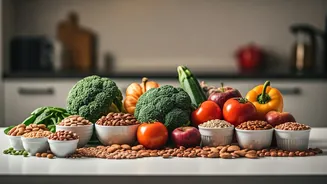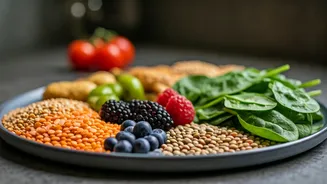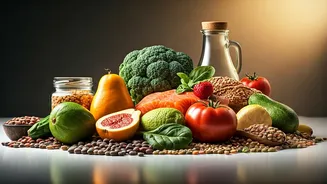







First, Why All the Buzz About Fiber?
Before we dive into the hacks, let’s quickly understand why everyone from nutritionists to influencers is suddenly obsessed with fiber. Dietary fiber, found mainly in fruits, vegetables, whole grains, and legumes, is a type of carbohydrate your body can't
digest. Instead of being broken down, it passes through your system, bringing a host of benefits. There are two types: soluble fiber (dissolves in water, helps control blood sugar and cholesterol) and insoluble fiber (doesn't dissolve, helps prevent constipation). A high-fiber diet is linked to a healthier digestive system, lower risk of heart disease, better blood sugar management, and can help you feel fuller for longer, which aids in weight management. The online trend is simply a modern, catchy way of rediscovering this age-old nutritional wisdom.
Hack 1: Power Up Your Breakfast
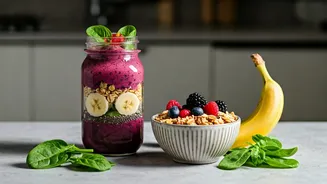
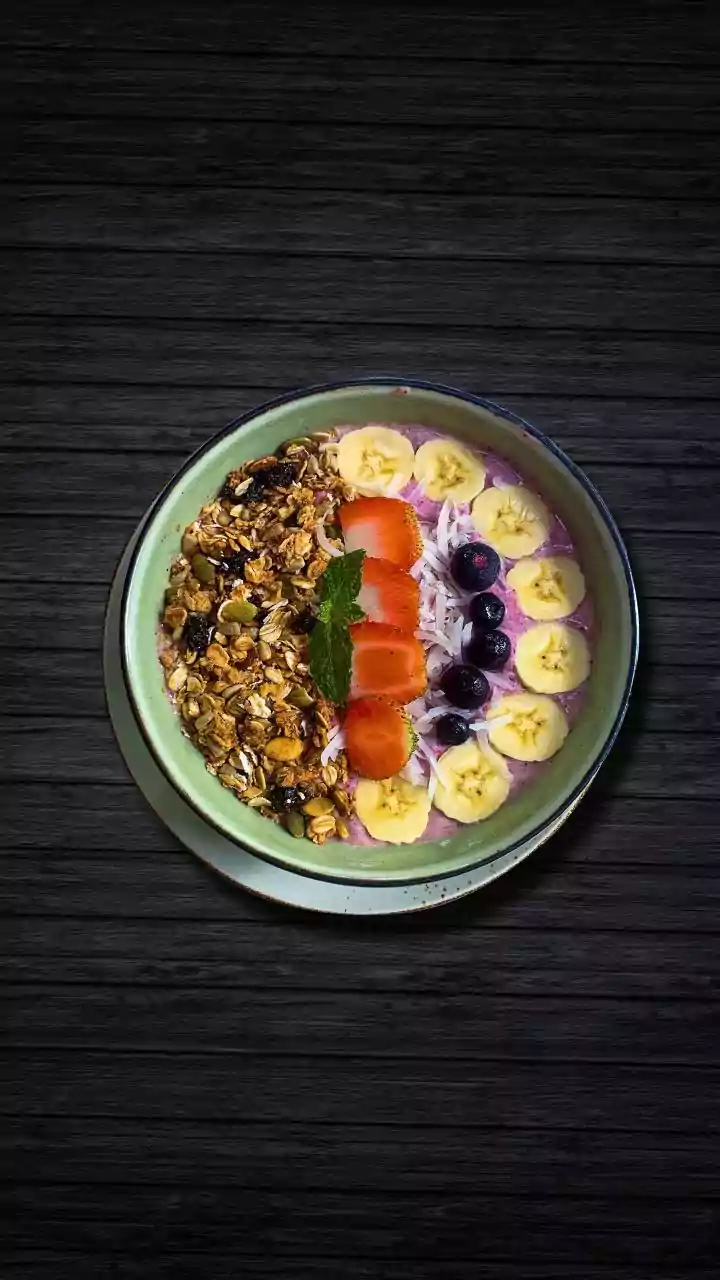
The easiest way to start hitting your fiber goals is with your first meal of the day. Swap out low-fiber options for power-packed alternatives. A bowl of oatmeal or daliya is a fantastic start. To boost it further, add a tablespoon of seeds or a handful of berries. If you're a fan of poha, try making it with brown or red rice poha instead of the white variety. Even your morning smoothie can become a fiber powerhouse by blending in a handful of spinach (you won't taste it!), a tablespoon of psyllium husk (isabgol), or some fruit with the skin on, like apples or pears.
Hack 2: Master the Seed Sprinkle
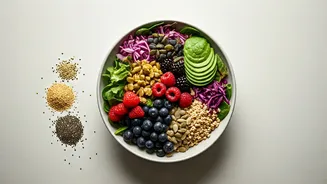
This is perhaps the most popular and easiest hack you’ll see online. Keep a small jar of mixed seeds—like chia, flax, pumpkin, and sunflower—on your kitchen counter. A single tablespoon of chia seeds contains about 5 grams of fiber! Sprinkle them on everything: your yogurt, salads, dal, sabzi, and even over your morning toast with avocado. Grinding flax seeds makes their nutrients more accessible to your body. It’s a simple, nearly tasteless addition that significantly increases your daily fiber count without changing the flavour of your favourite dishes.
Hack 3: Upgrade Your Grains and Flours
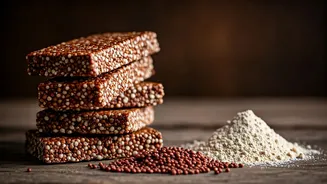
This hack involves making simple swaps in your daily staples. Instead of using only white rice, try a mix of brown and white rice, or introduce millets like jowar, bajra, and ragi into your meals. When making rotis or parathas, use whole wheat atta instead of maida. You can even mix in other flours like besan (chickpea flour) or oat flour to increase the fiber content. These whole grains not only provide more fiber but also offer a richer array of vitamins and minerals compared to their refined counterparts.
Hack 4: Snack Smarter, Not Harder
Mid-day hunger pangs are often when we reach for processed, low-fiber snacks like chips or biscuits. This is a golden opportunity to add more fiber. Keep a stock of healthy, high-fiber snacks ready. Think whole fruits like apples and bananas, a handful of almonds or walnuts, a small bowl of roasted chana, or some vegetable sticks (cucumber, carrots) with hummus. Hummus, made from chickpeas, is an excellent and delicious source of fiber. These snacks will keep you full and energized far longer than any packaged snack.
Hack 5: Bulk Up with Beans and Lentils
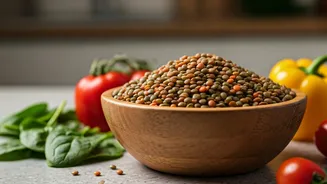
Dals, beans, and legumes are fiber superstars and already a cornerstone of Indian cuisine. The hack here is to use them more creatively and frequently. Add a handful of lentils to your vegetable soups to make them thicker and more nutritious. Toss some boiled chickpeas or kidney beans (rajma) into your salads for extra texture and protein. You can also mash beans and add them to patties for burgers or use them as a filling for wraps. This not only boosts fiber but also adds plant-based protein, making your meals more balanced and satisfying.