






The New Monsoon Rush
The long-held belief that India's monsoon is the travel off-season is quickly becoming a thing of the past. Recent data from July 2026 shows a significant spike in travel demand for destinations traditionally considered quiet during the rains. States
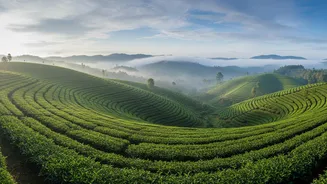
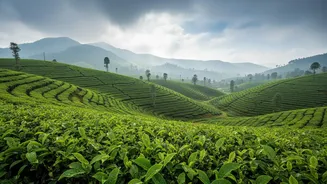
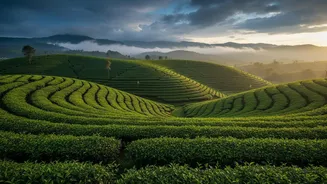
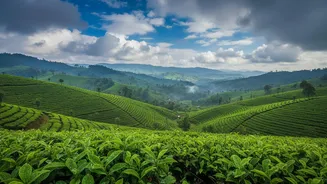
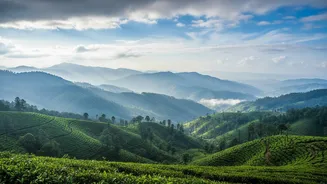
like Kerala, Goa, Himachal Pradesh, and Uttarakhand are reporting a sharp rise in hotel bookings. Some popular hill stations such as Munnar and Mussoorie have seen a nearly tenfold increase in hotel bookings compared to last year, while destinations like Rishikesh have seen searches grow by over 200%. This trend is driven by travellers seeking unique experiences like lush landscapes and wellness escapes, often encouraged by attractive deals from hotels and airlines. The result is a busier, more competitive booking landscape where spontaneous trips are harder to pull off.
Weathering the Uncertainty
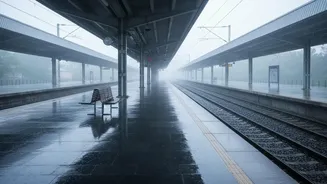
While the allure of a rain-soaked landscape is strong, the reality of monsoon travel is its unpredictability. Heavy rains can lead to a host of logistical challenges that can derail even the best-laid plans. In mountainous regions like Himachal and Uttarakhand, landslides and rockfalls are common, leading to sudden and prolonged road closures. Popular ghat roads near Lonavala and Khandala can become risky due to poor visibility and falling stones. Beyond the roads, air and rail travel are also frequently affected. Sudden downpours and low visibility can cause significant flight delays or cancellations, while waterlogging can disrupt train schedules. These disruptions aren't just inconvenient; they can leave you stranded, incurring unexpected costs for accommodation and alternate travel.
Decoding 'Free Cancellation'
In this uncertain environment, a 'refundable' or 'free cancellation' booking seems like the perfect solution. However, these terms are not always as straightforward as they sound. 'Free cancellation' almost always comes with a strict cut-off time, after which you may be charged a penalty or the full amount. This window can be anything from 24 hours to several days before your check-in date. It's crucial to read the fine print. Some hotels may offer a credit for a future stay instead of a cash refund. For flights, 'flexi' fares are often fully refundable, but they come at a premium price compared to standard non-refundable tickets. Using booking site filters to specifically show refundable rates can help, but always verify the exact terms before you confirm.
Your Flexible Booking Strategy
To navigate the monsoon travel season successfully, a flexible booking strategy is key. Start by filtering your searches on travel portals for refundable options, but don't stop there. Whenever possible, consider booking directly with hotels, as they may offer more lenient policies and are sometimes easier to negotiate with if plans change. Pay close attention to the cancellation deadline—is it 48 hours or 14 days before arrival? For flights, compare the cost of a non-refundable ticket plus travel insurance against a more expensive but fully flexible fare. Some booking platforms also offer an add-on 'zero cancellation' feature for a fee, which guarantees a 100% refund on non-refundable flights if you cancel. Always take a screenshot of the cancellation policy at the time of booking for your records.
The Safety Net of Travel Insurance
Travel insurance is an essential tool, especially during the monsoon when the chances of disruption are higher. A comprehensive policy can be your financial safety net. Look for plans that specifically cover trip cancellations and interruptions due to severe weather. This could reimburse you for non-refundable expenses if a landslide blocks your route or a cyclone warning forces you to cancel. Travel delay coverage is also important, as it can help cover the cost of meals and an extra hotel night if your flight is grounded for hours. Some premium policies even offer 'Cancel for Any Reason' (CFAR) coverage, which provides the ultimate flexibility, albeit at a higher cost. Remember that insurance must typically be purchased before a weather event is officially named or becomes a foreseeable issue.