





Getting Started: Your Essential Toolkit
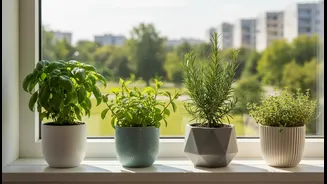
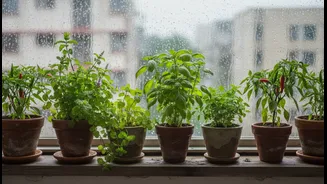
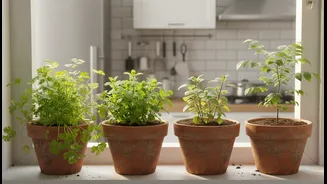
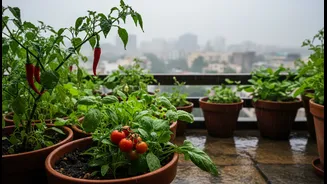
Before you begin, gather a few simple supplies. You will need four pots, each at least 6-8 inches deep, with drainage holes at the bottom to prevent waterlogging. Terracotta pots are an excellent choice as they are porous and allow roots to breathe. For
soil, a ready-made potting mix combined with cocopeat and compost works best. This blend ensures the soil is light, nutrient-rich, and well-draining, which is crucial for healthy herbs. Finally, identify a windowsill that receives at least four to six hours of sunlight daily; a south or east-facing window is often ideal in India.
Coriander (Dhaniya): The Garnish Guru
No Indian kitchen is complete without dhaniya, and growing it at home ensures you always have a fresh, pesticide-free supply. Coriander is best grown from seeds. For quicker germination, gently crush the whole coriander seeds from your spice rack to split them in half before sowing. Plant them about half an inch deep in your pot. Keep the soil consistently moist but not soggy. In about 30 to 45 days, you'll be able to start harvesting the outer leaves for that final flourish on your curries and dals. Remember to harvest regularly to encourage new growth.
Mint (Pudina): The Easiest Green to Grow
If you're a beginner, mint is your best friend. It's incredibly resilient and grows so fast it's best kept in its own pot to stop it from taking over. The easiest way to start is not with seeds, but with a cutting from a fresh bunch you bought from the market. Simply place a healthy stem in a glass of water, and within a week or two, you'll see roots forming. Plant the rooted stem in a pot, and it will quickly establish itself. Mint loves moisture and thrives in a spot with bright, indirect light. Soon, you'll have an endless supply for your summer drinks, raitas, and vibrant chutneys.
Holy Basil (Tulsi): The Sacred Healer
Tulsi is more than just an herb in India; it's a sacred plant found in many homes. Beyond its spiritual significance, its leaves are prized for their medicinal properties, often used in herbal teas and 'kadha'. Tulsi thrives in sunlight, so give it the sunniest spot on your windowsill. You can grow it from seeds, which are found in the dried flower heads of a mature plant. Water it regularly, but be careful not to overdo it, especially during monsoon and winter. The aromatic leaves add a wonderful, peppery flavour to chai and can be a soothing addition to your daily wellness routine.
Curry Leaves (Kadi Patta): The Flavour Powerhouse
The sizzle of curry leaves in hot oil is a quintessential sound and smell in Indian cooking. While Kadi Patta is technically a small tree, it can be grown in a deep pot on a sunny balcony or windowsill for years. It's best to start with a small sapling from a local nursery rather than seeds, which can be difficult to germinate. This plant loves a lot of direct sunlight and well-drained soil. Water deeply, but allow the top couple of inches of soil to dry out before watering again. With a little patience, you'll have your own supply of this indispensable flavouring agent for all your tadka needs.