






The Real Genius of Eating Seasonally
Our grandparents didn’t need diet charts to know what to eat during summer, winter, or the monsoon. [4] They naturally ate what was locally available, a practice deeply embedded in Indian food traditions. [4] Eating seasonally means choosing foods that
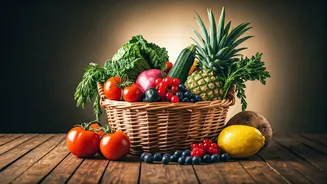
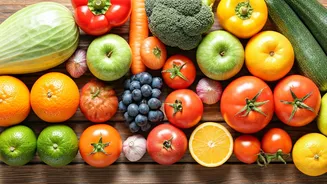
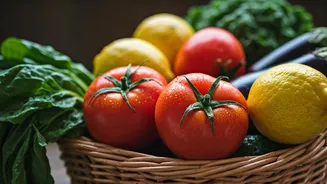
grow naturally during a specific time of year. [8] This simple act is a 'smarter' choice for several key reasons. First, produce picked at its natural peak of ripeness is packed with the highest levels of vitamins, minerals, and antioxidants. [11, 22] A locally grown, in-season tomato can have significantly more Vitamin C than one grown artificially and transported over long distances. [3] The food simply tastes better—it's fresher, juicier, and more flavourful without any need for additives. [22] This peak flavour and nutrition are often lost when produce is harvested early for long-distance shipping. [3, 15]
Nature's Monsoon Bounty
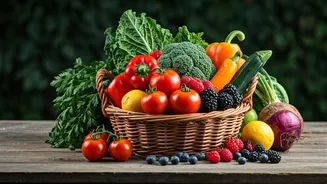
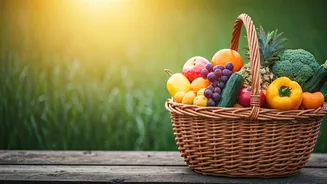
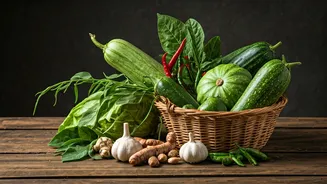
As the monsoon arrives in India, it brings a specific and delicious array of fruits and vegetables perfectly suited for the season. This is the time to enjoy juicy jamun, peaches, plums, and cherries. [25] It’s also the season for roasted corn on the cob (bhutta), a quintessential monsoon snack. [5] On the vegetable front, markets are filled with various gourds like bitter gourd (karela), ridge gourd (turai), and bottle gourd (lauki). [3, 9] You'll also find lady's finger (bhindi), colocasia (arbi), and cucumber in abundance. [9, 24] These vegetables are not just randomly available; they are what our bodies often need during the damp, humid climate of the monsoon. [4]
A Natural Boost for Your Immunity
The rainy season often brings a higher risk of infections, colds, and digestive issues. [7, 12] Nature, however, provides a solution. Many monsoon-specific foods are natural immunity boosters. [7] Fruits like jamun, peaches, and plums are rich in antioxidants and Vitamin C, which help strengthen the body's defence mechanisms. [25, 14] Traditional monsoon vegetables like bitter gourd are known to support liver function and immunity. [3] Spices and herbs that are prevalent in monsoon cooking, such as ginger, garlic, and turmeric, have powerful anti-inflammatory, antiviral, and antibacterial properties. [6, 10, 14] Incorporating these into daily meals, like in a warm soup or a cup of masala chai, is a comforting and effective way to stay healthy. [10]
Lighter on Your Wallet and the Planet
Beyond the health benefits, eating seasonally makes strong economic and environmental sense. When a fruit or vegetable is in season, it is abundant, which drives down its cost. [19, 21] You’ll often find that seasonal produce at your local sabziwala is significantly cheaper than non-seasonal items in a supermarket. [3, 19] This is because local, seasonal food doesn't require expensive transportation, long-term refrigeration, or artificial growing conditions. [19, 22] This reduced travel and storage also means a smaller carbon footprint, making seasonal eating a more environmentally friendly choice. [15, 22] By buying what's in season, you support local farmers and contribute to a more sustainable food system. [18]
Simple Swaps for Smarter Meals
Integrating seasonal foods into your diet doesn't require a complete overhaul of your eating habits. It can be as simple as making a few smart swaps. Instead of reaching for cauliflower in July, try a sabzi made with bottle gourd or ivy gourd (tendli). [24] Enjoy fresh jamun or a juicy pear for dessert instead of an imported apple. [25, 26] The monsoon is the perfect time to enjoy classic comfort foods like pakoras made with potato or onion, or hearty soups made with fresh vegetables. [5, 10] Even simple snacks get a seasonal twist, like grilled bhutta seasoned with salt, chilli, and lemon juice. [5, 23] By paying attention to what's fresh and plentiful at your local market, you can effortlessly make your meals more delicious, nutritious, and affordable.