
The Universe in a Haystack
NASA is facing a challenge of cosmic proportions: a data deluge. The agency's telescopes, orbiters, and probes have collected more than 150 petabytes of information over decades of exploration. That’s an almost unimaginable amount of data, equivalent
to several hundred thousand feature-length films. Hidden within these archives are clues about distant planets, solar flares, and the very nature of our universe. The problem is that the sheer scale and complexity of this data make it impossible for scientists to manually sift through every observation. For years, countless discoveries have been lying dormant in these vast digital archives, waiting for a tool powerful enough to find them.
Enter the Foundation Model
To tackle this data overload, NASA has embraced a cutting-edge form of artificial intelligence known as foundation models. In partnership with tech giants like IBM, the agency is developing specialised AI systems trained on vast, unlabelled scientific datasets. Think of a foundation model as a highly educated digital research assistant. It learns the fundamental principles of a scientific field—be it heliophysics, Earth science, or astrophysics—and can then be fine-tuned for specific tasks. This approach is part of a broader strategy to embed AI into the core of scientific research, creating flexible, open-source tools that the entire scientific community can use to accelerate discovery.
AI in Action: Predicting Solar Storms and Finding New Worlds
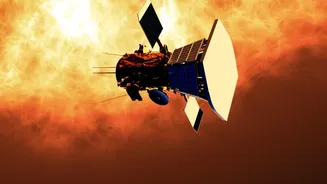
The results are already transformative. One such AI, named 'Surya', has been trained on years of observations from NASA's Solar Dynamics Observatory. Its purpose is to analyse the Sun's behaviour, helping scientists better understand solar flares and predict space weather that could threaten satellites and power grids on Earth. Another key area is the hunt for exoplanets. AI tools with names like 'ExoMiner' and 'RAVEN' are poring over data from the Kepler and TESS space telescopes. These algorithms are experts at detecting the faint dip in a star's light that indicates a planet passing in front of it. ExoMiner has successfully identified hundreds of new planets that were previously missed, while RAVEN recently validated over 100 more, including 31 brand-new discoveries. These AI planet hunters are not just faster; they can spot patterns that human eyes might overlook, revealing rare and extreme worlds.
A New National Mission for Discovery
The ambition is only growing. In July 2026, NASA officially joined the Genesis Mission, a national initiative to apply AI to the country's most significant scientific challenges. A major goal of this mission is to unleash AI across NASA's 150-petabyte archive. The program aims to create powerful AI tools that can connect data from different missions and fields of study, slashing analysis times from years down to mere days. This could unlock new insights into everything from Earth’s climate, using models like the 'Prithvi' geospatial AI, to the geology of the Moon, where a new foundation model is currently in development. It's about turning NASA’s historical archives into active engines of discovery.
Smarter Spacecraft for a New Era of Exploration
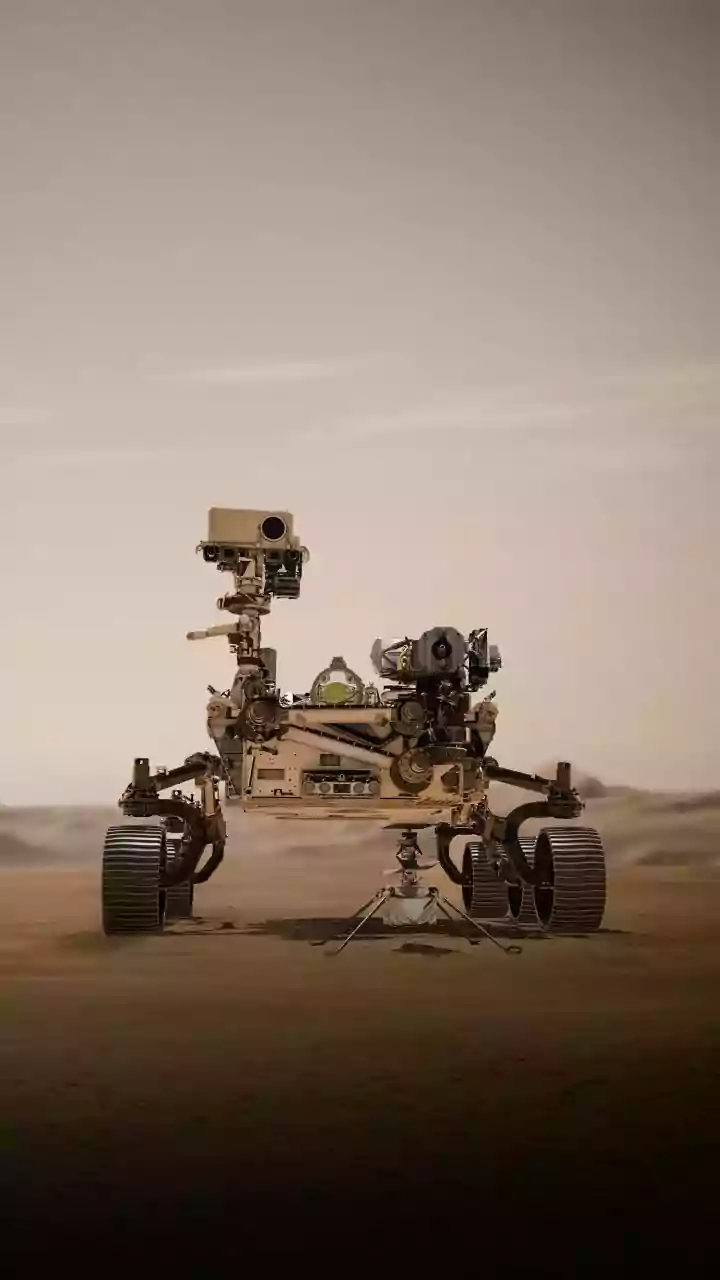
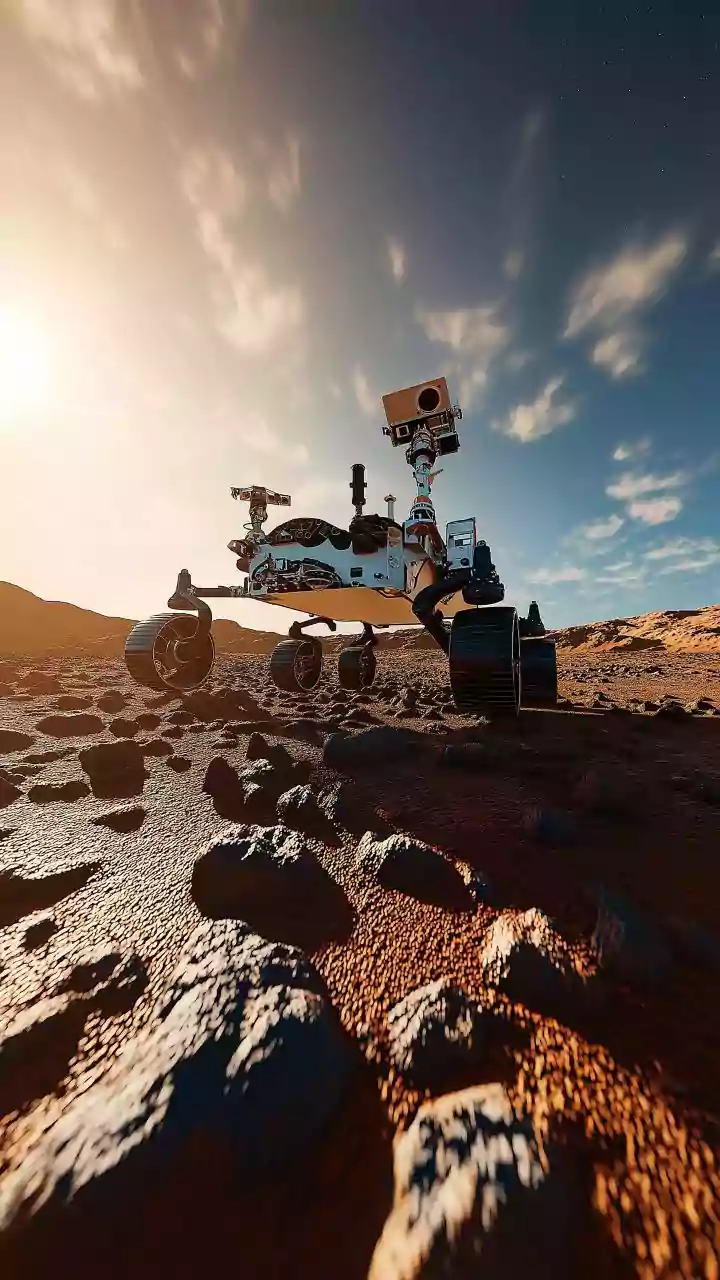
Beyond analysing old data, AI is also being built directly into the next generation of spacecraft. The Mars Perseverance rover, for instance, already uses AI to navigate the Martian surface, with nearly 90% of its driving performed autonomously. Looking ahead, NASA is developing new radiation-hardened computer chips specifically designed to run advanced AI models in the harsh environment of deep space. This will allow future probes and rovers to make decisions independently, millions of miles from home. From identifying rock samples on Mars to autonomously troubleshooting system errors, AI is becoming an indispensable crew member on humanity’s most ambitious journeys.