

1. The Right Footwear
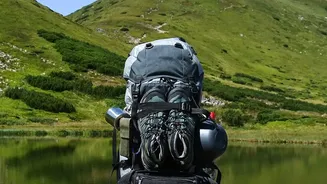
This is the most critical decision you will make. Monsoon trails are notoriously slippery, muddy, and uneven, especially on the basalt rock common in the Western Ghats. Your standard sneakers or casual shoes are dangerous and should be avoided. Invest
in a pair of proper trekking shoes with deep grooves and an aggressive rubber outsole for maximum grip. Ankle support is crucial to prevent twists and sprains on tricky terrain. Also, remember to pair your shoes with synthetic or wool-blend socks. Cotton socks absorb moisture, take forever to dry, and are a primary cause of painful blisters.
2. Reliable Rain Protection
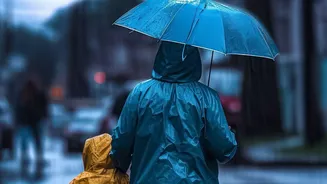
Staying dry is not just about comfort; it's about safety. Getting soaked can lead to a drop in body temperature. You have two main options: a poncho or a waterproof jacket-and-pants set. A poncho is a great, affordable option for occasional trekkers as it can be thrown on quickly over both you and your backpack. A dedicated rain jacket and trousers offer better freedom of movement but are a bigger investment. Whichever you choose, ensure it is properly waterproof, not just water-resistant, to withstand continuous rain.
3. Quick-Dry Clothing
During a monsoon trek, you should assume you will get wet at some point. The key is to wear clothing that dries quickly. Cotton is your worst enemy; it soaks up water, becomes heavy, and can make you cold. Instead, opt for synthetic fabrics like polyester or nylon for your t-shirts and trekking pants. These materials wick moisture away from your skin and dry out much faster, keeping you comfortable. It’s wise to pack at least one extra set of quick-dry clothes to change into at your campsite or after the trek.
4. Waterproof Backpack System
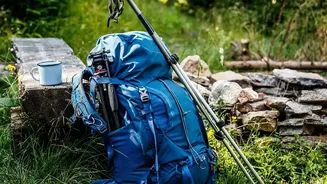
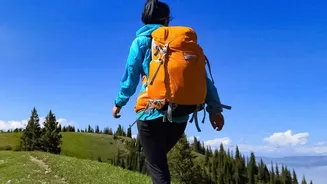
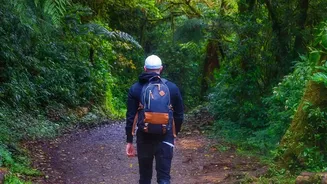
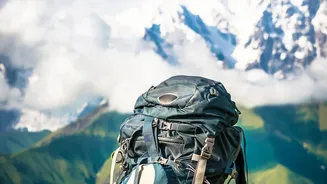
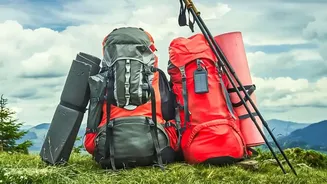
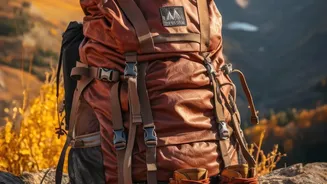
Your backpack contains your most important items: extra layers, electronics, and food. Keeping them dry is essential. Most trekking backpacks come with a built-in rain cover, usually tucked into a pocket at the bottom. This is your first line of defence. However, during prolonged, heavy downpours, moisture can still seep through the back panel. For total protection, use a two-layer system. Use the external rain cover, and also line the inside of your rucksack with dry bags or even sturdy plastic bags to compartmentalise and protect your gear. This ensures your warm layers and electronics remain completely dry, no matter the weather.
5. A Basic Safety & Navigation Kit
While not a single item, a small kit with safety essentials is vital. This should include a basic first-aid kit with antiseptic wipes, bandages, pain relief medication, and any personal medicines. Insect repellent is also a must-have in the damp conditions of the monsoon. Visibility can drop quickly in the mountains, especially in the late afternoon, so a headlamp or a torch with extra batteries is crucial. Finally, pack a few high-energy snacks like nuts, energy bars, or dried fruit to keep you going between meals. These small items can make a huge difference in your safety and comfort on the trail.