





The Allure of Monsoon Travel
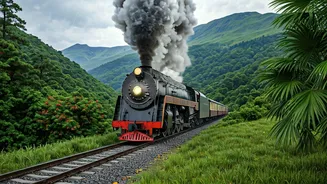
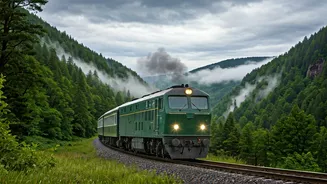
There’s a certain magic to travelling by train during the Indian monsoon. As the carriages snake through the countryside, the landscape transforms into a vibrant canvas of lush greens and dramatic grey skies. For a dedicated group of travellers known
as ‘rain chasers,’ this is the best time of year to explore. They seek out routes famous for their seasonal beauty, like the Konkan Railway winding along the coast or the toy trains climbing through mist-covered hills. The goal isn’t just the destination; it’s the journey itself. It’s about sipping hot chai while watching the world get washed clean, the rhythmic clatter of the wheels a soothing soundtrack to the downpour outside. This isn’t tourism in the conventional sense; it's an immersive experience, a pilgrimage for those who find beauty and peace in the rain. But this idyllic picture hides a significant obstacle: the Herculean task of actually getting a seat on the train.
Navigating the Booking Gauntlet
Anyone who has tried booking a train ticket in India, especially on a popular route, knows the frustration. The Indian Railway Catering and Tourism Corporation (IRCTC) website, while functional, is the gateway to a fiercely competitive booking environment. Tickets for popular trains are often sold out within minutes of release. The ‘Tatkal’ system, designed for last-minute travel, is a high-speed battleground where seconds matter, and human users are often outpaced by automated bots. For most, the result is a ticket on the dreaded Wait List (WL) or, if they are lucky, a Reservation Against Cancellation (RAC), which means sharing a berth. For rain chasers wanting to travel during a peak season for scenic routes, this system presents a formidable barrier. Their desired journeys are not last-minute emergencies but planned romantic excursions, yet they are forced to compete in a system that feels stacked against them. This systemic friction is precisely what has given rise to an ingenious workaround.
A Modern-Day Digital Jugaad
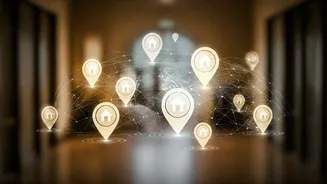
Enter the public transit groups. These are not official forums but informal, community-run networks on platforms like WhatsApp, Telegram, and Facebook. Here, a modern form of 'jugaad'—a uniquely Indian concept of a clever, frugal innovation—is thriving. These groups have become the central nervous system for a community of travellers looking to outsmart the booking system. The premise is simple: they are collaborative spaces where information is the most valuable currency. Members aren't just passive travellers; they are active participants in a collective effort to help each other secure confirmed berths. The groups are often route-specific or train-specific, creating tight-knit communities of people with a shared goal. Trust is the foundation of this ecosystem. Strangers come together, united by their love for train travel and their shared frustration with its logistics, to create a system that works for them.
How the System Works
The mechanics of these groups are surprisingly sophisticated. The most common method involves coordinated cancellations. A member with a confirmed ticket who can no longer travel doesn't just cancel it randomly. Instead, they post the ticket details (PNR number, train, and date) in the group, announcing the approximate time they will cancel it. Another member who needs that exact berth then stays on high alert. At the designated moment, the first person cancels, releasing the berth back into the system. The second person, poised on the IRCTC app or website, immediately searches for and books the newly available seat. It’s a digital relay race that requires timing, coordination, and a bit of luck. Another function of these groups is information sharing. Members post alerts when Tatkal quotas open, share screenshots of seat availability charts just before departure, and offer advice on which trains have the highest probability of confirmation from a waitlist. It’s a crowdsourced intelligence network for navigating the complexities of Indian Railways.
More Than Just a Booking Hack
While the primary function is transactional, these groups have evolved into something much more. They are vibrant communities for rain chasers and railway enthusiasts. Beyond the PNR numbers and cancellation alerts, the feeds are filled with stunning photos of fog-enveloped bridges, videos of trains cutting through sheets of rain, and recommendations for the most scenic stretches of track. Members share travelogues, suggest offbeat stations to visit, and even debate the quality of the pantry car’s masala chai. This social layer transforms the groups from a mere utility into a destination in themselves. They are a testament to the power of community in the digital age, where a shared passion can foster genuine connection and collaborative problem-solving. In these spaces, the journey truly does begin long before the train leaves the station.