
From Field to Forgotten
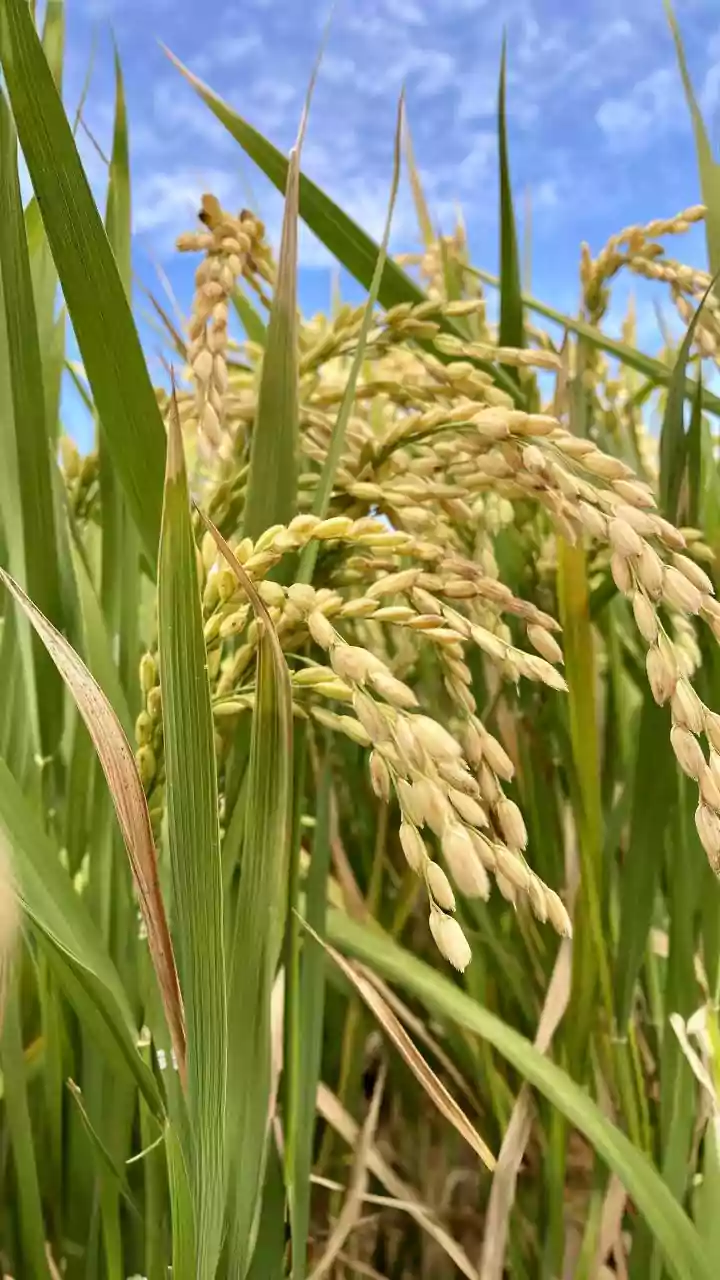
India was once home to over 100,000 unique rice varieties, each adapted to its local ecosystem. From the flood-resistant Pokkali of Kerala to the fragrant Tilak Chandan of Uttar Pradesh, these grains were the backbone of regional cuisines and cultures.
However, the Green Revolution in the mid-20th century, while crucial for food security, shifted focus to a narrow range of high-yield hybrid crops. As a result, thousands of indigenous varieties, unable to compete with the productivity of modern grains, vanished from fields and markets, taking with them unique flavours, textures, and age-old farming wisdom. This push towards monoculture led to a staggering loss of agricultural biodiversity, with some estimates suggesting that only 6,000 of these varieties survived.
The Health-Conscious Revival
Today, a growing interest in health and wellness is driving the comeback of these heirloom rices. Unlike their polished counterparts, traditional varieties often retain their bran layer, making them nutritional powerhouses. Many are rich in fibre, essential minerals like iron and zinc, and antioxidants. Pigmented varieties like black and red rice contain anthocyanins, compounds known for their anti-inflammatory properties. For a new generation of health-conscious consumers, the appeal is clear. Rices like Kala Namak have a low glycemic index, making them suitable for diabetics, while Kerala's Navara rice is prized in Ayurveda for its restorative and digestive benefits. This turn towards functional foods has created a new market for grains once dismissed as old-fashioned.
Spotlight on Returning Grains
Several standout varieties are leading this resurgence. Gobindobhog, a short-grain, aromatic rice from West Bengal, received a Geographical Indication (GI) tag in 2017. Its buttery flavour makes it a favourite for dishes like payesh and khichuri. Then there is Kala Namak, the 'Buddha Rice' from Uttar Pradesh, cultivated since at least 600 BC. Known for its black husk and distinct nutty aroma, it is rich in protein, iron, and zinc. Meanwhile, Navara, a medicinal red rice from Kerala, is celebrated for its role in Ayurvedic treatments and its use in strengthening diets for children and those recovering from illness. These are just a few examples of the diversity returning to Indian kitchens.
Guardians of the Grain
This revival is not happening by accident. It is the result of tireless work by a network of farmers, conservationists, entrepreneurs, and chefs. Seed savers and farmer collectives across the country are preserving and re-cultivating these ancestral grains. Padma Shri awardee Sathyanarayana Beleri, for instance, has conserved over 650 traditional paddy varieties. Simultaneously, a new wave of entrepreneurs is building direct-to-consumer brands and farm-to-home platforms, connecting farmers directly with urban consumers eager for authentic, sustainably grown produce. By creating a premium market for these grains, they are making it economically viable for farmers to cultivate them, ensuring their survival for generations to come.
A Sustainable and Flavourful Future
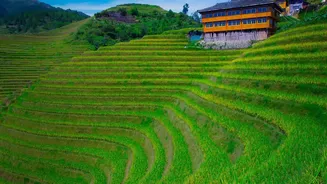
The return of traditional rice is more than just a culinary trend; it represents a move towards a more sustainable and resilient food system. Many indigenous varieties are naturally resistant to pests and can withstand harsh climatic conditions like floods and droughts, reducing the need for chemical inputs. Cultivating these diverse strains strengthens local ecosystems and helps preserve India’s shrinking agricultural biodiversity. As these grains reappear on restaurant menus and in home kitchens, they offer not just complex flavours and superior nutrition, but a taste of India's rich agricultural heritage.