

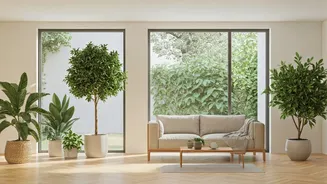


The Rise of Biophilic Design
At its core, biophilic design is about connecting people with nature in their built environments. The term 'biophilia' literally means 'love of life or living systems'. In a world of concrete jungles and digital screens, our innate desire to connect with nature has
become stronger than ever. This trend accelerated during the pandemic, when our homes became our entire world, prompting a collective need to make our spaces more calming, restorative, and alive. The philosophy suggests that incorporating natural elements, materials, and patterns into our homes can reduce stress, improve cognitive function, and enhance overall well-being. It’s a shift from viewing our homes as mere shelters to seeing them as ecosystems for healthier living.
1. Go Green with Houseplants
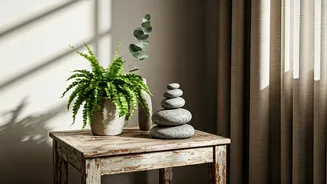
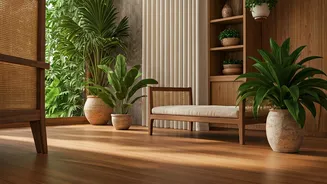
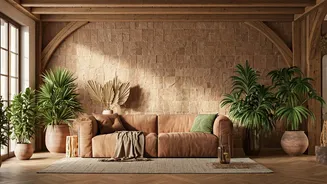
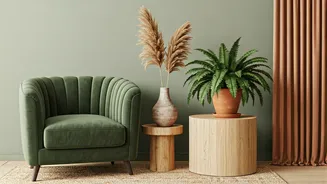
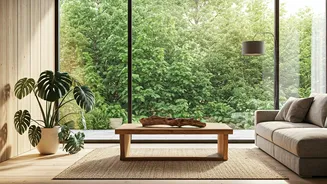
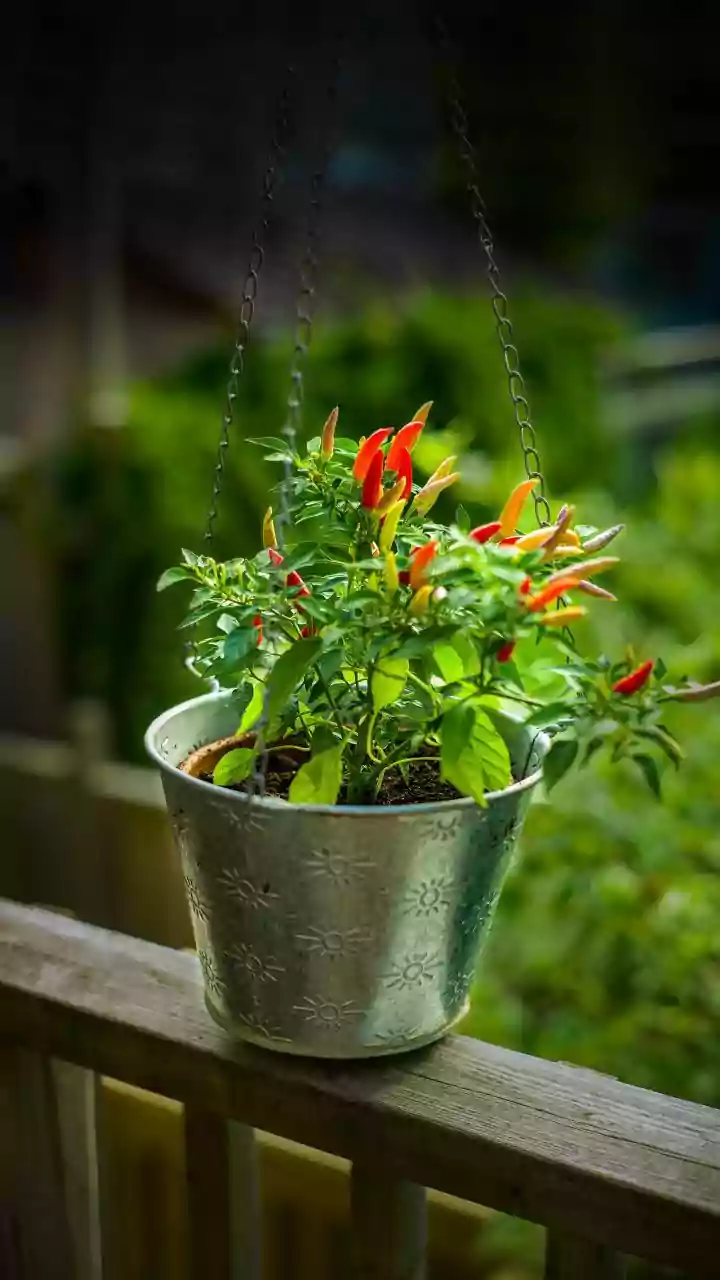
The most direct way to invite nature inside is with living plants. They are dynamic decor that purifies the air, adds vibrant colour, and introduces a living element into static spaces. For Indian homes, consider a mix of low-maintenance and statement plants. Snake plants, ZZ plants, and pothos (money plants) are famously hardy and thrive in varied light conditions. For a bolder look, a fiddle-leaf fig or a monstera deliciosa can become a stunning focal point in a living room. Group smaller plants like succulents and aloe vera on windowsills or shelves to create a 'plant cluster'. Don't forget flowering plants like peace lilies or jasmine (mogra) for a touch of fragrance and beauty.
2. Incorporate Natural Materials
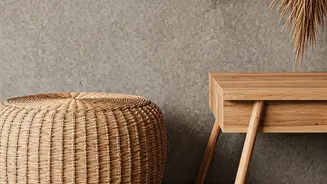
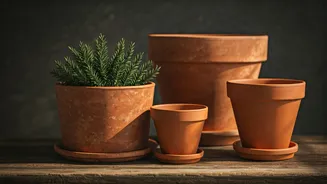
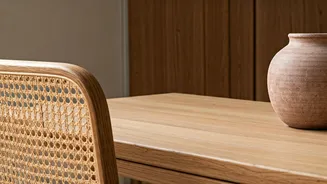
Move beyond plastic and synthetics by embracing the texture and warmth of natural materials. This creates a tactile connection to the outdoors. Think furniture made from woods like teak, sheesham, or mango wood, which are durable and widely available in India. Introduce jute or coir rugs, rattan chairs, and bamboo blinds. In textiles, opt for breathable fabrics like linen, cotton, and khadi for curtains, cushion covers, and throws. These materials not only look earthy and sophisticated but also add layers of texture that make a room feel more grounded and inviting. Even small touches, like a stone sculpture, terracotta pots, or a water feature (urli), can make a significant impact.
3. Maximise Natural Light
Light is a crucial, and free, element of nature. A well-lit space feels larger, cleaner, and more energetic. Arrange your furniture to avoid blocking windows. If privacy is a concern, ditch heavy, dark curtains for sheer linen or cotton drapes that allow light to filter through while maintaining privacy. Mirrors are a designer's best friend for amplifying light; place a large mirror opposite a window to bounce light deeper into the room. Keeping your windows clean and clear of clutter can also make a surprising difference in how bright and airy your home feels throughout the day.
4. Use an Earthy Colour Palette
The colours of nature are inherently soothing. Build your home’s palette around earthy tones to create a serene and cohesive environment. Think shades of green (from soft sage to deep forest green), blues that mimic the sky and water, and warm neutrals like beige, terracotta, ochre, and brown. These colours work beautifully as wall paints, but can also be introduced through upholstery, artwork, and accessories. They provide a perfect, calming backdrop for the vibrant greens of your plants and the rich textures of your natural materials, tying the entire biophilic theme together seamlessly.