







Beyond Convenience
For many, travelling light is simply about avoiding checked bag fees and the hassle of lugging a heavy case. These are certainly valid perks, offering more freedom and flexibility on your journey. You can navigate public transport with ease, avoid long
waits at the baggage carousel, and be more spontaneous with your plans. But the true power of minimalist packing extends far beyond personal convenience. It represents a conscious decision to travel more mindfully, directly addressing three major issues tied to modern tourism: the environmental load of transport, the generation of waste, and the cycle of impulse buying on the road. By rethinking what you put in your bag, you can make a tangible difference.
Lightening the Load on the Planet
Every kilogram in your suitcase has a hidden cost. Heavier aircraft require more fuel to take off, climb, and maintain altitude. This increased fuel consumption directly translates to higher carbon dioxide emissions, a major contributor to climate change. While one person's lighter bag may seem insignificant, the cumulative effect of millions of travellers making the same choice can be substantial. Airlines are meticulous about weight because it directly impacts their operational costs and safety margins. By choosing to pack only the essentials, you are contributing to a small but meaningful reduction in your journey's carbon footprint, aligning your travel habits with a more eco-conscious mindset.
Reducing 'Just in Case' Waste
Overpacking is often driven by the 'just in case' mentality, leading us to fill our bags with items we never use. This not only adds weight but also contributes to a culture of disposability. Think of the half-used travel-sized plastic toiletries that are discarded after a trip or the cheap items bought on location to solve a problem that could have been avoided. Tourism puts immense pressure on local waste management systems, with travellers in some areas producing up to twice as much waste as residents. Packing light forces you to be more intentional. Opting for solid, multi-purpose toiletries—like shampoo bars that also work for shaving—eliminates plastic bottles. Packing a reusable water bottle and a lightweight tote bag for shopping further cuts down on single-use plastics. This minimalist approach isn't about doing without; it's about choosing versatile, long-lasting items and reducing your contribution to landfill.
Curbing Compulsive Purchases
An overstuffed suitcase can, paradoxically, lead to more shopping, not less. When you haven't packed thoughtfully, you might find yourself needing to buy a warmer layer, a different pair of shoes, or an accessory to make an outfit work. These are often rushed, destination-specific purchases that don't integrate into your wardrobe back home. Packing light encourages the opposite. By curating a small, versatile 'capsule wardrobe' where every item works with the others, you are less likely to feel the need to shop. You have what you need, and you trust it. This saves you money and prevents the acquisition of fast-fashion souvenirs that often end up unworn. The mindset shifts from 'I might need this' to 'I have what I need'. This financial saving is a direct benefit of mindful packing, freeing up your holiday budget for experiences rather than things.
How to Master Minimalist Packing
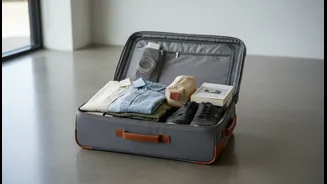
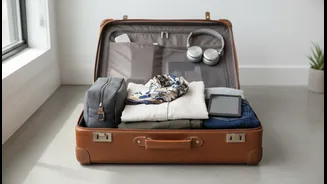
Transitioning to lighter packing is a skill developed over time. Start by choosing a smaller bag, as this naturally limits how much you can take. Focus on building a capsule wardrobe around a neutral colour palette, allowing for easy mixing and matching. Select versatile, multi-purpose items: a scarf can be a blanket on a cold plane, and a dressy top can elevate a pair of simple trousers. Use packing cubes to stay organised and compress clothing. When it comes to toiletries, switch to solid bars for shampoo, conditioner, and soap to save space and avoid liquid restrictions. Finally, lay everything out before you pack and then challenge yourself to remove a few items. Remember, unless you're heading somewhere extremely remote, you can almost always buy an essential item if you find you truly need it.