







From Data Point to Daily Reality
The single biggest reason for the environment's growing relevance is that its impacts are no longer abstract or distant. The findings of the State of India's Environment 2026 report, released by the Centre for Science and Environment (CSE), underscore
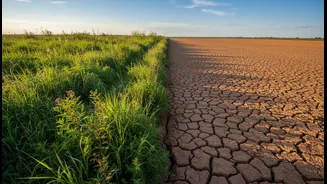
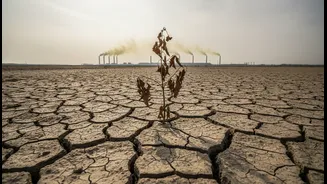
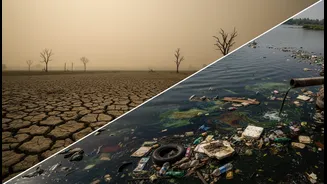
a stark reality: extreme weather is now the norm, not the exception. In 2025, India recorded extreme weather events on 99% of its days, from scorching heatwaves to devastating floods. This isn't just data; it's the lived experience of millions. A survey in early 2025 found that 71% of Indians personally experienced a severe heatwave in the past year. When farmers lose crops to unseasonal rain, when cities face water shortages, and when heatwaves make daily life unbearable, the environment ceases to be a theoretical problem. It becomes a personal, tangible crisis affecting homes, health, and livelihoods nationwide.
The Undeniable Economic Cost
The conversation has also shifted because the economic toll of environmental degradation is becoming too large to ignore. Economists are increasingly vocal that pollution and climate events pose a greater threat to India's economy than trade tariffs. Poor air quality alone leads to staggering losses in productivity, with one report estimating the cost from premature deaths and illness at 1.36% of India's GDP. Another analysis suggested that health losses from polluted air cost about 2% of GDP annually. The agricultural sector is particularly vulnerable. In 2025, extreme weather affected over 17 million hectares of crops, a massive blow to food security and rural incomes. This economic pressure, from lost labour hours due to heat exposure to the immense cost of rebuilding after floods, forces the issue into mainstream financial and political discussions.
A Public Health Emergency in Plain Sight
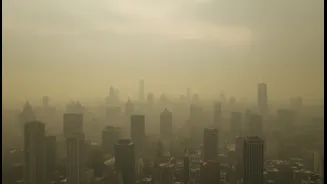
The environment's story is now inseparable from public health. Doctors have begun describing air pollution as India's biggest health crisis since the COVID-19 pandemic. Particulate matter like PM2.5, which comes from vehicle emissions, industry, and crop burning, is linked to a rise in lung cancer, heart disease, and strokes. Shockingly, 85% of India's population lives outside measurable air quality monitoring zones, meaning the true extent of the crisis is likely underestimated. Beyond the air, extreme heat is linked to increased risks of cardiovascular death, while also impacting maternal and neonatal health. This 'invisible epidemic' is making itself known through overwhelmed healthcare systems and rising cases of respiratory and cardiovascular diseases, forcing citizens and policymakers to connect the dots between a polluted environment and their family's well-being.
A New Political and Social Awakening
For a long time, environmental issues struggled to gain political traction, often depoliticised into welfare schemes after disasters. However, this is beginning to change. While environmental concerns remain on the periphery of fiscal planning, the sheer scale of the crisis is forcing them into the debate. Public outcry over issues like mining in the Aravalli Hills and judicial activism from bodies like the Supreme Court are creating pressure for accountability. There is a growing understanding that weak implementation of environmental laws and poor coordination between agencies are major hurdles. Furthermore, the narrative is being driven by a younger, more digitally-connected generation that is adept at amplifying messages and demanding action. As extreme events become more frequent and their costs more visible, the political calculus is slowly shifting from reactive relief to proactive policy demands.