






The Philosophy of Fusion
The idea of pairing a weathered, possibly ornate, vintage chest with a minimal, Zen-inspired aesthetic might seem contradictory. Yet, it’s this very contrast that creates a powerful design statement. This approach is rooted in the Japanese philosophy
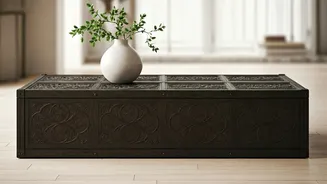
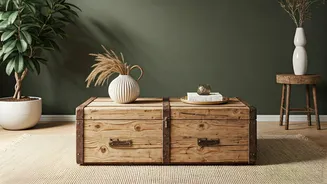
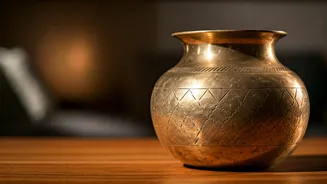
of wabi-sabi, which finds beauty in imperfection and impermanence. By taking a piece that has lived a full life and giving it a new, simplified identity, you are not erasing its history. Instead, you are celebrating its character—its 'perfect imperfections'—within a clean, contemporary context. The ornate carvings of a traditional Indian sandook or the solid build of a colonial-era trunk become a focal point of texture and history in an otherwise uncluttered space, creating a sense of balance, calm, and profound style.
Finding the Perfect Piece
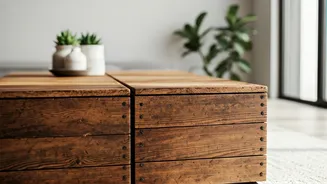
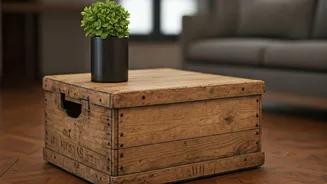
The hunt is part of the fun. Look for a chest with 'good bones'—a solid wood structure that isn't warped or severely damaged. Surface-level issues like peeling varnish, scratches, and dings are not just acceptable; they are desirable, as they add to the story. Pay attention to the silhouette and details. Do you like the intricate carvings, the metal strapping, or the simple, clean lines? The size is also crucial. Consider where it will live. Will it be a low-slung accent table in the living room, a console in the entryway, or a storage solution at the foot of your bed? Local flea markets, antique shops, and even your own family storage are treasure troves. Look for a piece whose shape speaks to you, even if its current finish doesn't.
Preparation is Key
This is the most labour-intensive but arguably most important stage. A flawless finish depends on a well-prepped surface. First, give the chest a thorough cleaning with a mild soap and water solution to remove decades of dust and grime. Once completely dry, assess the surface. If there's thick, peeling varnish, you may need a chemical stripper or a heat gun. For most pieces, however, a good sanding will suffice. Start with a medium-grit sandpaper (around 120-grit) to remove the old finish and smooth out minor imperfections, then move to a fine-grit sandpaper (220-grit) to create a silky-smooth surface ready for paint. Fill any unwanted deep gouges with wood filler. Always wear a mask and work in a well-ventilated area. This patient, mindful work is the foundation of your transformation.
The Minimalist Makeover
The goal here is to create a clean, uniform canvas that allows the chest's form and history to shine through. The colour palette for a Zen aesthetic is typically neutral and grounding. Think matte black, deep charcoal grey, warm greige, or a soft, creamy white. A matte or chalk-finish paint is ideal as it absorbs light and provides a velvety, non-reflective surface that feels modern and sophisticated. Apply a good quality primer first, especially if the wood is prone to bleeding tannins (like teak or mahogany). Then, apply two to three thin coats of your chosen paint, allowing each coat to dry completely. For a truly professional look, use a high-quality brush or a small foam roller to minimise brushstrokes. The idea is to create a solid, monolithic block of colour that simplifies the chest's visual presence.
Choosing Modern Hardware
Hardware is the jewellery of furniture, and in this case, less is more. The original hardware on a vintage chest is often ornate and heavy. Replacing it is one of the quickest ways to modernise the piece. Look for sleek, simple pulls or knobs in a minimalist finish like matte black, brushed brass, or polished nickel. Simple bar pulls, small round knobs, or even leather pulls can provide a sharp, contemporary contrast to the chest's aged wood. Alternatively, consider a 'no hardware' look. If you can open the drawers or lid without pulls, you can fill the old holes with wood filler before painting for the ultimate minimalist statement. This choice further emphasizes the chest's silhouette, turning it into a sculptural object.
Styling for Serenity
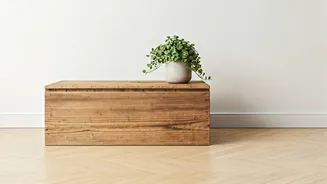
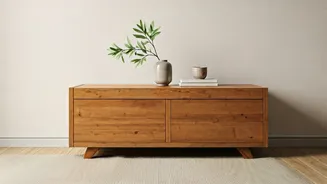
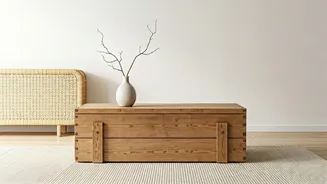
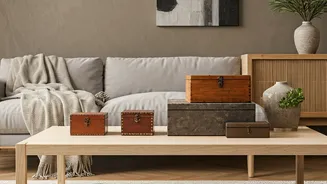
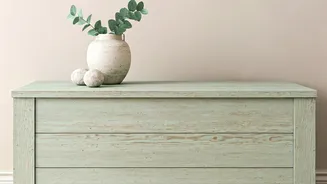
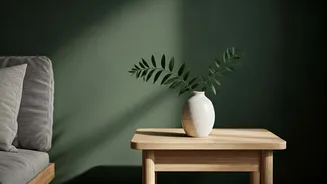
Once your transformed chest is in place, the final step is styling. Resist the urge to clutter its surface. The beauty of Zen minimalism is in negative space—the empty areas that allow the objects present to breathe and be appreciated. Place the chest against a neutral wall where its new, bold form can stand out. Top it with just one or two carefully chosen items. A simple ceramic vase with a single branch, a small stack of books with beautiful spines, or a single piece of sculptural art. This intentional curation ensures the chest remains the hero piece, a quiet, powerful anchor of calm and style in your room.