

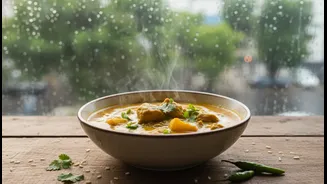



From Nostalgic Snack to Culinary Event
The simple, deep-fried snacks that once defined rainy-day indulgence are making way for something far more elaborate. Across India’s culinary landscape, chefs are transforming the monsoon menu from a predictable list of fried favourites into a sophisticated
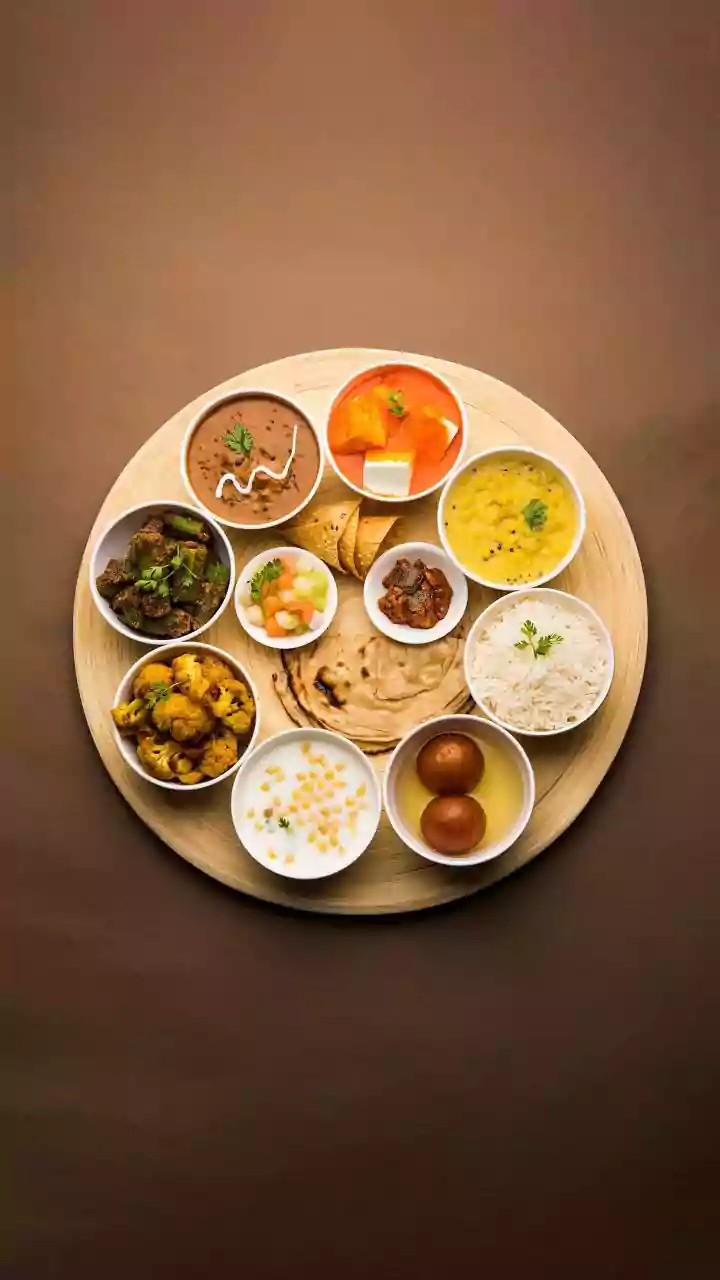
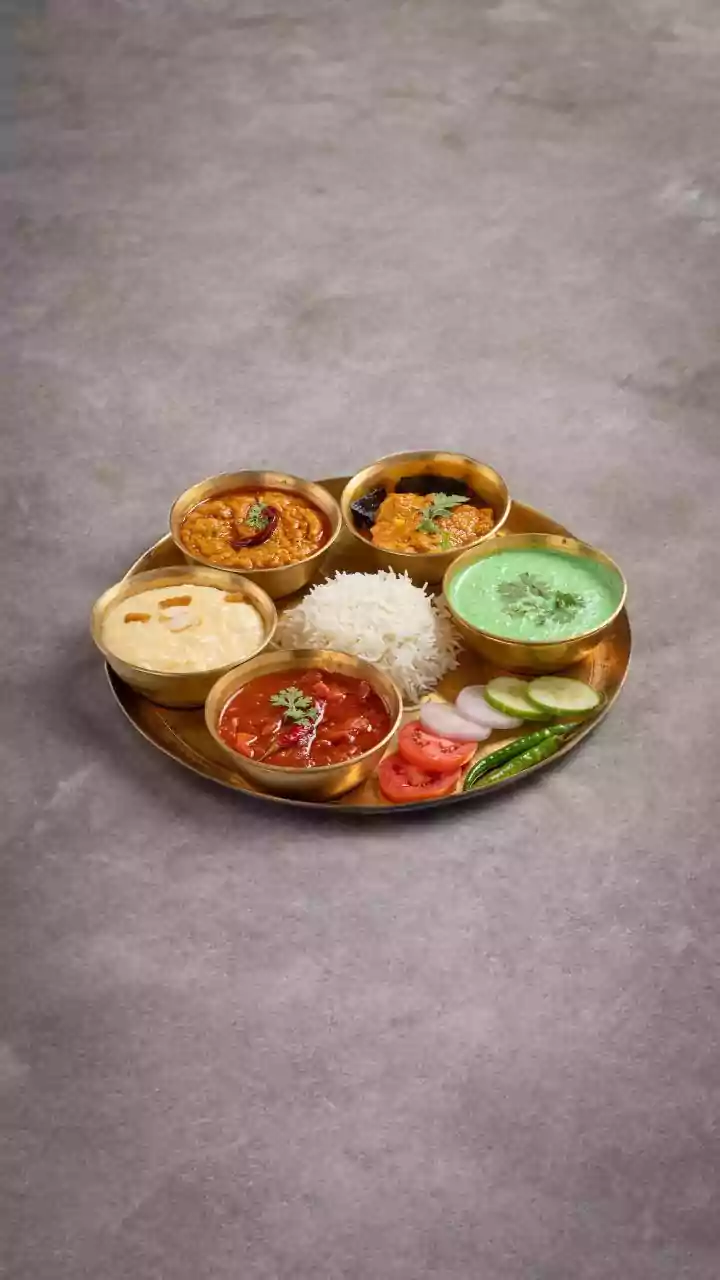
dining event. This season, restaurants in Mumbai, Delhi, and Bangalore are unveiling limited-edition menus that celebrate the rain with creativity and flair. While the love for a classic bhajiya basket or samosa remains, the offerings have expanded dramatically to include everything from Punjabi comfort food festivals to elaborate high-tea spreads featuring both local and global bites. This evolution reflects a growing demand from diners who seek experiences that capture the essence of the season but also offer something new and exciting.
Global Comforts with an Indian Twist
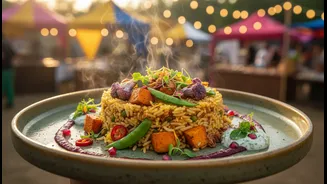
One of the most exciting developments is the fusion of global comfort foods with Indian sensibilities. In Mumbai, one restaurant is offering a Japanese Izakaya-inspired menu with dishes like Miso Lobster Lasagna, while another is serving Malaysian-style ramen. In Delhi, a French patisserie is hosting a French Toast Festival, and pan-India, a popular chain is running a Mexican-themed "Mela Mexicana" with everything from corn chivda chaat to Tinga Tostadas. These menus aren't just about importing foreign dishes; they're about reinterpreting them for the season. You'll find comforting Asian broths, steaming hot pots, and hearty sizzlers designed to provide warmth and satisfaction on a damp, grey day.
A Return to Seasonal Roots
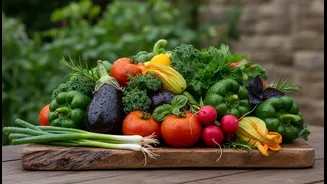
The new monsoon menu is also deeply rooted in Indian tradition and the principle of eating seasonally. Chefs are looking beyond common vegetables and embracing hyper-seasonal produce that appears only during the rains. This includes a variety of foraged greens, colocasia leaves used in dishes like Gujarat’s patra, and even jackfruit seeds, which are being used to create innovative dishes like smoked hummus. This trend aligns with ancient Ayurvedic wisdom, which suggests that the monsoon weakens digestion, making it the ideal time for lighter, warmer, and more easily digestible meals. As a result, menus are rich with immunity-boosting spices like ginger, turmeric, and black pepper, often featured in warming soups and rasams.
Healthier Indulgence Takes Centre Stage
While the craving for something crispy and indulgent persists, chefs are finding healthier ways to deliver that satisfaction. The deep-fryer is no longer the only tool in the monsoon kitchen. Restaurants are championing non-fried snacks and using techniques like air-frying, baking, and grilling to create crunchy treats without the heaviness of excess oil. You might find grilled corn on the cob with a zesty chilli-lime dressing, baked whole-wheat mathri, or air-fried lotus stem chips. Even traditional recipes are getting a lighter touch. This shift towards mindful indulgence allows diners to enjoy the comforting flavours of the season without feeling weighed down, proving that monsoon treats can be both delicious and nourishing.
More Than a Meal, It’s an Experience
Ultimately, the evolution of the monsoon menu is about creating a complete sensory experience. It's not just what you eat, but how you eat it. Restaurants are curating entire monsoon atmospheres, from cosy high-teas designed for leisurely afternoons to street food festivals that bring the flavours of India's railways to a comfortable dining room. Some cafes even incorporate nostalgic activities, like providing paper for guests to fold into boats, tapping into cherished childhood memories of the rain. This focus on storytelling and atmosphere elevates a simple meal into a memorable event, giving food lovers even better reasons to step out and chase the flavours of the monsoon.