





Embrace Warm, Light Soups
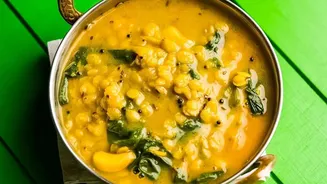
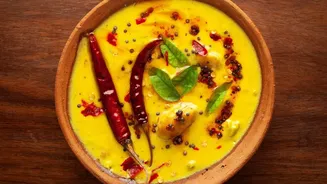
The rainy season, or 'Varsha Ritu' in Ayurveda, is a time when our digestive fire ('agni') is considered to be at its weakest. Heavy, oily foods can feel difficult to process, leading to bloating and sluggishness. The perfect antidote is a bowl of warm,
light soup. Think of a peppery rasam, a simple moong dal soup, or a mixed vegetable broth. These preparations are not only comforting on a cool, damp day but are also easy to digest, providing hydration and nourishment without taxing your system. Spices like black pepper, cumin, and ginger, often used in these soups, further aid digestion and help keep seasonal colds at bay.
The Magic of Turmeric and Ginger
Indian kitchens have long relied on the powerhouse duo of turmeric and ginger, especially during the monsoon. Turmeric, with its active compound curcumin, is celebrated for its anti-inflammatory and antioxidant properties. Ginger is a traditional remedy for sore throats, nausea, and digestive discomfort. Starting your day with a simple ginger tea or ending it with a warm glass of 'haldi doodh' (turmeric milk) are easy ways to incorporate these spices. Adding freshly grated ginger and a pinch of turmeric to your dals and vegetable preparations not only enhances flavour but also helps your body build a stronger defense against common monsoon infections.
Choose Your Vegetables Wisely
While vegetables are essential, the monsoon calls for careful selection. According to both Ayurvedic wisdom and modern food safety guidelines, it's best to favour gourds like 'lauki' (bottle gourd), 'turai' (ridge gourd), and 'karela' (bitter gourd). These vegetables are light, easy to digest, and grow above ground, reducing their risk of contamination from waterlogged soil. Pumpkin ('kaddu') is another excellent choice, as it's rich in beta-carotene, which the body converts to Vitamin A, a nutrient crucial for immune support. It's generally advised to limit raw salads and be cautious with leafy greens, as they can harbour microbes in the damp weather. If you do eat leafy greens, ensure they are thoroughly washed and well-cooked.
The Comfort of Khichdi
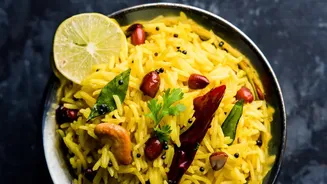
There is a reason why khichdi is considered a go-to meal when someone is feeling under the weather. This one-pot dish of rice and moong dal is the epitome of a balanced and easily digestible meal, making it perfect for the rainy season. It provides a good combination of carbohydrates and plant-based protein without being heavy on the stomach. A classic khichdi, tempered with cumin, ginger, and a dollop of ghee, is not just food; it’s a wholesome therapy that soothes the gut and provides immense comfort on a rainy evening.
Seasonal Fruits for an Immunity Boost
Monsoon brings its own bounty of fruits that are perfect for the season. Jamun (Java plum), with its deep purple hue, is packed with antioxidants and Vitamin C. Pomegranates, pears, and papayas are also excellent choices as they are easy on the stomach and provide essential nutrients. Amla (Indian gooseberry), one of the richest natural sources of Vitamin C, is another seasonal star that can be consumed fresh, as a powder, or in a chutney to bolster your immune system. It's best to eat whole fruits rather than pre-cut platters or street-side juices to avoid contamination.
Snack Smart: The Classics Reimagined
The craving for fried pakoras and samosas is almost synonymous with rain. While these snacks are a beloved part of the monsoon experience, they can be heavy and hard to digest if consumed frequently. A smarter way to indulge is to enjoy them in moderation or opt for healthier, homemade versions. Consider roasted corn on the cob ('bhutta'), a classic monsoon snack that is both light and delicious. Other healthy options include roasted makhana (fox nuts), steamed snacks like patra or idli, and chaats made with sprouted moong dal. These provide that satisfying crunch and flavour without the digestive distress.