




Why Your New Car Costs More in 2026
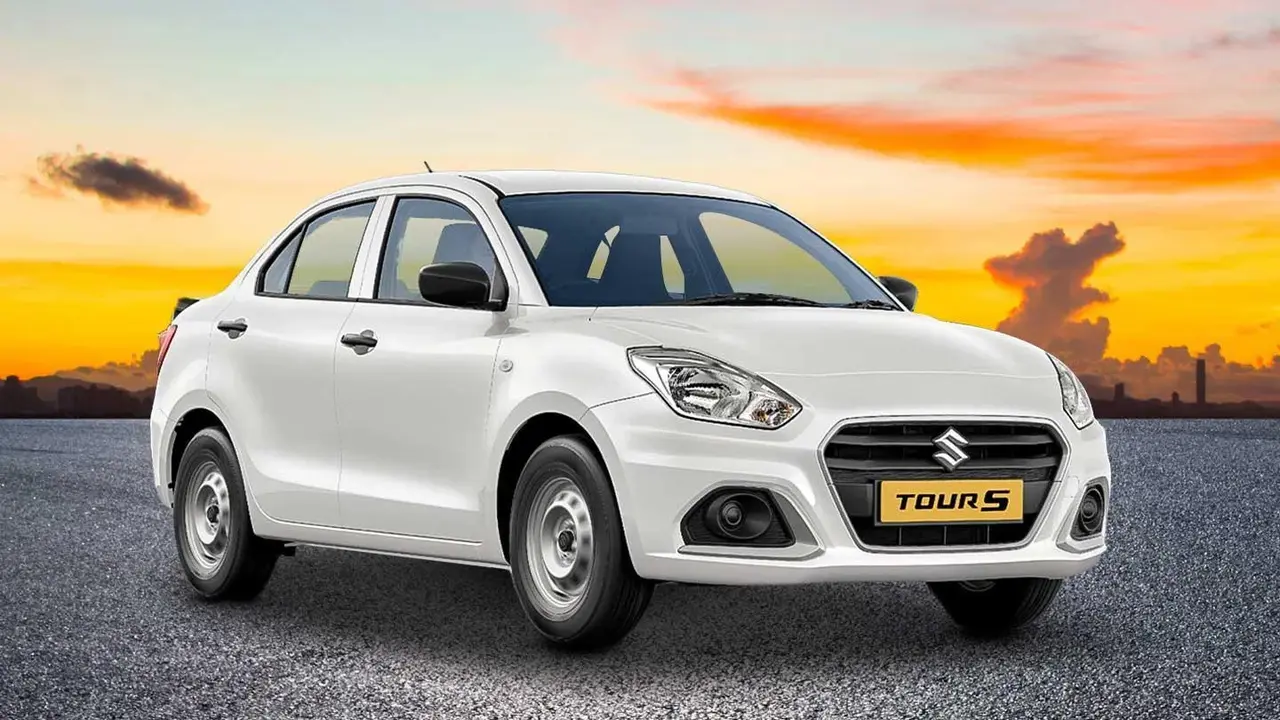
Several factors are converging to push car prices upwards, a trend that has been building and is now impacting the 2026 festive season. Major automakers like Tata Motors, Hyundai, and Maruti Suzuki have already announced price hikes leading into September.
The primary drivers include sustained inflationary pressures and the rising cost of raw materials and other inputs. For instance, the cost of EV batteries has seen a significant increase, impacting the price of electric models. Furthermore, upcoming emission regulations, like the anticipated BS7 norms expected around 2027, are forcing manufacturers to invest heavily in cleaner engine technology. These research and development costs are inevitably passed on to the consumer. This follows a pattern seen during the transition to BS6 norms, which also led to a notable price increase across the board. The era of the truly 'cheap' entry-level car is fading as safety features like six airbags and electronic stability control become standard expectations, further adding to the base cost of vehicles.
The Changing Face of Festive Discounts
While the festive season has always been synonymous with hefty discounts, buyers should temper their expectations for 2026. The deep cash-back offers of previous years may be less common. Instead, manufacturers and dealers are likely to shift towards other incentives. Expect to see more bundled offers, such as free accessories, extended warranty packages, or complimentary service plans. Exchange bonuses for trading in an old vehicle and special loyalty rewards for existing customers will also be prominent. Despite the price hikes, some discounts will still be available as automakers aim to capture the strong seasonal demand. However, the focus will be on value addition rather than straightforward price cuts. The market is competitive, with many new launches planned around the festive period, which will still force brands to attract customers. But the overall strategy is moving from large direct discounts to more subtle, package-based deals.
Smart Strategies for the Festive Buyer
Navigating the expensive 2026 market requires a shift in strategy. The first step is to recalibrate your budget and expectations. The car you can afford might be a segment lower than what you initially planned. Prioritizing needs over wants is crucial. Another powerful strategy is to explore the certified pre-owned (CPO) market. The used car market is booming, driven by affordability and greater trust thanks to organised players and digital platforms. A two-year-old certified SUV can offer significantly more value than a brand-new compact sedan for a similar price. If buying new is a must, be flexible with your choice of variant and colour, as dealers may offer better deals on specific, slower-moving stock. Booking in advance can also shield you from last-minute price increases that often occur just before the peak festive days.
Considering Alternatives: EVs and Hybrids
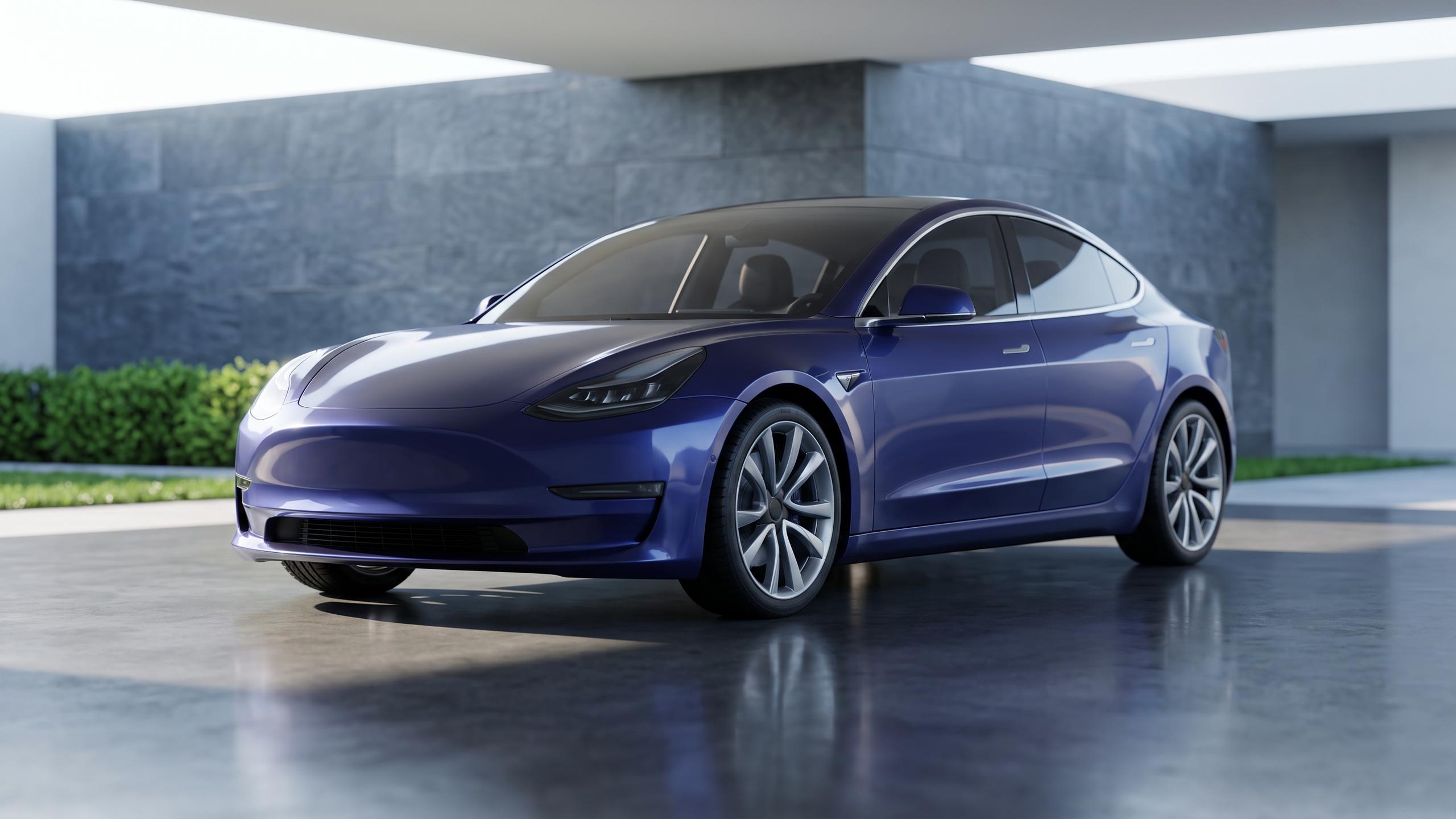
The higher cost of traditional petrol and diesel cars makes this an ideal time to evaluate electric vehicles (EVs) and hybrids. While their upfront cost can be higher, the total cost of ownership might be lower due to reduced running and maintenance expenses. The government's push for cleaner vehicles means there are often subsidies and tax benefits that can make the final price more competitive. Automakers are also offering significant discounts on their EV lineups to spur adoption. Hybrid vehicles offer a middle ground, providing better fuel efficiency than their petrol counterparts without the range anxiety associated with pure EVs. For urban buyers especially, whose daily commute is predictable, an EV could represent a smart long-term investment. As the industry moves towards stricter emission norms, hybrids and EVs are set to gain more momentum.