


A Forest Set Aglow
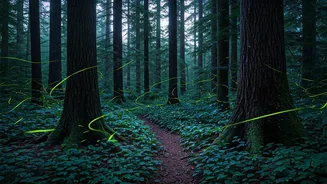
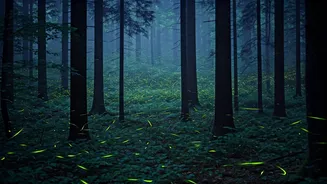
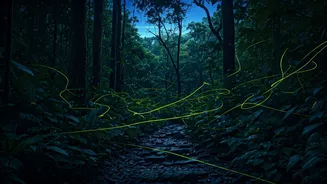
Imagine standing in near-total darkness, the air thick with the smell of damp earth and blooming flowers just before the annual monsoon. Suddenly, a single point of light winks into existence. Then another, and another. Within minutes, the entire forest
is an ocean of tiny, drifting lanterns. This isn't a fairy tale; it’s the annual firefly mating spectacle in the hills of Maharashtra, India. Every year, in the brief window between the peak of summer and the arrival of the rains in late May and early June, millions of fireflies synchronize their bioluminescent flashes, creating a breathtaking natural phenomenon that has become a pilgrimage for nature lovers, photographers, and a growing number of young, urban adventurers from cities like Mumbai and Pune.
The Science of the Spectacle
What looks like pure magic is actually a high-stakes biological drama. The dazzling light show is a complex mating ritual. The males fly around, flashing a specific pattern of light unique to their species. The stationary females, watching from leaves and branches, flash back in response if they are interested. It’s a silent, luminous conversation happening on a massive scale. The light itself is a marvel of efficiency, produced through a chemical reaction involving a compound called luciferin. This “cold light” generates almost no heat, making the firefly one of nature's most efficient light producers. The synchronized flashing, where vast numbers of fireflies pulse in unison, is a phenomenon scientists believe helps the insects stand out amid the visual chaos, making it easier for potential mates to find each other.
The Firefly Trail
This spectacle isn't just anywhere. It’s concentrated in specific pockets of the Sahyadri mountain range, part of the Western Ghats, a UNESCO World Heritage site known for its rich biodiversity. Villages like Purushwadi, known as India’s “Firefly Village,” have built entire community-based tourism models around the event. Other hotspots include Bhandardara, Rajmachi, and various remote trails that are free from the light pollution of the cities. For trekkers, the experience is a multi-sensory one. It involves hiking through rugged terrain, often at night, guided by the faint beams of headlamps until the forest opens up into a starfield of living light. The trails lead to campsites and village homestays where travelers can experience local culture alongside this natural wonder.
A New Generation of Explorers
The popularity of these firefly festivals speaks to a larger trend in India: the rise of domestic adventure tourism. A new generation of young Indians, fueled by social media and a desire for authentic experiences, is increasingly looking inward for their travel adventures. They are trading crowded city life for weekends spent exploring their country's natural heritage. Trekking groups and eco-tourism operators have flourished, offering organized trips that make these remote locations accessible. For many, the firefly trek is a perfect entry point—it’s not prohibitively difficult, but it offers an unparalleled sense of wonder and a powerful connection to the natural world. It’s a chance to capture an Instagram-worthy moment that is also a genuinely profound experience.
Treading Lightly in the Glow
With this surge in popularity comes a crucial responsibility. The delicate ecosystem that supports the fireflies is fragile. Conservationists and responsible tour operators are increasingly emphasizing the importance of ethical viewing. This means avoiding bright flashlights, which can disrupt the fireflies’ signaling; refraining from using flash photography; staying on marked trails to avoid trampling habitats; and, most importantly, not attempting to catch the insects. The fireflies’ life cycle is short and their annual display is essential for their survival. As more people flock to witness the magic, the challenge is to ensure that human presence doesn't extinguish the very light they came to see.