


Eyes on the Sky
The first step is to simply see it. While lucky eyewitnesses can report fireballs, the real work is done by dedicated networks of automated cameras. Organizations like NASA's All-sky Fireball Network and Australia's Desert Fireball Network (DFN) use dozens
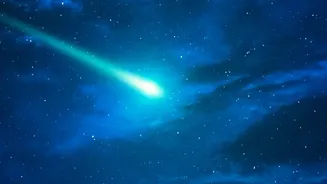
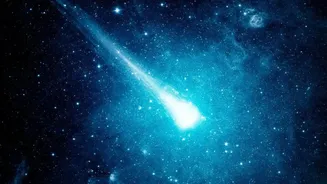
of cameras to constantly monitor the sky. These specialized cameras are positioned to have overlapping fields of view, which is crucial for the next step. When a bright meteor, known as a fireball, flashes across the sky, it is often captured by multiple stations simultaneously. This isn't just about getting a pretty picture; it's about collecting the precise data needed to build a 3D model of the meteor's path through our atmosphere.
Cosmic Triangulation
With data from two or more cameras, astronomers can use a method called triangulation. By comparing the apparent position of the meteor against the background stars from different vantage points, they can calculate its trajectory, speed, and altitude. This process is complex, involving sophisticated software that can automatically detect the meteor in videos, make measurements, and compute the atmospheric trajectory. This essentially turns a fleeting event into a set of precise data points, plotting the path of the object as it blazed through the upper atmosphere. This atmospheric flight path is the key to unlocking the meteor's past and future.
Decoding the Light
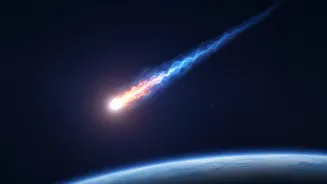
During its fiery descent, a meteor's intense heat causes the elements within it to glow, creating a unique light signature. Scientists can analyze this light using spectroscopy. This technique breaks the meteor's light into its component colours, much like a prism creates a rainbow. The resulting spectrum reveals a series of bright lines, each corresponding to a specific chemical element like iron, magnesium, sodium, or calcium. This provides invaluable clues about the meteoroid's composition before it even hits the ground, helping scientists understand what kind of asteroid or comet it came from.
Rewinding to its Orbit
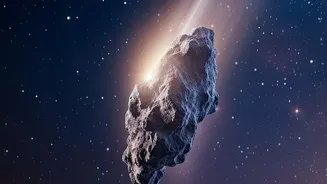
Once astronomers have a precise atmospheric trajectory and velocity, they can perform the most amazing part of the reconstruction: calculating the meteoroid's original orbit around the Sun. By essentially 'rewinding' the path and accounting for Earth's gravity and motion, they can determine the shape and size of the object's orbit before it encountered our planet. This allows them to link a rock that has landed on Earth directly to its home in space, perhaps an asteroid in the main asteroid belt between Mars and Jupiter or the dusty trail of a comet. Linking a physical meteorite to its orbit is a holy grail for understanding the formation of our solar system.
The Hunt on the Ground
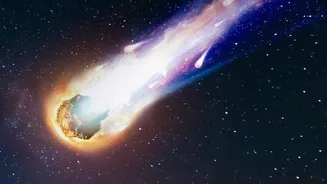
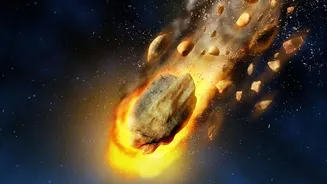
If a meteoroid is large enough and slow enough, parts of it may survive the trip through the atmosphere and land on the ground as meteorites. After the bright, visible flight, the rock enters 'dark flight', where it falls at terminal velocity, affected by atmospheric winds. Astronomers use the trajectory data, combined with weather models that account for wind speed and direction at different altitudes, to predict a fall location. This predicted area, known as a strewn field, can be several square kilometres. Models have become so accurate that scientists and meteorite hunters can narrow their search significantly, sometimes finding these cosmic visitors within hours of their arrival.