





An Experience on Every Level
Dining out in India is no longer just about satisfying hunger; it's about creating a memory. Forward-thinking restaurateurs understand that in a competitive market, a great meal is the baseline, not the final goal. The real magic happens when food, decor,
and atmosphere work in harmony. This shift towards 'experiential dining' treats a restaurant as a stage, where every element is designed to engage the senses. According to research, these multi-sensory experiences can increase a diner's enjoyment and satisfaction significantly. It’s a holistic approach where the design communicates the restaurant’s theme, price point, and quality before you even glance at the menu. This evolution is driven by a simple truth: today’s diners, particularly well-travelled urbanites, want an experience they can feel, and very often, one they can share.
The Power of Perfect Lighting
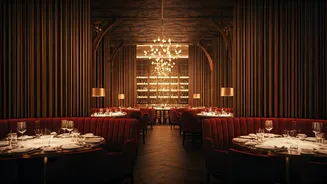
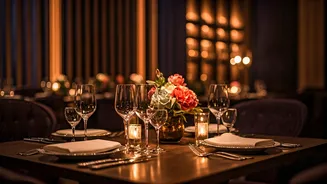
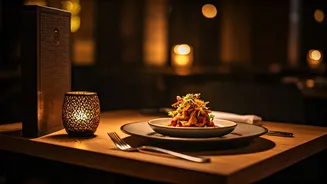
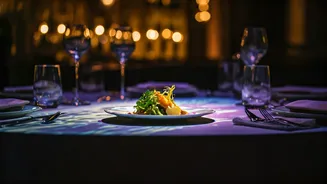
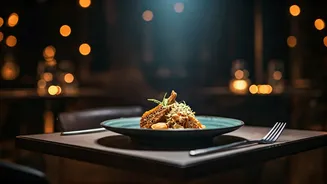
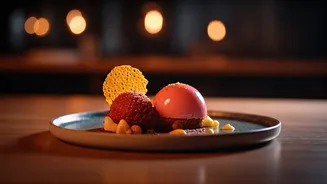
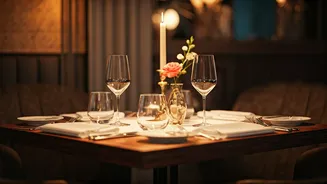
Lighting is arguably the most powerful tool in a restaurant's atmospheric arsenal. It's the silent director of the entire experience. Low, warm lighting is known to encourage relaxation and intimacy, making it perfect for fine-dining establishments where guests are encouraged to linger. Conversely, brighter lighting can create a more energetic, fast-paced environment suited for casual cafes. But the new wave of design goes further, employing 'smart' or 'layered' lighting. This involves using a combination of ambient, task, and accent lights to create depth and highlight architectural features or art. Some restaurants are even using algorithmic systems that adjust the light's colour and temperature based on the time of day, mimicking natural circadian rhythms to enhance comfort. The goal is to make not only the space but also the food—and the diners—look their absolute best. Warm light, for example, is known to make food look richer and more appetising.
The Unheard Ingredient: Sound
Sound is the invisible ingredient that shapes your meal. For years, the acoustics of a dining room were an afterthought, leading to noisy, chaotic environments where conversation was a struggle. Today, 'acoustic-first' design is a rising trend. Restaurants are now being built with sound-absorbing materials, from upholstered furniture to decorative acoustic panels and even pendant lights that double as sound-dampeners. Curved ceilings and walls are also being used not just for aesthetics but to diffuse sound and reduce harsh echoes. Beyond just noise control, the curated soundscape is key. The tempo of the music can influence eating speed; fast music is common in quick-service restaurants to encourage turnover, while slower ambient music in upscale venues encourages a more leisurely pace. Some studies even suggest specific sound frequencies can enhance the perception of certain tastes, like sweetness or bitterness.
Designing for the Digital Age
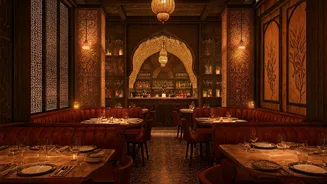
It’s impossible to discuss modern restaurant design without mentioning social media. The rise of 'Instagrammable' spaces has profoundly influenced how restaurants are conceived. A unique visual experience is now a powerful marketing tool, with diners sharing photos of stunning interiors for free. This has led to the creation of distinct focal points like murals, artistic backdrops, neon signs, and spectacular backlit bar displays that become the most photographed part of the room. While early iterations of this trend sometimes led to spaces that looked better than they felt, the current approach is more nuanced. The new goal is to create environments that are both photogenic and genuinely comfortable, blending eye-catching design with a warm, inviting atmosphere that encourages guests to stay.