



Why September Is a Prime Viewing Month
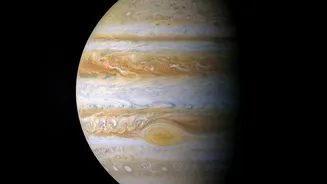
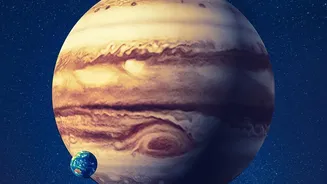
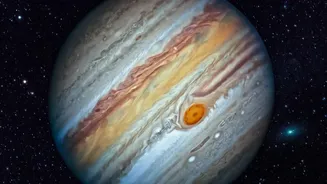
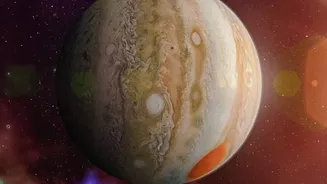
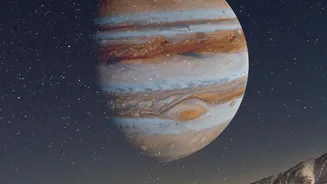
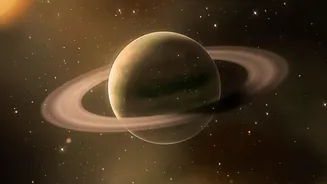
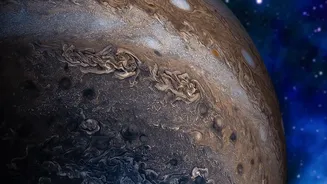
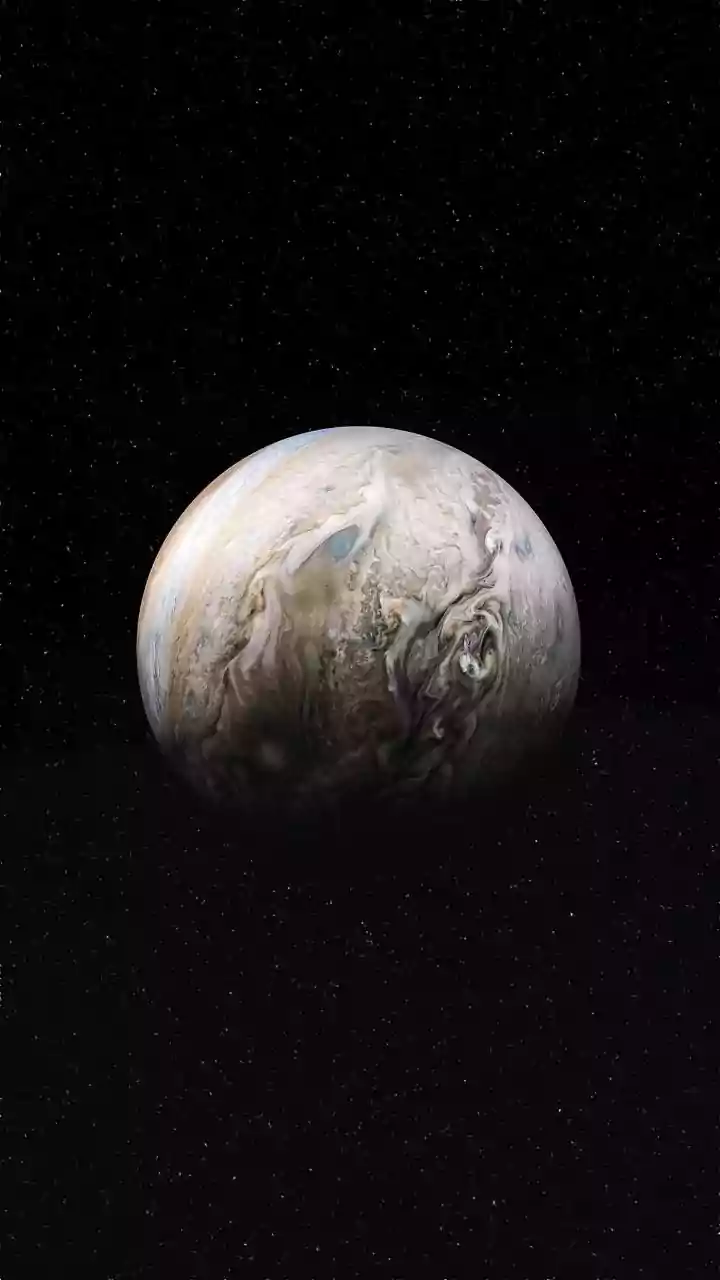
This month offers a fantastic window for spotting our gas giants. Saturn is visible for most of the night, rising in the eastern sky as darkness falls. It reaches its highest point in the southern sky shortly after midnight. Jupiter makes its appearance
a few hours before sunrise, rising brilliantly in the east. As September progresses, Jupiter will rise earlier and become even more prominent in the pre-dawn sky. For those in India, Saturn is visible for most of the night, while Jupiter is best seen just before sunrise. Saturn is approaching its opposition in early October, when it will be at its closest to Earth and fully illuminated by the sun, making it appear brighter all month.
What You'll Need (It's Less Than You Think)
The best part about viewing planets is that, unlike fainter deep-sky objects, they are bright enough to be seen with the naked eye. You don't need expensive equipment to get started. Your own eyes are the most important tool. If you have a pair of binoculars, they can enhance the view, potentially revealing the elongated shape of Saturn due to its rings or even some of Jupiter’s largest moons as tiny pinpricks of light. For identifying them with certainty, a stargazing app on your smartphone is your best friend. Apps like SkyView, Star Walk 2, or Stellarium Mobile use your phone's GPS and camera to create an augmented reality map of the sky, showing you exactly where to look.
Step 1: Timing and Location
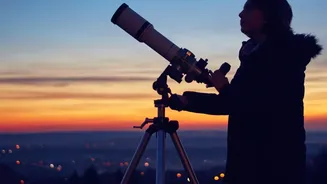
Timing is crucial for city stargazing. Wait for at least an hour after sunset for the sky to darken sufficiently. Saturn will rise in the east around 9:30-10 p.m. local time early in the month and will be visible for most of the night. Jupiter joins the show in the early morning, rising in the east-northeast a few hours before the sun. On the morning of September 8th, a waning crescent Moon will be very close to Jupiter, making the giant planet exceptionally easy to find. To get the best view, find a spot with the clearest possible view of the horizon. A park, a high-rise building's balcony, or any open space away from the direct glare of streetlights will significantly improve your chances.
Step 2: Spotting the Giants
Once you're in position, it's time to hunt. For Saturn, look towards the eastern sky in the mid-to-late evening. It will appear as a steady, bright, yellowish-white point of light—noticeably brighter than most stars around it. Planets don't twinkle as much as stars, so look for a solid, unwavering glow. For Jupiter, you'll need to be an early riser. Look to the eastern sky a few hours before sunrise. You can't miss it; Jupiter is exceptionally bright, outshining every star in the sky. If you are ever unsure, point your stargazing app towards the bright object in question, and it will confirm the planet's identity for you.
Telling Them Apart
From a light-polluted city, you won't see Saturn's rings with your naked eye, but you can still distinguish it from Jupiter. The most obvious difference is brightness. Jupiter is significantly brighter than Saturn, appearing as a brilliant, silvery-white beacon. Saturn is also bright but has a more subdued, yellowish hue. To the naked eye, they will both look like stars, but their steady light is the key giveaway. While they appear as simple dots, remember you are looking at worlds hundreds of millions of kilometres away. Even without a telescope, the difference in their brightness is a direct result of Jupiter being larger and closer to both the Sun and Earth, making it reflect far more sunlight in our direction.
Tips to Conquer Light Pollution
The biggest challenge in the city is the overwhelming glow of artificial lights. First, give your eyes time to adapt. Spend at least 15-20 minutes in the dark without looking at your phone screen (use your app's red-light mode if you need to). This allows your pupils to dilate and gather more light. Second, use buildings or trees to block direct light sources like street lamps. This simple trick can dramatically improve your night vision. Finally, height is your ally. If you can get to a rooftop or the upper floor of a tall building, you can rise above some of the worst of the low-level light pollution and open up more of the sky.