






The Monsoon Digestive Challenge
The magic of the monsoon—cool breezes, grey skies, the smell of wet earth—comes with a distinct shift in our body's internal environment. According to Ayurveda, the ancient Indian science of life, the rainy season, or 'Varsha Ritu', is marked by an aggravation
of the 'Vata' dosha (the principle of air and space). This imbalance, combined with high humidity, is believed to weaken our 'agni', or digestive fire. The result? Sluggish digestion, bloating, acidity, and a general feeling of heaviness. This compromised digestive state makes us more susceptible to water-borne and food-borne infections, which are rampant during this time due to contaminated water and the proliferation of microbes on raw foods, especially leafy greens.
Ancient Wisdom for Modern Rains
To counteract this, Ayurvedic wisdom prescribes a specific dietary regimen ('charya') for the monsoon. The core principle is to eat foods that are light, warm, and easy to digest to pacify the 'Vata' dosha and support the weakened digestive fire. This means favouring freshly cooked meals over stale or refrigerated food. It is advised to incorporate sour and salty tastes and to use digestive spices generously. Key recommendations include avoiding heavy, fried, and excessively oily foods, as well as raw salads and leafy vegetables that can be difficult to clean and digest. Instead, the focus shifts to nourishing, soupy, and well-spiced meals that provide comfort without taxing the gut.
Enter The Humble Khichdi
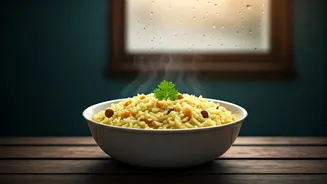
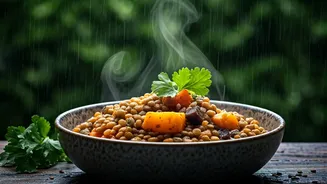
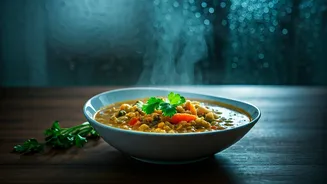
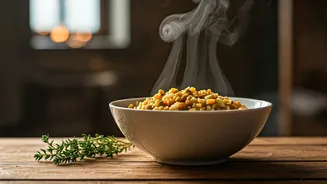
This is where the quintessential Indian comfort food, Khichdi, takes centre stage. Far from being just 'sick person food', Moong Dal Khichdi is a nutritional masterpiece perfectly designed for the monsoon. It embodies every principle of the ideal rainy-season diet. It is warm, soupy, incredibly light on the stomach, and provides a perfect balance of carbohydrates and protein. Made from a combination of rice and lentils (specifically split yellow moong dal), it is considered a complete meal that nourishes the body without overburdening the digestive system. It’s the culinary equivalent of a warm, protective hug on a damp, dreary day.
A Symphony of Simple Ingredients
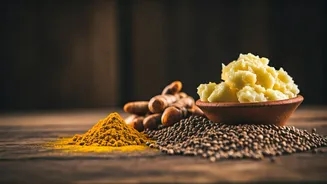
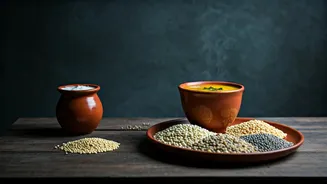
The true power of Khichdi lies in its synergistic blend of ingredients. Rice provides easily accessible energy, while Moong Dal is the most digestible among all lentils, offering high-quality protein. The magic, however, is in the tempering ('tadka'). A dollop of pure ghee (clarified butter) helps lubricate the digestive tract and balances 'Vata'. Turmeric ('haldi') is a potent anti-inflammatory and immunity booster. Ginger aids digestion and fights infections. A pinch of asafoetida ('hing') and cumin seeds ('jeera') work wonders in preventing gas and bloating, making the entire meal a therapeutic experience for your gut. This simple combination transforms a basic dish into a powerful tool for monsoon wellness.
Your Go-To Monsoon Recipe
Making this nourishing dish is wonderfully simple. In a pressure cooker, dry roast half a cup of moong dal until it releases a nutty aroma. Add half a cup of washed rice and two to three cups of water, depending on your desired consistency. Add a teaspoon of grated ginger, half a teaspoon of turmeric powder, and salt to taste. Close the lid and cook for 3-4 whistles. While it cooks, prepare the tadka. Heat a tablespoon of ghee in a small pan. Once hot, add a teaspoon of cumin seeds and a pinch of asafoetida. Let them splutter, then pour this aromatic tempering over the cooked khichdi. Stir well and serve hot, perhaps with a side of plain curd or a simple pickle. You can also add seasonal vegetables like carrots or peas for extra nutrition, but ensure they are thoroughly cooked.