







Start with the Exterior: Roof and Walls
Your home's first line of defence against rain is its exterior. Before the downpours begin, take a walk around your property to conduct a thorough inspection. Check the roof for any loose or broken tiles and look for cracks, which are common entry points
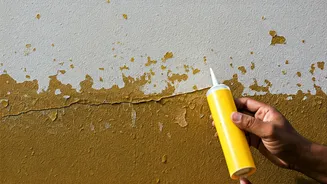
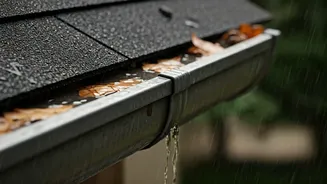
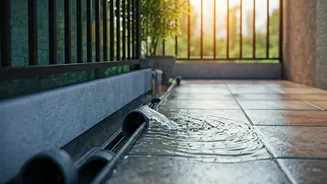
for water. These seemingly small issues can lead to significant leaks and structural damage over time. Pay close attention to exterior walls, looking for cracks or peeling paint, as these are tell-tale signs of potential water seepage. Using a good quality waterproof coating or sealant on these cracks is a crucial step to prevent dampness from creeping into your interior walls. Don't forget to inspect and clean your gutters and drainage pipes. Over time, leaves, dust, and other debris can cause blockages, leading to water overflow and accumulation around your home's foundation. A clear drainage system ensures rainwater flows away from your house, preventing flooding and structural issues.
Seal All Leaks: Windows and Doors
Windows and doors are common culprits for letting in rainwater, especially during heavy spells. Inspect the seals around all window and door frames. Over time, these can degrade, creating gaps for water to penetrate. Applying weather-stripping, silicone caulk, or foam sealants can effectively fill these gaps and create a watertight barrier. For doors leading to balconies or main entrances, adding rubber gaskets at the base can provide an extra layer of protection against water entering your home, which is particularly useful in flood-prone areas. If you have open spaces like balconies or verandahs that are exposed to heavy rain, consider installing temporary or permanent awnings. This can prevent water from entering these spaces and also protects any outdoor furniture.
Prioritise Electrical Safety
The combination of moisture and electricity is a serious hazard during the monsoon. High humidity and water seepage can lead to short circuits, power failures, and even electrical shocks. Before the rains, it is essential to have a qualified electrician inspect your home's wiring for any frayed or exposed cables. Ensure all outdoor wiring is properly enclosed in waterproof conduits and that junction boxes are sealed. Inside the home, never touch switches or appliances with wet hands. It's also wise to install circuit breakers like MCBs and RCCBs, which can cut off power in case of a fault and prevent electrocution. During heavy thunderstorms with lightning, unplug non-essential and expensive electronics to protect them from potential power surges.
Control Indoor Dampness and Pests
High humidity is a given during the monsoon, creating the perfect breeding ground for mould, mildew, and pests. To combat this, ensure your home is well-ventilated. Open windows and doors during dry spells to allow fresh air to circulate. Use exhaust fans in kitchens and bathrooms to expel moisture-laden air. For persistently damp areas, a dehumidifier can be a great investment to maintain ideal humidity levels (between 30-50%). Keep closets and wardrobes from getting musty by placing moisture absorbers or silica gel packets inside. This is also the time when pests like cockroaches and ants seek shelter indoors. Seal any cracks or holes around pipes and in walls where they might enter.
Protect Furniture and Valuables
The damp monsoon air can wreak havoc on your belongings, especially wooden furniture, which can swell and warp. Try to move wooden items away from walls to prevent them from absorbing moisture. Elevating furniture slightly off the floor using small blocks or risers can also protect it from rising dampness. It's a good time to wash and store heavy carpets and rugs, as they can trap moisture and develop a musty smell. For important papers and documents, store them in waterproof folders or bags to safeguard them from any potential leaks or high humidity.
Prepare an Emergency Kit
Power cuts and other emergencies can be common during the monsoon. It's always a good idea to have a well-stocked emergency kit ready. This should include essentials like a battery-powered torch with extra batteries, candles, and a fully charged power bank for your mobile phone. A basic first-aid kit with bandages, antiseptic wipes, pain relievers, and any personal medications is also crucial. Stock up on some non-perishable food items like energy bars and biscuits, along with a supply of clean drinking water. Having these items readily accessible can make a significant difference if you're stuck at home during a heavy downpour or power outage.