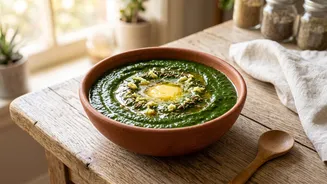







The arrival of winter brings with it a craving for warm, hearty meals, and for many, nothing satisfies like a bowl of saag. This beloved dish is a nutritional powerhouse, but its health benefits aren't just in the greens themselves.
The Nutrient-Rich Foundation of Saag
At its core, saag is
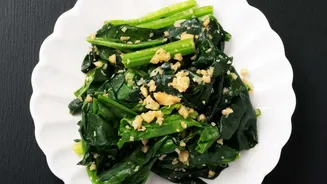
a celebration of green leafy vegetables. Traditionally made from mustard greens (sarson), it often includes spinach (palak), fenugreek (methi), or bathua to balance the flavours. This green base is packed with essential nutrients. It is an excellent source of dietary fibre, which aids digestion and can help manage cholesterol levels. Saag is also loaded with vitamins, particularly Vitamin K for bone health, Vitamin A for vision and immunity, and Vitamin C, a powerful antioxidant. Furthermore, it provides vital minerals like iron, which is crucial for preventing anaemia, and calcium.
How Cooking Changes the Game
The way saag is prepared significantly influences its final nutritional profile. While cooking makes some nutrients more available for the body to absorb, it can also diminish others. Water-soluble vitamins, like Vitamin C, can be lost if the greens are boiled for too long and the water is discarded. Slow-cooking or simmering helps retain more nutrients compared to high-heat methods. The addition of fats like ghee or oil is also a double-edged sword. A small amount of healthy fat is necessary for the body to absorb fat-soluble vitamins like A and K. However, excessive use of oil or butter can dramatically increase the calorie and saturated fat content of the dish, potentially overshadowing the benefits of the greens.
The Company It Keeps: Roti, Butter, and More
A saag meal is rarely just a bowl of greens. The accompaniments are just as important to its overall health impact. The classic pairing is makki di roti, a flatbread made from cornmeal. While cornmeal is gluten-free and offers vitamins and minerals, it has a moderate glycemic index, which means it can raise blood sugar levels. Portion control is key. A generous dollop of white butter is another classic addition. While homemade white butter can provide healthy fats, it's very calorie-dense. The key is moderation. A single roti and a small spoonful of butter create a much different nutritional picture than several rotis slathered in it. The addition of a side salad or some raw radish can add extra fibre and nutrients to the meal.
Building a Truly Balanced Saag Meal
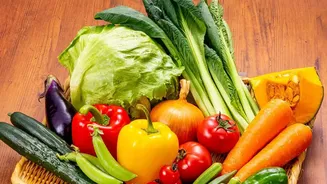
To maximize the health benefits of saag, think of it as the centrepiece of a balanced plate. Instead of relying solely on roti, consider pairing a smaller portion with other whole grains or a source of lean protein like paneer, lentils, or grilled chicken. This helps create a more complete meal that provides sustained energy. Be mindful of the 'tadka' (tempering) and the amount of fat used in the saag itself; using just enough ghee or oil to bring out the flavours is sufficient. Finally, balance the richness of the saag by including fresh components. A simple kachumber salad (chopped onions, tomatoes, and cucumber) on the side adds crunch, freshness, and additional vitamins without adding significant calories.
It’s About the Bigger Picture
Ultimately, no single food or meal defines a healthy diet. Saag is an incredibly nutritious and beneficial dish, especially during the winter months when our bodies crave warm, nourishing food. Its high antioxidant and phytonutrient content can help protect the body from disease and inflammation. However, its role in your diet depends on frequency, portion size, and preparation. Enjoying a traditionally prepared saag with makki di roti and butter is a cultural and culinary delight that can absolutely be part of a healthy lifestyle. The key is to see it not as an everyday indulgence but as one component of a varied diet rich in different vegetables, fruits, proteins, and whole grains throughout the week.