




The Allure of Ancient Footpaths
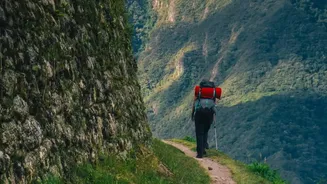
Greece's hiking trails are arteries of history, connecting ancient sites, remote villages, and breathtaking landscapes. Many modern routes follow the original stone-paved paths, or 'kalderimia', that once served as the only way to travel between communities.
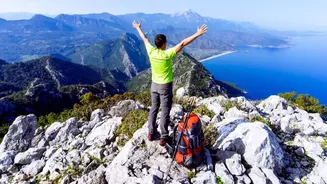
Famous treks like the multi-day Menalon Trail in the Peloponnese and the dramatic Samaria Gorge in Crete offer a chance to walk in the footsteps of ancient Greeks. Others, like the trails on Mount Olympus or the Sacred Way to Delphi, are steeped in mythology and ritual. These paths aren't just recreational routes; they are living museums, preserving the cultural and geographical story of the land. The appeal lies in this unique blend of physical activity and deep historical immersion, from the mountains of the mainland to the coastal cliffs of the islands.
Understanding Trail Access
The term 'trail access' in Greece means more than just finding the start of a path. Many ancient routes fell into disuse with the advent of modern roads, becoming overgrown or even bulldozed. Today, accessing them involves navigating issues of maintenance, signage, and logistics. A trail might be well-marked in one section and completely disappear in the next. Maintenance often falls to local municipalities, volunteers, or dedicated social enterprises like 'Paths of Greece', which has restored over 2,000 kilometers of historic trails. However, even marked trails can be challenging. Signage isn't always uniform, and a lack of a reliable mobile signal in remote gorges and mountains means a physical map and GPS device are essential. Furthermore, getting to a trailhead can require careful planning, as public transport to rural areas can be limited.
Weather: The Great Decider
Weather is arguably the single most important factor when planning a Greek hike. While the country is famous for its sunshine, the summer heat can be dangerously intense, especially from June to August. Locals avoid hiking during midday in summer for good reason: heatstroke is a serious and recurring risk for visitors. For most of the country, the ideal hiking seasons are spring (April-May) and autumn (September-October). During these shoulder seasons, the weather is milder, the landscapes are often at their most beautiful with wildflowers in spring or autumn colors, and the trails are less crowded. Winter hiking is possible in southern regions and on islands like Crete, but mainland mountains like the Pindus range see heavy snow, making thru-hiking inadvisable. Even in good seasons, weather can be unpredictable, with sudden thunderstorms in the mountains or strong 'Meltemi' winds on the islands.
How to Prepare for Your Hike
Proper preparation is non-negotiable. First, research your chosen trail's recent conditions. Just because a path is on a map doesn't mean it's currently passable. Consult local guides or organizations. Secondly, respect the weather. In warmer months, this means starting at dawn, carrying at least three litres of water, wearing light-coloured, long-sleeved clothing, and a wide-brimmed hat. Avoid hiking during the hottest part of the day entirely. Sturdy hiking shoes are a must, as the terrain is often rocky and uneven. Long trousers are also recommended to protect against thorny bushes that often line the paths. Finally, never hike alone if possible, and always inform someone of your route and expected return time. Greece does not have a dedicated aerial rescue service, so ground-based rescues in remote areas can be slow. Calling 112 is the correct emergency procedure.