







The Heart of Assam's Tea Country
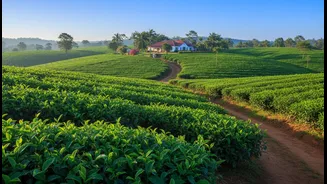
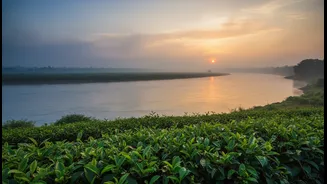
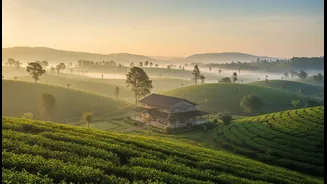
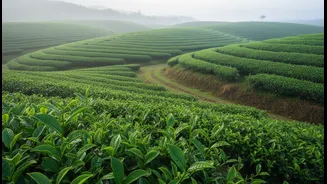
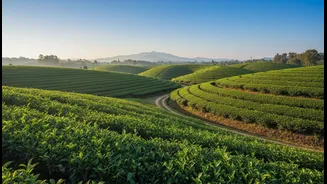
Jorhat's identity is steeped in tea. With over 135 tea gardens, the city is the epicenter of Assam's world-famous tea industry. The landscape is a rolling carpet of green, offering a serene and picturesque backdrop for any visit. The history here is palpable,
dating back to the early 19th century when the British first started commercial cultivation. One of the pioneering gardens was Cinnamora Tea Estate, established in 1850 by Maniram Dewan, making it one of the oldest in Assam. For those interested in the science behind the brew, Jorhat is also home to the Tocklai Tea Research Institute, one of the world's largest and oldest such facilities, founded in 1911. A visit here provides a deep dive into the innovations that have shaped the global tea industry.
A Sip of History: Tea Garden Tours
No trip to Jorhat is complete without experiencing the tea culture firsthand. Many estates welcome visitors for guided tours where you can witness the entire process, from the delicate plucking of leaves in the fields to the processing and tasting. These tours offer a sensory journey, filled with the aroma of fresh tea. Some gardens even have colonial-era bungalows converted into heritage guesthouses, allowing you to stay amidst the plantations for a truly immersive experience. To celebrate its most famous product, Jorhat hosts an annual Tea Festival in November, featuring tastings, cultural performances, and exhibitions that attract enthusiasts from around the globe.
Beyond the Gardens: Nature's Embrace
Jorhat's natural allure extends far beyond its tea estates. It serves as the perfect gateway to some of Northeast India's most incredible ecological treasures. A short drive away is the Hoollongapar Gibbon Sanctuary, a protected forest renowned for being home to India's only ape, the Hoolock Gibbon, as well as six other primate species like the capped langur and slow loris. The unique aspect of this sanctuary is that exploration is done on foot, offering an intimate and thrilling experience of the dense forest. Further afield, the world-renowned Kaziranga National Park, a UNESCO World Heritage site, is also accessible from Jorhat, offering opportunities to see the one-horned rhinoceros.
The Serenity of Majuli Island
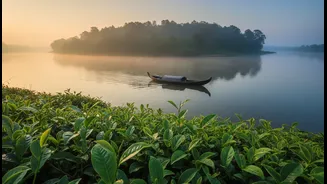
A ferry ride across the mighty Brahmaputra River from Nimati Ghat, near Jorhat, takes you to Majuli, the world's largest river island. This tranquil and culturally rich island is the heart of Assamese Neo-Vaishnavite culture, dotted with numerous 'satras' or monasteries. Visitors can explore these centres to witness traditional mask-making, pottery, and the classical Sattriya dance. The island is a hub for the Mishing tribe, and interacting with the community provides insight into their unique way of life and cuisine. Majuli's serene landscapes, lush paddy fields, and wetlands also make it a paradise for birdwatchers, especially during the winter months when migratory birds arrive.
A Culinary Journey Through Jorhat
The food in Jorhat is a delicious reflection of authentic Assamese cuisine, which is typically less spicy than other Indian food but incredibly flavourful due to its reliance on fresh, local ingredients and herbs. A must-try is the Assamese thali, a platter that offers a variety of dishes. Key items include 'Masor Tenga', a light and tangy fish curry, and 'Khar', a unique dish made from raw papaya and filtered water from banana peel ash. 'Aloo Pitika', a comforting mash of potatoes with mustard oil and herbs, is another local favourite. For the more adventurous, dishes featuring pigeon meat ('Paror Mangxo') or chicken with bamboo shoots ('Baanhgajor Lagot Kukura') offer a true taste of the region.
Planning Your Trip
Jorhat is well-connected by air, with its own airport (Rowriah Airport), and by rail via Jorhat Town and Mariani Junction. The best time to visit is during the winter months, from October to April, when the weather is cool, pleasant, and dry, making it ideal for sightseeing and exploring the outdoors. Summers are hot and humid, while the monsoon season (July to September) brings heavy rainfall that can disrupt travel plans. When packing, comfortable walking shoes are a must, especially for trekking in the wildlife sanctuary and exploring the vast tea estates.