





The Growing Urban Flood Crisis
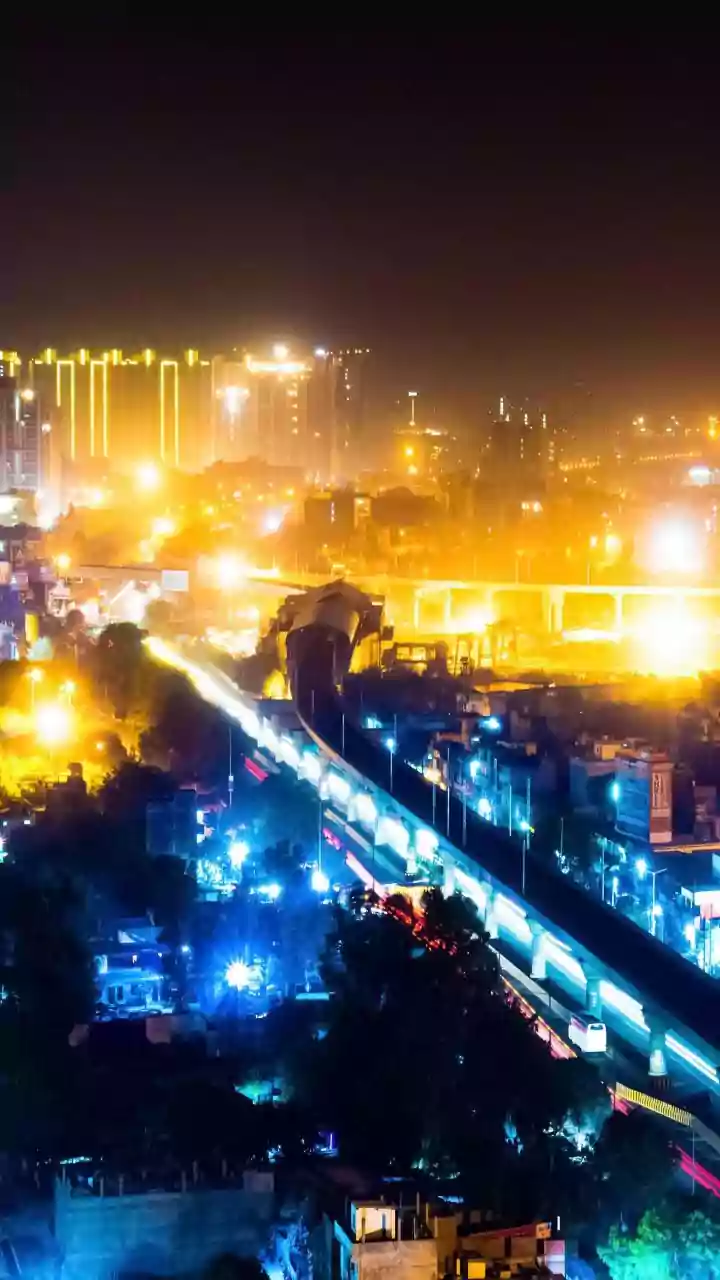
As Indian cities expand, the challenges of managing monsoon rains intensify. Concrete and asphalt have replaced soil that once absorbed rainwater, channeling massive volumes into drainage systems that are often decades old, clogged with silt, or simply
overwhelmed. This results in urban flash floods, which appear with frightening speed, disrupting life, damaging property, and posing a serious threat to public safety. Traditionally, municipalities have relied on reactive measures—clearing drains after they are already choked and responding to floods after they have already happened. This manual, inspection-based approach is often too little, too late in the face of increasingly extreme and unpredictable weather events.
A Shift to Proactive Monitoring
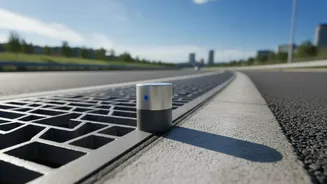
Instead of waiting for disaster to strike, what if municipalities could see it coming? This is the core idea behind deploying Internet of Things (IoT) sensors in urban drains. These small, robust devices act as digital sentinels within the city's vast and unseen drainage network. They represent a fundamental shift from a reactive to a proactive strategy, transforming flood management from a frantic response into a data-driven science. By providing real-time data from the heart of the system, these sensors allow officials to monitor conditions remotely without relying solely on manual field surveys.
How the System Actually Works
The process is elegantly simple in concept. IoT sensors, typically measuring water levels, are installed at strategic locations within the storm drain and sewer network. These locations are chosen based on historical flood data and network topology to cover the most vulnerable points. When rainfall begins, these sensors continuously monitor the water level. If the water rises to a predetermined critical threshold, the sensor automatically transmits an alert. This data is sent wirelessly, using technologies like cellular networks, to a central command centre. There, software analyzes the inputs from across the city, generating a real-time map of the situation and flagging potential hotspots.
The Power of an Early Warning
The most significant benefit is time. An early warning, even one of just an hour or two, is invaluable. It allows disaster management teams to be deployed to the right locations before the situation becomes critical. Public alerts can be issued, advising citizens to avoid certain routes or move vehicles to higher ground. Traffic can be diverted away from areas that are about to be inundated. Automated systems can even be triggered, such as closing tidal gates to prevent backflow from rivers or the sea, a major issue in coastal cities like Kolkata and Mumbai. This warning capability turns a sudden, chaotic event into a manageable one.
More Than Just an Alarm Bell
The utility of these IoT systems extends far beyond immediate flood alerts. The continuous stream of data they generate is a goldmine for urban planners and engineers. By analyzing long-term data, municipalities can identify which drains are chronically prone to silting and blockages, allowing them to optimize cleaning schedules and deploy resources more efficiently. This data helps build a historical record that can inform future infrastructure upgrades, ensuring that new drainage projects are designed to handle real-world conditions. In cities like Mumbai and Kolkata, this data is being integrated into sophisticated 'Digital Twin' models, which are virtual replicas of the city used to simulate and predict flood scenarios with even greater accuracy.
Challenges on the Ground
Despite the clear advantages, implementation is not without its hurdles. The initial cost of deploying a city-wide network of sensors can be substantial. The sensors themselves must be durable enough to withstand the harsh, corrosive environment inside a sewer and require a reliable power source, often a long-life battery. Furthermore, ensuring seamless data communication from underground pipes can be a technical challenge. There is also the significant task of integrating this new technology into existing municipal workflows and training staff to use the data effectively to make informed, split-second decisions.