

The Lithium-Ion Bottleneck
For years, the electric vehicle revolution has run on lithium-ion batteries. While effective, they have significant drawbacks, especially for the price-sensitive Indian market. These batteries are expensive to produce, making up a substantial portion
of an EV's total cost. They also contain a flammable liquid electrolyte, which poses a safety risk through a phenomenon known as thermal runaway, where the battery can overheat and catch fire. Furthermore, their performance can degrade in extreme temperatures, and they have a limited lifespan, requiring costly replacement. These factors have collectively slowed the mass adoption of electric two-wheelers, keeping them out of reach for many potential buyers.
Enter the Solid-State Solution
Solid-state batteries represent a fundamental shift in energy storage. As the name suggests, they replace the flammable liquid electrolyte found in lithium-ion batteries with a solid material, often a ceramic or polymer. This single change unlocks a cascade of benefits. The solid electrolyte is non-flammable, drastically improving safety and virtually eliminating the risk of fires that have been a concern for EV owners. This design also allows for a more compact and energy-dense battery. In simple terms, a solid-state battery can store more energy in the same amount of space, or the same amount of energy in a much smaller and lighter package.
More Power, Less Cost, and Faster Charging
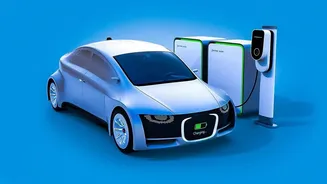
The advantages of solid-state technology go beyond safety. They promise significantly higher energy density, which could nearly double the range of an electric scooter without adding weight. Imagine traveling up to 600 kilometres on a single charge, as demonstrated by some early production models. Charging times are also set to plummet. While today's EVs can take hours to fully charge, solid-state technology enables ultra-fast charging, with some prototypes achieving an 80% charge in under 15 minutes. Crucially, as manufacturing processes mature, solid-state batteries are expected to become cheaper to produce than their lithium-ion counterparts. This is the key that could finally make electric two-wheelers truly affordable for the average Indian consumer.
The Indian Push for Next-Gen Batteries
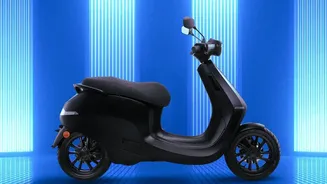
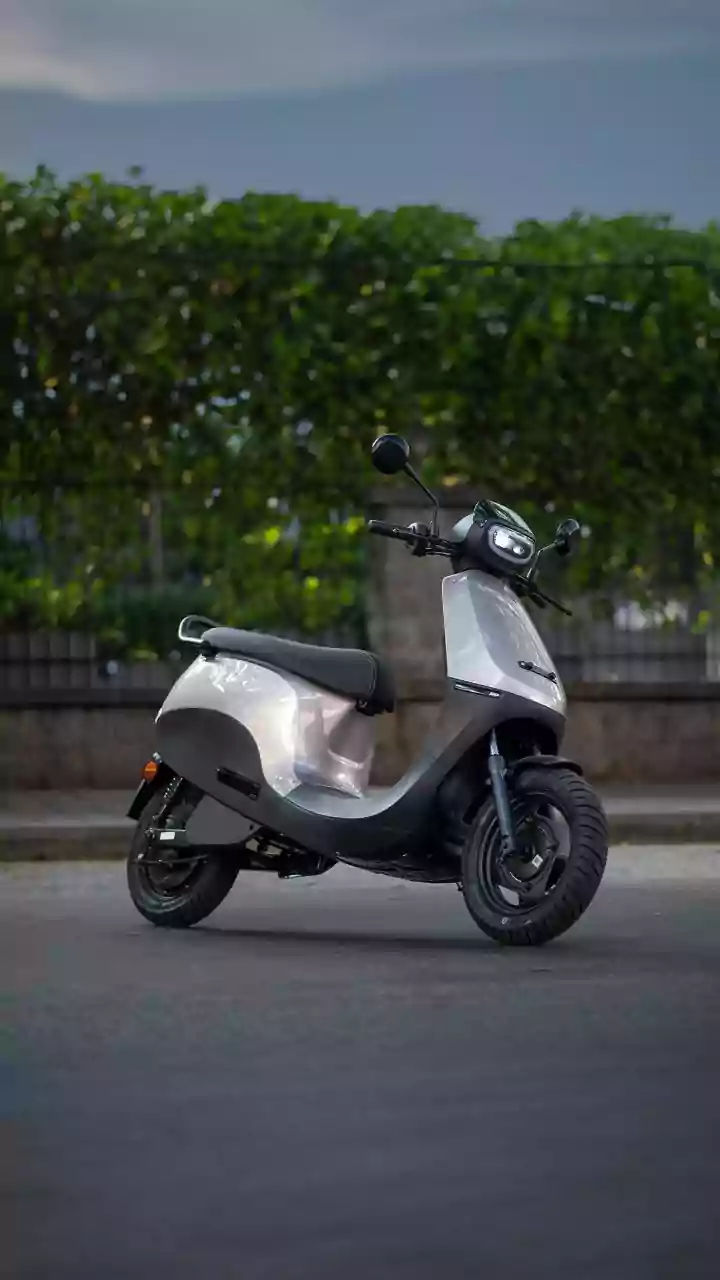
While global giants like Toyota and CATL are racing to commercialise solid-state batteries, a domestic ecosystem is also taking shape in India. The Indian government's Production Linked Incentive (PLI) scheme for Advanced Chemistry Cells (ACC) is actively encouraging local manufacturing and innovation. Companies like GODI, Inventus Power, and others are developing proprietary solid-state and advanced battery technologies within the country. For instance, Ola Electric recently launched its S1Z scooter featuring a locally developed and manufactured LFP battery, signalling a strong move towards vertical integration that reduces costs and reliance on imports. These efforts are critical for building a self-reliant EV supply chain and tailoring battery technology to Indian conditions.
The Road to Mass Adoption
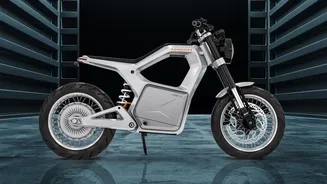
Despite the immense promise, the transition won't happen overnight. The primary challenge remains the cost and complexity of mass manufacturing. Currently, producing solid-state batteries is more expensive than lithium-ion, but costs are expected to fall as production scales up. The first commercial motorcycles using this technology are already being delivered by brands like Verge, proving the concept is viable. Major battery manufacturers are targeting small-scale production around 2027, with wider commercialisation expected to follow. As Indian companies continue their R&D and forge international partnerships, the timeline for seeing these advanced, affordable batteries in mainstream Indian two-wheelers is rapidly approaching, with some market reports projecting significant growth starting from 2025-2026.