

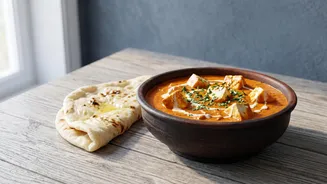

A Hug in a Bowl
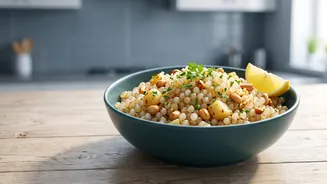
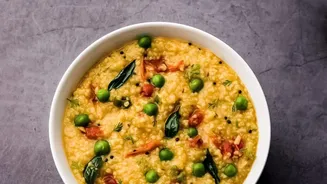
More than just a meal, khichdi is an emotion. For generations across India, it has been the go-to comfort food, intrinsically linked with care and recovery. It’s the first solid food for babies, the gentle meal for someone feeling unwell, and the warm,
restorative dish after a long journey. This psychological comfort isn't just nostalgia; the soft, warm, and simple nature of the dish is neurologically calming, signalling safety and care to our system. In moments of burnout or stress, the act of eating something that demands nothing of you—no complex chewing, no aggressive flavours—can feel like a psychological reset.
The Science of Simple Nutrition
The genius of khichdi lies in its nutritional synergy. The combination of rice (carbohydrates) and lentils (protein) creates a complete protein, providing all nine essential amino acids necessary for muscle repair and growth. This makes it an especially valuable meal in vegetarian diets. Rich in dietary fibre, it aids digestion, promotes a feeling of fullness, and helps maintain steady blood sugar levels. When cooked with a dollop of ghee, it provides healthy fats that help in the absorption of fat-soluble vitamins. The addition of vegetables like peas, carrots, and spinach can further boost its vitamin and mineral content, turning a simple dish into a well-rounded nutritional powerhouse.
Effortless Cooking, Minimal Cleanup
One of the biggest hurdles on a busy evening is the effort of cooking and the subsequent cleanup. This is where khichdi truly shines as a one-pot wonder. The entire meal comes together in a single vessel, drastically cutting down on washing up. The cooking process is incredibly forgiving; there are no complex techniques or precise timings to manage. You simply combine the ingredients with water and spices and let it simmer. This simplicity reduces the mental load and stress associated with preparing a meal after a long day, making it a genuinely stress-free dinner solution.
An Ayurvedic Prescription for Wellness
Long before it was recognised for its macros, khichdi was a star in Ayurvedic tradition. Considered 'tridoshic', it's believed to balance all three doshas (Vata, Pitta, and Kapha), making it suitable for all body types. Ayurveda champions khichdi for its easy digestibility, which gives the digestive system a much-needed rest. It is often the prescribed food during a 'Panchakarma' or detox to help cleanse the body by eliminating toxins without depleting its energy. Spices like turmeric (anti-inflammatory), cumin (aids digestion), and ginger (boosts immunity) are not just for flavour; they enhance the dish's healing properties.
A Canvas for Endless Variation
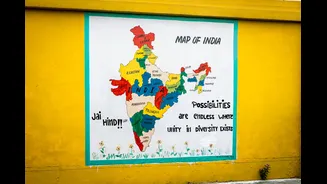
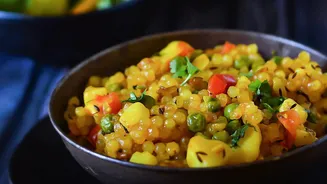
While the basic moong dal khichdi is a classic, the dish is incredibly versatile, with countless regional variations across India. In Bengal, the 'bhoger khichuri' is a richer, celebratory version often made with roasted moong dal and vegetables. Gujarat is famous for its spicy 'vaghareli khichdi', typically served with a tangy yogurt-based soup called kadhi. In Rajasthan, bajra (millet) often replaces rice for a heartier texture, while in Karnataka, 'bisi bele bath' is a more elaborate version with tamarind, vegetables, and a special spice blend. These variations ensure that your one-pot meal never has to be boring.