

Heme vs. Non-Heme: A Tale of Two Irons
Before diving into the hack, it's important to understand that iron comes in two forms: heme and non-heme. Heme iron is found in animal products like meat, poultry, and fish. Our bodies absorb it very efficiently, with up to 30-40% of the iron you consume
making its way into your system. Non-heme iron is the type found in plant-based foods, including leafy greens, beans, lentils, nuts, and whole grains. While these foods are excellent for you, non-heme iron is less bioavailable, meaning the body absorbs it less easily—typically between 2% and 10%. This is why individuals following vegetarian or vegan diets need to be more strategic about their iron intake.
The Science of the Vitamin C Hack
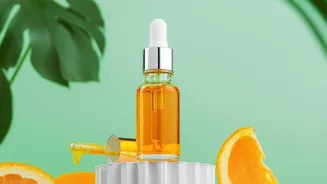
This is where vitamin C comes to the rescue. Nutrition science has consistently shown that vitamin C, also known as ascorbic acid, is the most potent enhancer of non-heme iron absorption. The headline's claim of 'doubling' absorption is not an exaggeration; in fact, the effect can be even greater. Research shows that vitamin C can increase iron absorption by two to seven times, depending on the meal. It works its magic in two key ways. First, vitamin C helps convert plant-based iron from its ferric (Fe³⁺) form into the more soluble ferrous (Fe²⁺) form, which is the version your intestines can readily absorb. Second, it forms a protective bond with the iron, keeping it soluble as it travels through your digestive system and preventing it from being blocked by other dietary compounds.
Your Plant-Based Iron Shopping List
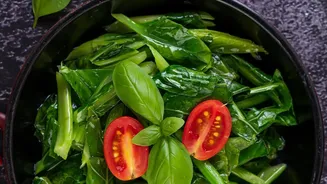
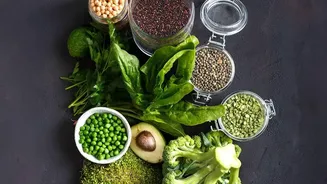
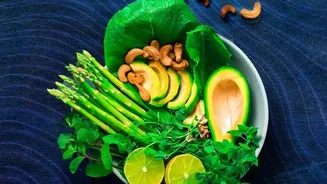
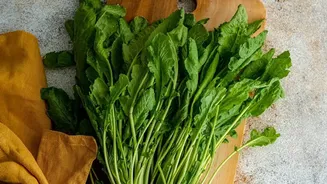
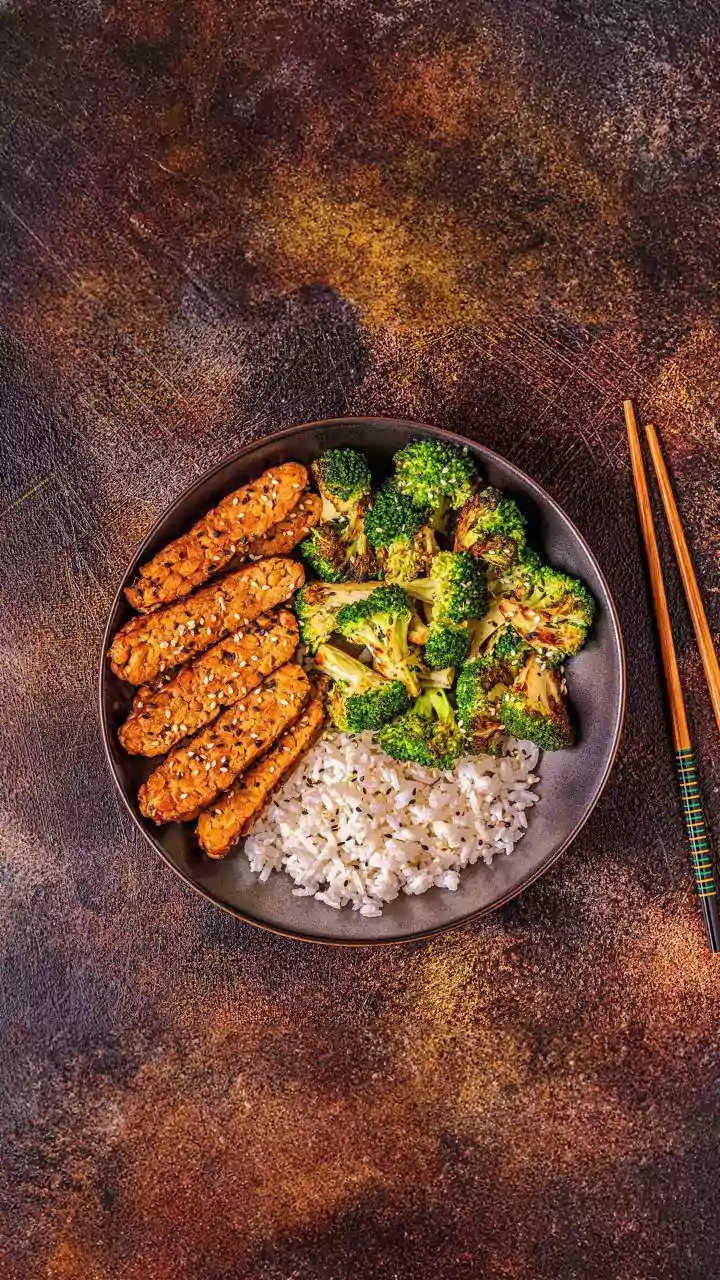
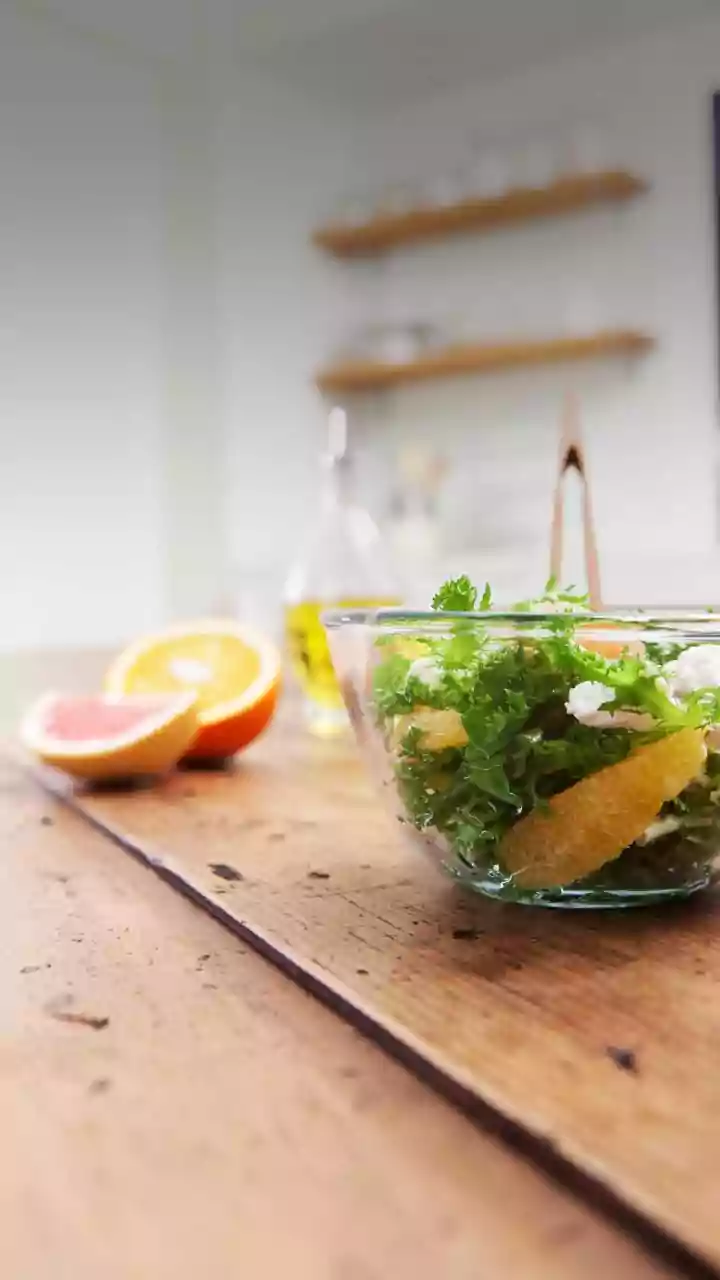
While the headline highlights leafy greens, the world of iron-rich plants is vast and delicious. To maximize your intake, aim to include a variety of these foods in your daily meals: Legumes: Lentils, chickpeas, black beans, and kidney beans are powerhouses of iron. Soy Products: Tofu, tempeh, and edamame are excellent sources. Nuts and Seeds: Pumpkin seeds, sesame seeds, almonds, and cashews offer a solid iron boost. Leafy Greens: Spinach, kale, Swiss chard, and collard greens are classic choices. Whole Grains: Quinoa, oats, and enriched breads and pastas contribute to your daily total. Other Vegetables: Potatoes, mushrooms, and beet greens are also good contributors.
Your Vitamin C Toolkit
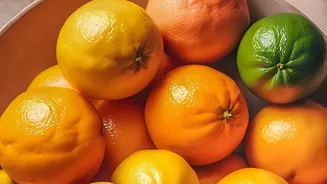
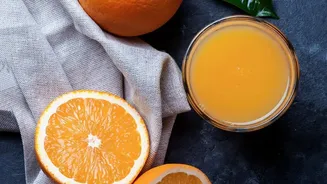
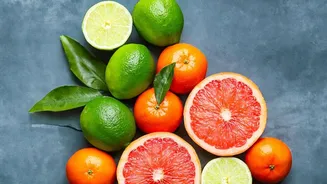
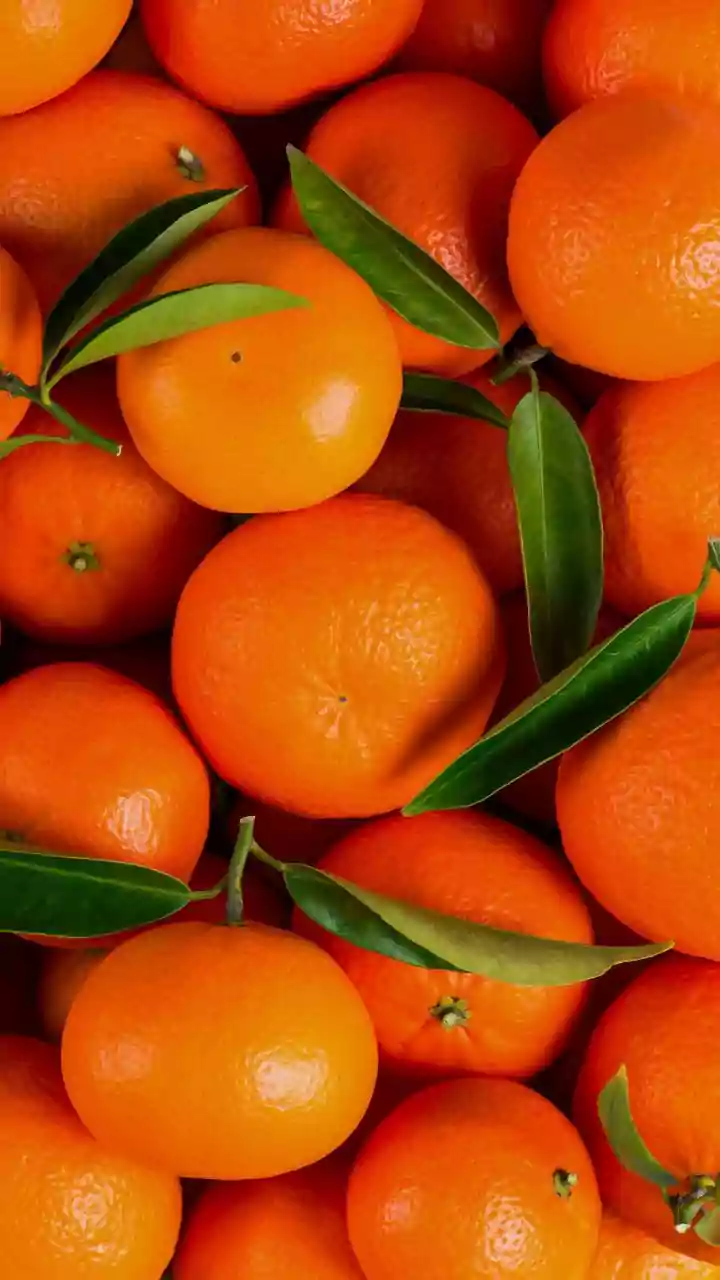
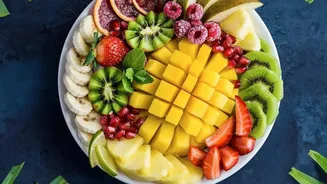
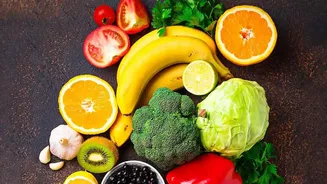
Citrus fruits get all the attention, but many other fruits and vegetables are bursting with vitamin C. The key is to consume them at the same time as your iron-rich foods to get the absorption benefit. Think about adding these to your plate: Citrus Fruits: Oranges, grapefruits, lemons, and limes are fantastic sources. Berries: Strawberries are particularly high in vitamin C. Tropical Fruits: Mangoes, guava, and pineapple are excellent choices. Bell Peppers: Red, yellow, and orange bell peppers are packed with vitamin C. Cruciferous Vegetables: Broccoli, cauliflower, and red cabbage provide both iron and vitamin C. Tomatoes: Whether fresh, cooked, or as a chutney, tomatoes are a great addition.
Putting It All Together: Meal Ideas
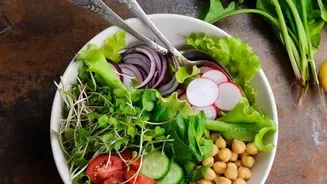
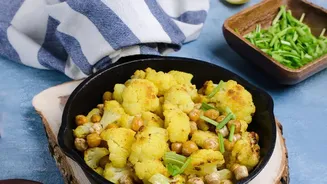
Now for the fun part—combining these foods into delicious and nutrient-dense meals. The possibilities are endless, but here are a few ideas to get you started: Breakfast: A bowl of oatmeal (iron) topped with fresh strawberries and a handful of almonds (iron/vitamin C). Lunch: A large spinach salad (iron) with chickpeas (iron), topped with sliced bell peppers (vitamin C) and a lemon-tahini dressing (vitamin C). Dinner: A lentil curry (iron) simmered with tomatoes (vitamin C) and served with a side of steamed broccoli (vitamin C). Snack: A handful of cashews (iron) with a small orange (vitamin C).
What to Watch Out For: Iron Inhibitors
Just as vitamin C enhances absorption, other compounds can block it. Phytates, found in whole grains, legumes, and nuts, can reduce iron absorption by up to 65%. Similarly, polyphenols and tannins in coffee and tea can inhibit absorption by as much as 90%. Calcium is another inhibitor, affecting both heme and non-heme iron. This doesn't mean you should avoid these foods, but rather be mindful of timing. Try to consume your coffee, tea, or calcium-rich foods (like fortified plant milks) at least an hour or two apart from your main iron-rich meals.