

Decode Your Balcony's Sunlight
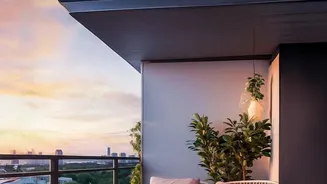
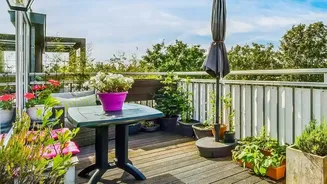
The single most important factor for your balcony garden is sunlight. Before buying any plants, become an observer. Track how the sun moves across your space throughout the day. A south-facing balcony might get intense, direct sun for over six hours,
while a north-facing one may get no direct sun at all. East-facing balconies typically receive gentler morning sun, and west-facing ones get the hot afternoon light. This simple act of observation is your first rule. Most vegetable and flowering plants like hibiscus or bougainvillea need at least six hours of direct sun to thrive. If you have less, don't worry. Many beautiful foliage plants like money plant, snake plant, and some herbs like mint and parsley do wonderfully in partial shade or indirect light. Matching the plant to the light you have, not the light you wish you had, is the key to success.
Master the Art of Watering
The most common mistake in container gardening is improper watering. Ditch the rigid schedule. Instead, learn to 'listen' to your plants. The best way is the finger test: stick your finger about two inches into the soil. If it feels dry at that depth, it's time to water. If it's moist, wait. Water thoroughly until you see it run out of the drainage holes at the bottom of the pot. This ensures the entire root system gets a drink. Several factors influence how often you'll need to water: terracotta pots dry out faster than plastic ones, small pots need water more often than large ones, and windy, hot days will parch plants quickly. In peak Indian summers, you might even need to water daily, preferably in the cooler morning hours to reduce evaporation and prepare the plant for the heat of the day.
Give Your Plants a Good Home
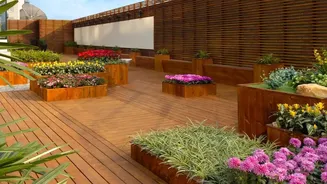
Your plant's pot is its entire world, so make it a good one. The most critical feature of any container is drainage. If a pot doesn't have holes at the bottom, water will stagnate, leading to root rot, which is a swift death sentence for most plants. When it comes to size, bigger is often better. Larger pots hold more soil and moisture, which means they don't dry out as fast and provide more room for roots to grow. Don't use soil directly from a garden bed; it compacts easily in pots, choking the roots. Instead, purchase a quality potting mix. These are specifically designed to be lightweight and provide the right balance of drainage, aeration, and moisture retention, often containing ingredients like coco peat, compost, and perlite.
Choose Your Green Companions Wisely
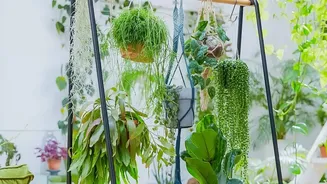
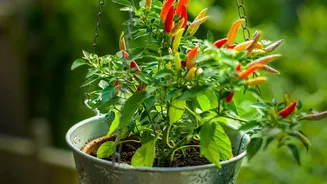
Starting with the right plants builds confidence. For sunny Indian balconies, hardy choices like bougainvillea, hibiscus, marigold, and tulsi (holy basil) are excellent. If you're looking to grow edibles, cherry tomatoes, chillies, and mint are very forgiving for beginners. For balconies with less direct sun, you have great options too. Money plants (Pothos) are famously easy to care for and look wonderful trailing from hanging baskets. Snake plants and ZZ plants are nearly indestructible and tolerate low light, making them perfect for shadier corners. Aloe vera is another practical choice, thriving in bright conditions with minimal watering. Don't overcrowd your pots; give each plant enough space to mature.
A Simple Routine for Healthy Growth
Once you have the basics of sun and water down, a simple maintenance routine can keep your garden thriving. Once a week, take a few moments to inspect your plants. Remove any yellowing or dead leaves to keep the plant looking tidy and prevent disease. Gently rotate the pots a quarter turn to ensure all sides get some light. This also gives you a chance to check for any pests before they become a major problem. Most potting mixes come with nutrients, but these get used up over time. After a few months, you may need to start feeding your plants. A simple, natural fertilizer like compost or a balanced liquid feed, used according to package directions every few weeks during the growing season, is usually all that's needed to support healthy growth.