





The Science of Humid Heat
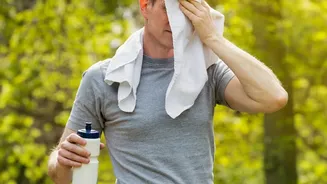
It’s a common phrase for a reason: “It’s not the heat, it’s the humidity.” Your body’s primary cooling mechanism is sweating. As sweat evaporates from your skin, it takes heat with it. However, when the air is already saturated with moisture (high humidity),
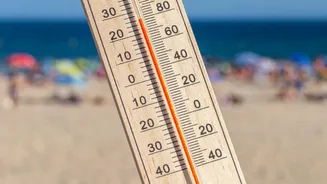
your sweat cannot evaporate effectively. As a result, your body struggles to regulate its internal temperature, which can rise to dangerous levels. This is why the 'feels like' temperature, or heat index, is often much higher than the actual air temperature during humid and rainy conditions. Light rain, in particular, can be deceptive; it may not significantly cool the air but will dramatically increase near-surface humidity, exacerbating heat stress.
Hydration is Non-Negotiable
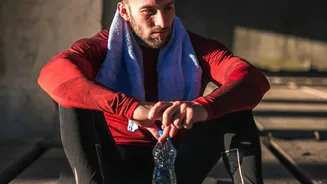
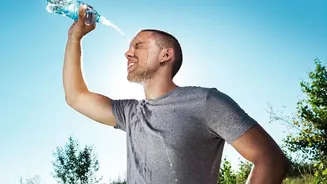
Proper hydration is the single most important rule for travelling in hot and humid weather. Don't wait until you feel thirsty to drink water. Carry a reusable water bottle and sip from it consistently throughout the day. While water is crucial, heavy sweating also depletes your body of essential salts and minerals. Supplement your water intake with electrolyte-rich drinks like coconut water, buttermilk, or oral rehydration solutions (ORS). Try to avoid or limit caffeine and alcohol, as these beverages can contribute to dehydration. Eating fruits with high water content, like watermelon and cucumbers, can also help you stay hydrated.
Dress for Cooling Success
Your choice of clothing can make a significant difference in how your body handles the heat. Opt for loose-fitting, lightweight, and light-coloured clothes made from natural, breathable fabrics like cotton or linen. These materials allow for better air circulation and help sweat evaporate more freely. Dark colours absorb heat, so stick to lighter shades that reflect sunlight. A wide-brimmed hat and sunglasses are essential for sun protection, even on cloudy or rainy days, as harmful UV rays can still penetrate the clouds.
Time Your Activities Wisely
The sun's intensity, and therefore the heat index, is typically at its highest between noon and 4 PM. Whenever possible, schedule strenuous activities, sightseeing, and long walks for the early morning or late evening when temperatures are cooler. If you must be out during peak hours, seek shade frequently and plan for indoor breaks in air-conditioned spaces like museums, cafes, or shopping centres. Pacing yourself is key; overexertion is a fast track to heat exhaustion. Listen to your body and rest when you feel tired.
Know the Warning Signs
It's vital to recognize the symptoms of heat-related illnesses, both in yourself and your travel companions. The early stage is often heat exhaustion, with symptoms including heavy sweating, weakness, cool and clammy skin, a fast but weak pulse, nausea, dizziness, and muscle cramps. If you suspect heat exhaustion, immediately move to a cooler place, loosen clothing, apply cool cloths, and sip water. If symptoms worsen or last longer than an hour, seek medical attention. Heatstroke is a medical emergency that can be fatal. Its signs include a high body temperature (above 103°F), hot and red skin (which may be dry or damp), a rapid and strong pulse, headache, confusion, slurred speech, and potential loss of consciousness. If you suspect heatstroke, call for emergency medical help immediately.