







The Airport Gauntlet: A Familiar Ordeal
For any parent who has flown with children, the airport can feel like the first and most daunting hurdle of the entire trip. Juggling luggage, strollers, and restless toddlers through long queues for check-in and security is a universal pain point. The
combination of crowded terminals, the pressure to make a flight, and the sensory overload can quickly lead to meltdowns—for both children and adults. For years, airports were largely designed for the efficiency of adult, solo travellers, with the unique needs of families being a mere afterthought. This often left parents feeling stressed and unsupported, starting their much-needed holidays on a note of exhaustion.
The Economic Power of the Family Rupee
Airports are beginning to realise that ignoring families is bad for business. Families with children represent a significant and lucrative market. A happy, less-stressed family is more likely to spend time and money at airport restaurants and shops. According to one survey, 68% of parents said they would be more likely to spend on retail and food if the airport provided adequate family facilities. These travellers are not just passing through; they are consumers. By investing in family-friendly environments, airports can encourage longer stays in retail areas and higher spending, which drives significant non-aeronautical revenue. Creating a welcoming space for families is not just a courtesy; it's a powerful economic strategy.
Beyond Just a Changing Table
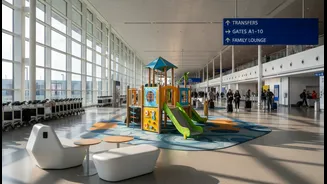
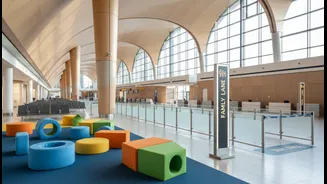
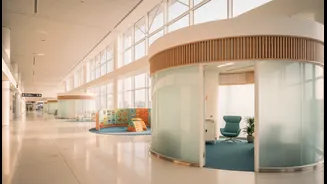
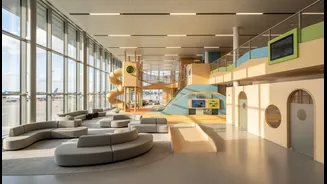
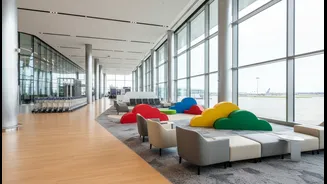
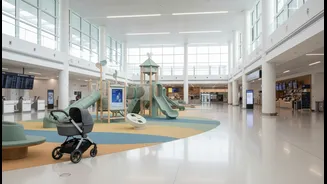
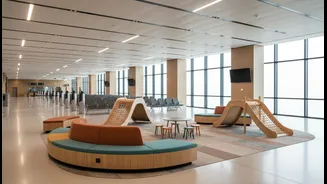
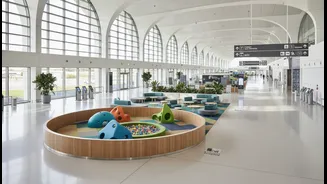
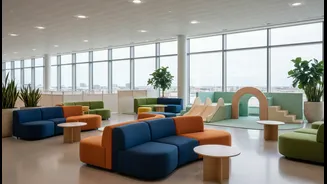
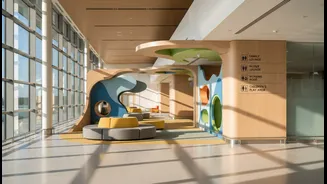
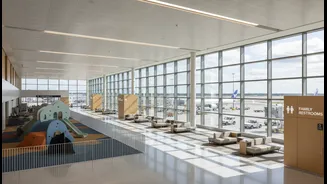
So, what does a truly family-friendly airport look like in 2026? The answer goes far beyond a simple baby-changing station in a restroom. Modern, thoughtful design includes a suite of amenities aimed at making the journey smoother. This includes dedicated family security lanes that reduce the stress of unpacking car seats and strollers. Well-equipped nursing rooms, family restrooms, and free-to-use strollers are also becoming standard expectations. The most innovative airports now feature engaging play areas, sometimes with interactive games or even pop-up entertainment zones, strategically placed near food courts and retail outlets to allow parents to relax while their children play safely.
Indian Airports Step Up
This global trend is very much alive in India, where several major airports are now competing on their family-friendly credentials. Recently, Hyderabad's Rajiv Gandhi International Airport (RGIA) was ranked the fourth most family-friendly airport in the world. The ranking assessed airports on factors like play areas, family security lanes, baby-changing facilities, and stroller services. Bengaluru's Kempegowda International Airport (KIA) was also recognised, placing third in a similar global ranking. These airports have invested in dedicated play zones, stroller-friendly infrastructure, and baby care rooms, signalling a clear understanding that a positive family experience is key to passenger satisfaction. Delhi's T3 and Mumbai's T2 also offer amenities like play areas and art walks to keep younger travellers engaged.
A New Era of Family Travel
The increased focus on family-friendly design is driven by a broader shift in travel habits. More parents are choosing to take their children on experiential journeys rather than leaving them at home. They are looking for seamless, comfortable, and even enjoyable travel experiences from door to destination. Airports are the gateway to these adventures, and a negative experience can taint the entire trip. By responding to the needs of this powerful demographic, airports are not just improving their bottom line; they are making global travel more accessible and enjoyable for the next generation of explorers and their families.