



Know the Chronic Waterlogging Hotspots
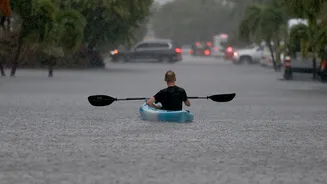
Certain areas in Mumbai are perennially notorious for flooding. The Brihanmumbai Municipal Corporation (BMC) regularly identifies these hotspots. Areas within the Mithi River catchment, such as Kurla, Sion, Bandra East, and Dharavi, are particularly vulnerable.
Similarly, the western suburbs, including Malad, Kandivli, and Borivali, which are linked to the Poisar and Dahisar river systems, frequently experience waterlogging. Key traffic junctions and underpasses like the Andheri subway, Khar subway, and areas around Nana Chowk and Saki Naka Metro Station are also known to flood quickly, often bringing traffic to a standstill. In recent years, even parts of South Mumbai like Churchgate and Oval Maidan have been added to the list of flood-prone zones. Knowing these locations is the first step in planning a safer commute.
Your Digital Toolkit for Real-Time Updates
Technology is your best friend during the monsoon. Before stepping out, use apps and official social media handles for real-time information. The 'm-Indicator' app provides crucial updates on local train services, including delays and platform changes. For flood-specific information, the 'Disaster Management BMC' app sends push notifications about traffic diversions and provides a map of flooded areas. The 'FloodWatch India' app by the Central Water Commission offers flood forecasts up to seven days in advance. IIT Bombay has also developed a 'Mumbai Flood App' that provides hyperlocal rainfall forecasts and water logging information. Following the official Twitter (now X) handles of the Mumbai Traffic Police and the BMC (@mybmc) is essential for instant alerts on road closures and safety advisories.
Tips for Driving on Waterlogged Roads
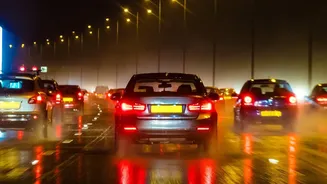
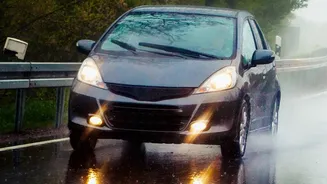
If you must drive, exercise extreme caution. It's always best to avoid a waterlogged route if possible. If you have no choice, drive slowly and steadily in a low gear, keeping the engine revs high to prevent water from entering the exhaust pipe. Try to stay in the centre of the road, as it is often the highest point with the least amount of water. Avoid sudden braking or acceleration. If your car stalls in water, do not try to restart it. Doing so can cause severe engine damage, a condition known as hydrostatic lock. It is safer to push the vehicle out or wait for the water to recede. After passing through a flooded area, gently tap your brakes a few times to dry them out and ensure they are working effectively.
Safety on Foot and Public Transport
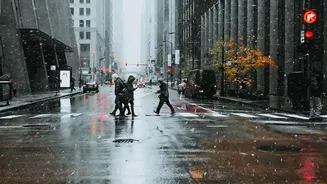
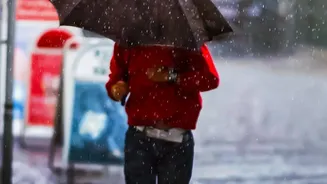
For those walking or using public transport, the risks are different but just as serious. Floodwater can hide open manholes, potholes, and sharp debris. The BMC warns that wading through stagnant water, especially with cuts or wounds, significantly increases the risk of diseases like leptospirosis. If you must walk through water, wear protective footwear like rubber boots. Be wary of taking shelter under trees during heavy rain and winds, as falling branches are a common hazard. On local trains, platforms and foot overbridges become slippery. It's better to miss a train than to rush and risk a fall on a wet surface. Always hold railings and be mindful of the crowds. When possible, have an alternate route in mind that might involve switching to the Metro or a BEST bus to bypass heavily affected train lines.
General Precautions and Emergency Contacts
During periods of very heavy rain, authorities like the BMC often issue advisories urging citizens to stay indoors unless absolutely necessary. It is wise to heed these warnings. Avoid parking your vehicle under old trees or near dilapidated structures. The BMC also issues guidelines for construction sites, asking them to secure loose materials and suspend hazardous work, so be extra cautious when passing these areas. Keep your phone charged and carry a power bank. Finally, save the BMC's 24-hour emergency helpline number, 1916, on your phone. You can use it to report any rain-related issues or seek assistance.