




India's Surprising Deficiency
Studies suggest that a staggering 70-100% of the Indian population has insufficient Vitamin D levels. This issue cuts across all ages, regions, and socioeconomic groups. Several factors contribute to this widespread problem. Modern indoor lifestyles mean
less time spent in the sun, where our skin naturally produces Vitamin D. In major cities, air pollution can block the specific UVB rays needed for this synthesis. Furthermore, melanin, the pigment that gives Indian skin its tone, acts as a natural sunblock, meaning people with darker skin need more sun exposure than lighter-skinned individuals to produce the same amount of Vitamin D. Traditional clothing that covers most of the skin also limits sun exposure.
Food First: The Natural Advantage
While sunlight is a primary source, diet plays a crucial top-up role. Getting Vitamin D from food comes with a significant benefit: bioavailability. Vitamin D is a fat-soluble vitamin, meaning it is best absorbed by the body along with fat. Natural food sources like fatty fish and egg yolks contain this fat, creating a perfect package for absorption. Food also provides a complex matrix of other essential nutrients that work in synergy. Relying solely on a pill might mean you miss out on the broader nutritional benefits of a balanced diet. Moreover, it's very difficult to get too much Vitamin D from food alone, which reduces the risk of toxicity that can occur with high-dose supplements.
Finding D on Your Plate
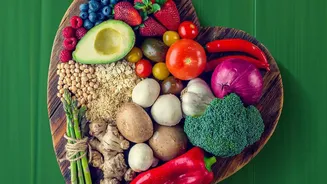
Naturally, very few foods are rich in Vitamin D, which is a challenge for India's large vegetarian population. However, smart choices can make a difference. For non-vegetarians, fatty fish like mackerel (bangda), sardines (tarli), and pomfret are excellent sources. Egg yolks also contain a useful amount of Vitamin D. For vegetarians, the options are more limited but still exist. Mushrooms, especially those exposed to UV light, are one of the few plant-based sources. Dairy products like milk, yogurt, and paneer contain small amounts, which can add up over time.
The Rise of Fortified Foods
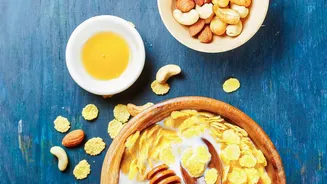
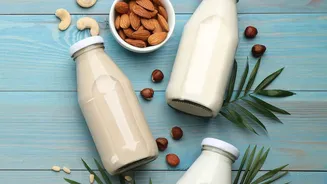
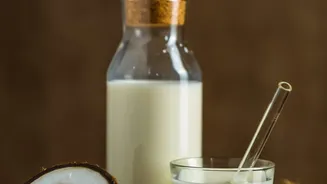
To combat this widespread deficiency, food fortification has become a key public health strategy in India. This involves adding Vitamin D to staple foods that are widely consumed. You can now find fortified milk, edible oils, yogurt, and breakfast cereals in many stores. Checking the label for terms like 'fortified with Vitamin D' can be an easy way to boost your intake without drastically changing your diet. Fortified milk and oils, in particular, are effective because they are consumed across the country and the fat content aids absorption.
When Do Supplements Make Sense?
Supplement claims can be powerful, often promising a quick fix for fatigue, weak bones, and poor immunity. While supplements are necessary for some, especially those with diagnosed deficiencies, absorption issues, or very limited sun exposure, they are not a substitute for a healthy diet and lifestyle. The supplement market is vast, and the quality and dosage can vary wildly. Vitamin D3 is generally considered more effective at raising blood levels than Vitamin D2. It's crucial to approach supplements with caution and ideally under the guidance of a doctor who can recommend the appropriate dosage based on your specific needs, preventing the risk of overconsumption.