




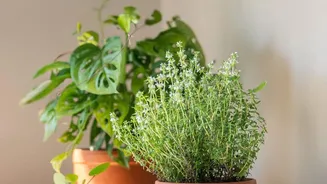
The aromatic charm of fresh thyme can elevate any kitchen, and growing it indoors is easier than you think. This guide will walk you through the simple steps to cultivate a healthy, fragrant thyme plant right on your windowsill.
The Essential Role of Sunlight
The headline holds true
for a crucial reason: thyme is a Mediterranean native that thrives in full sun. To keep your indoor thyme plant happy, it needs at least six hours of direct sunlight each day. The ideal location is a bright, south-facing window where it can soak up as much light as possible. If your home lacks a sunny spot, don't worry. You can supplement with an LED grow light for 12 to 14 hours a day to mimic its preferred conditions. Without enough light, your thyme may become 'leggy,' with long, sparse stems and fewer flavourful leaves.
Choosing the Right Pot and Soil
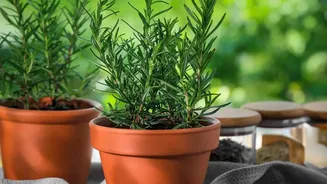
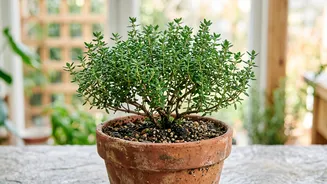
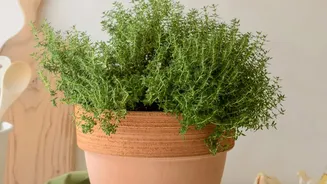
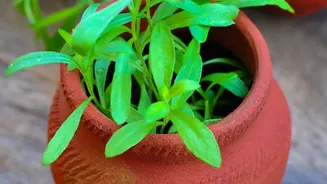
Success with indoor thyme starts with its foundation. These plants despise 'wet feet' and are prone to root rot, so excellent drainage is non-negotiable. Choose a clay or terracotta pot, which is porous and helps wick excess moisture away from the soil. Ensure the pot has at least one large drainage hole. Thyme prefers a light, airy, and sandy potting mix that drains quickly. Standard potting soil can be too dense; you can improve it by mixing in coarse sand, perlite, or a cactus/succulent mix to ensure water flows through freely.
Mastering the Art of Watering
Overwatering is the most common mistake when caring for indoor thyme. This herb is drought-tolerant and prefers its soil to dry out completely between waterings. To check if it's time to water, stick your finger about an inch into the soil. If it feels dry, it's time to give the plant a thorough soak until water runs out of the drainage hole. Then, allow it to dry out again. A consistently damp plant may show signs of stress like wilting or yellowing leaves, which are often indicators of root rot rather than thirst.
Pruning for Bushiness and Harvest
Regular pruning is key to preventing your thyme plant from becoming woody and sparse. It also encourages bushier, more compact growth. The best way to prune is simply to harvest your thyme regularly. Snip off the top two to three inches of the green, leafy stems, cutting just above a leaf node. Avoid cutting into the tough, woody parts of the stem, as they may not regrow. Consistent trimming not only provides you with fresh herbs for your cooking but also signals the plant to produce more foliage, ensuring a continuous supply.
Troubleshooting Common Issues
Even with great care, you might encounter a few issues. If your plant looks leggy and sparse, it's a clear sign it needs more sunlight. If you notice yellowing leaves and the soil is damp, you are likely overwatering. Reduce watering and ensure the pot has good drainage. While thyme is fairly pest-resistant, keep an eye out for spider mites or aphids, especially if the air in your home is dry. These can often be managed by spraying the leaves with water or using an insecticidal soap.