







A Critical Lifeline to Earth
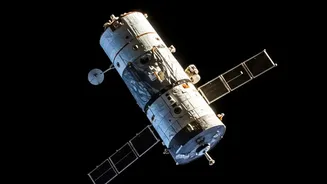
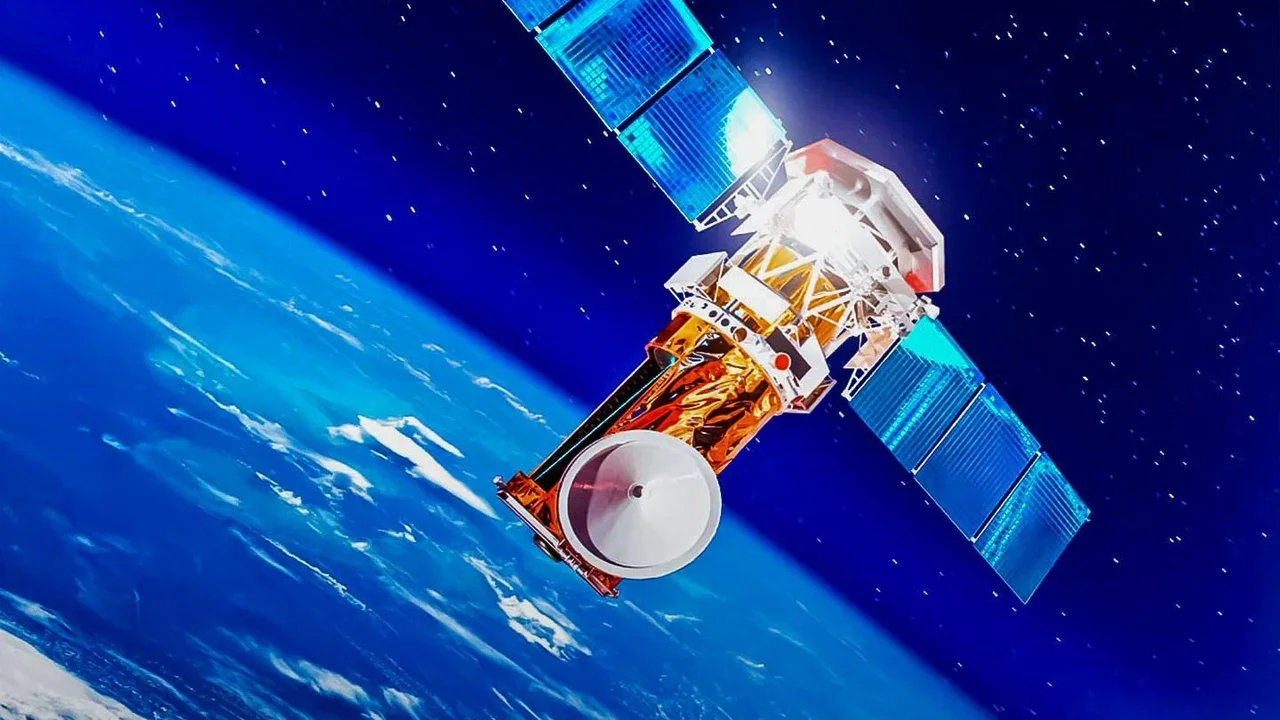
The International Space Station (ISS) relies on a sophisticated network of communication systems to stay connected with Mission Control in Houston and other ground stations. These systems transmit everything from scientific data and operational telemetry
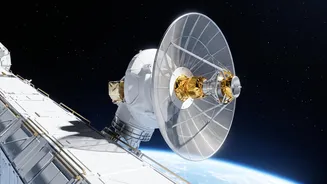
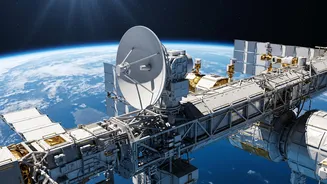
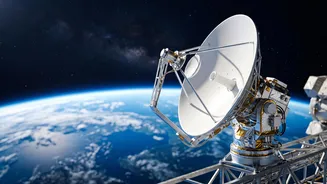
to voice calls and video feeds. One of the key components is the S-band antenna system, which provides crucial links for voice and data. When one of these Space-to-Ground Antenna (SGANT) units failed, NASA prioritized its replacement to ensure the station maintained its robust communication capabilities. While redundant systems meant the crew was never out of touch, restoring the full network was essential for operational margin and safety.
The Spacewalking Team
The challenging task fell to NASA astronaut Anil Menon and European Space Agency (ESA) astronaut Sophie Adenot of France. The repair was conducted over two separate spacewalks. During an initial outing on August 18, the pair successfully removed the faulty antenna but ran out of time to install the new one due to difficulties with cables and bolts. They returned for a follow-up extravehicular activity (EVA), as spacewalks are officially known, on August 25 to finish the job. The mission marked the third spacewalk for Menon and the second for Adenot, who had previously become the first French woman to perform an EVA.
A Choreographed Dance in Zero Gravity
Working in the vacuum of space is one of the most demanding jobs imaginable. On August 25, Menon and Adenot began their spacewalk, which lasted six and a half hours. With Menon secured to the end of the Canadarm2 robotic arm and Adenot moving by handrails, they retrieved the spare antenna from its storage platform. They then worked meticulously to install and connect the new unit. The spacewalk concluded after they successfully secured the failed antenna to a more permanent storage location on the station's truss structure. Initial tests from the ground confirmed the replacement was a success, with one flight controller remarking, "You just saved the video dish."
Why Communications Resilience Matters
The term 'communications resilience' refers to having multiple, dependable channels for sending and receiving information. On the ISS, this is not just a convenience; it's a necessity. These links are used to relay vast amounts of data from the hundreds of scientific experiments running at any given time. They also provide the crew with their primary connection to family, doctors, and the support teams on Earth. Maintaining multiple high-functioning antennas, including S-band and Ku-band systems that work through NASA's Tracking and Data Relay Satellite System, ensures that if one component fails, there are always backups ready to take over, guaranteeing the safety of the crew and the continuity of the mission.