








A Direct Line to Food Safety Authorities
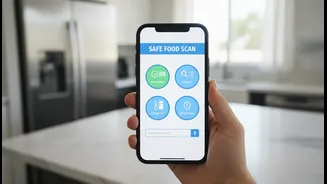
The Food Safety and Standards Authority of India (FSSAI) has actively encouraged citizens to become the 'eyes' of the organisation. Their primary tool for this is the 'Food Safety Connect' platform, available as a mobile app for both Android and iOS and as a web
portal. This system is designed to be a direct line for consumers to report violations, from adulterated food and expired products to poor hygiene and misleading labels. When you submit a grievance, it is routed to the relevant food safety authority for verification and potential action. This process empowers you to move beyond a negative online review and contribute to a more robust national food safety ecosystem. The goal is simple: to turn consumer awareness into concrete action that regulators can use.
The Anatomy of an Actionable Complaint
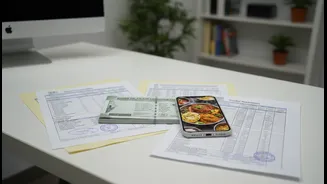
Submitting a complaint is easy, but submitting one that gets results requires a bit more effort. Think of it not as a social media post, but as the first step in an official inquiry. For authorities to act, they need credible, specific, and verifiable information. Vague accusations without proof are difficult to pursue and often lead to no action. The FSSAI itself advises that attaching relevant proofs like images and bills is highly recommended to ensure your complaint can be processed effectively. An incomplete or poorly documented complaint is like asking a detective to solve a case with no clues. It’s not that your concern isn't valid; it’s that the system needs a solid foundation to launch an investigation. The quality of your input directly determines the potential for a meaningful outcome.
Problem 1: Vague and Missing Details
One of the quickest ways for a complaint to stall is a lack of specific details. Simply stating "a restaurant on the main road was unhygienic" is not enough for an officer to take action. To make your complaint effective, you must be precise. Include the full and correct name of the food business, its complete address, and, if possible, the 14-digit FSSAI license or registration number. This number is often displayed on the premises or printed on the bill. For packaged goods, this number is mandatory on the label. Providing this unique identifier allows the authorities to pinpoint the exact business operator responsible, eliminating ambiguity and speeding up the process significantly. Without it, officials may struggle to even locate the business in question.
Problem 2: The Absence of Visual Proof
In the world of food safety, a picture is truly worth a thousand words. Photographic or video evidence provides clear, indisputable proof of your claim. If you've found a foreign object in your food, a photo is essential. If a product is being sold past its expiry date, a clear picture of the date on the packaging is your strongest evidence. Noticed an unhygienic kitchen or poor food handling practices? A discreet photo or video can validate your written description. This visual proof moves your complaint from being a subjective claim to an objective report. It helps the authorities assess the severity of the violation and prioritize their response. Blurry, dark, or out-of-focus images can be just as unhelpful as no image at all, so take a moment to ensure your evidence is clear and legible.
Problem 3: No Bill or Packaging
The bill is more than just a record of your payment; it's a crucial piece of evidence that establishes a direct link between you, the food business, and the specific product on a particular date and time. It proves you were a customer and grounds your complaint in a real transaction. For packaged food complaints, the original packaging is just as vital. It contains the brand name, manufacturer's details, the FSSAI license number, and, most importantly, the batch number. A batch number allows the manufacturer and regulators to trace the specific production cycle where a problem may have occurred, helping to identify if the issue is an isolated incident or part of a larger contamination that could necessitate a product recall. Discarding the bill and packaging before logging a complaint can severely handicap any subsequent investigation.
Filing a Complaint That Works
To maximize your chances of a successful resolution, follow a clear process. First, download the 'Food Safety Connect' app or visit the web portal. Before you start, gather all your evidence: take clear photos or videos, and keep the physical bill and product packaging. When you log in to file your complaint, provide the full business name and address. Select the most accurate category for your issue, whether it's adulteration, hygiene, or labelling. Write a concise, factual description of the problem. Avoid emotional language and stick to the facts. Upload your high-quality evidence. Once submitted, you will receive a unique tracking ID. Keep this ID safe, as you can use it to monitor the status of your complaint directly through the platform.