

A New-Wave Drape
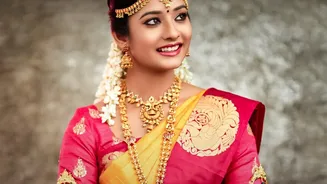
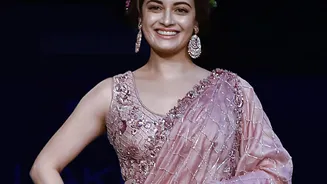
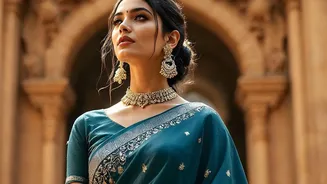
The classic Nivi drape, with its neat front pleats and pallu over the left shoulder, has long been the default way to wear a saree. But for many young Indians today, it’s just one option among many. A new wave of draping techniques is taking over, transforming
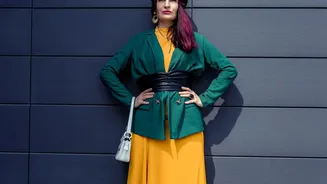
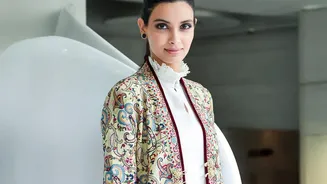
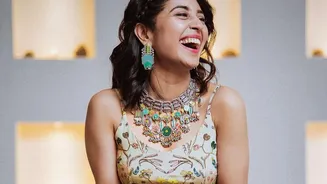
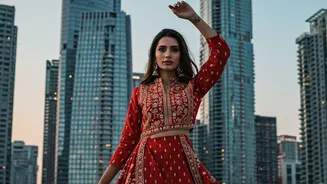
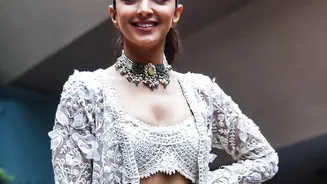
the familiar six yards into a canvas for personal expression. We're seeing sarees styled like dhotis, wrapped over pants, cinched with a belt, or even pre-draped for ultimate convenience. Similarly, lehengas are no longer confined to the traditional skirt-blouse-dupatta trio. Skirts are being paired with crop tops, blazers, and shirts, while dupattas are being draped like capes or dropped entirely in favour of a jacket. This isn't about abandoning tradition; it's about making it work for a modern lifestyle.
Comfort Is the New Queen
Perhaps the biggest driver of this shift is the demand for comfort. Younger generations live fast-paced, active lives and want clothing that can keep up. Traditional drapes, while beautiful, can be restrictive. Heavy fabrics and cumbersome pleats aren't ideal for a sangeet dance floor or a long day of festival-hopping. Contemporary draping styles, often using lighter fabrics like georgette, chiffon, and organza, prioritise freedom of movement. The pant-style saree, for instance, offers the elegance of a saree with the mobility of trousers. Pre-draped sarees and saree gowns eliminate the complexity of draping altogether, making them a go-to for first-time wearers or anyone short on time. This 'pajama philosophy' argues that ethnic wear should feel as good as it looks.
An Expression of Identity
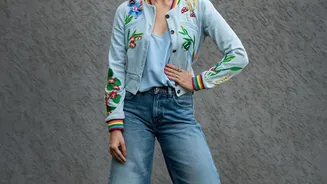
For Gen Z, fashion is a language of identity, and fusion wear is their dialect. Mixing traditional garments with modern styling is a way to celebrate their cultural heritage while asserting their individuality. Instead of adopting a look wholesale, they are curating it. A unique drape or an unexpected pairing—like a handloom saree with sneakers or a lehenga skirt with a denim jacket—becomes a personal signature. This approach rejects the idea that ethnic wear is a 'costume' for special occasions. Instead, it integrates these beautiful, meaningful garments into their everyday lives, proving that tradition can be both cool and contemporary.
The Social Media & Celebrity Effect
It’s impossible to talk about modern fashion trends without mentioning the influence of social media and Bollywood. When a celebrity like Sonam Kapoor or Alia Bhatt steps out in an innovative saree drape, it's instantly screenshotted, shared, and emulated by millions. Influencers on Instagram and TikTok are constantly showcasing new ways to style old favourites, providing endless inspiration. These digital platforms have made fashion more accessible and democratic, allowing trends like the belted saree or the lehenga-with-a-shirt to spread rapidly. A look seen on the runway or in a film can become a nationwide trend in a matter of days, encouraging more experimentation.
Evolution, Not Erasure
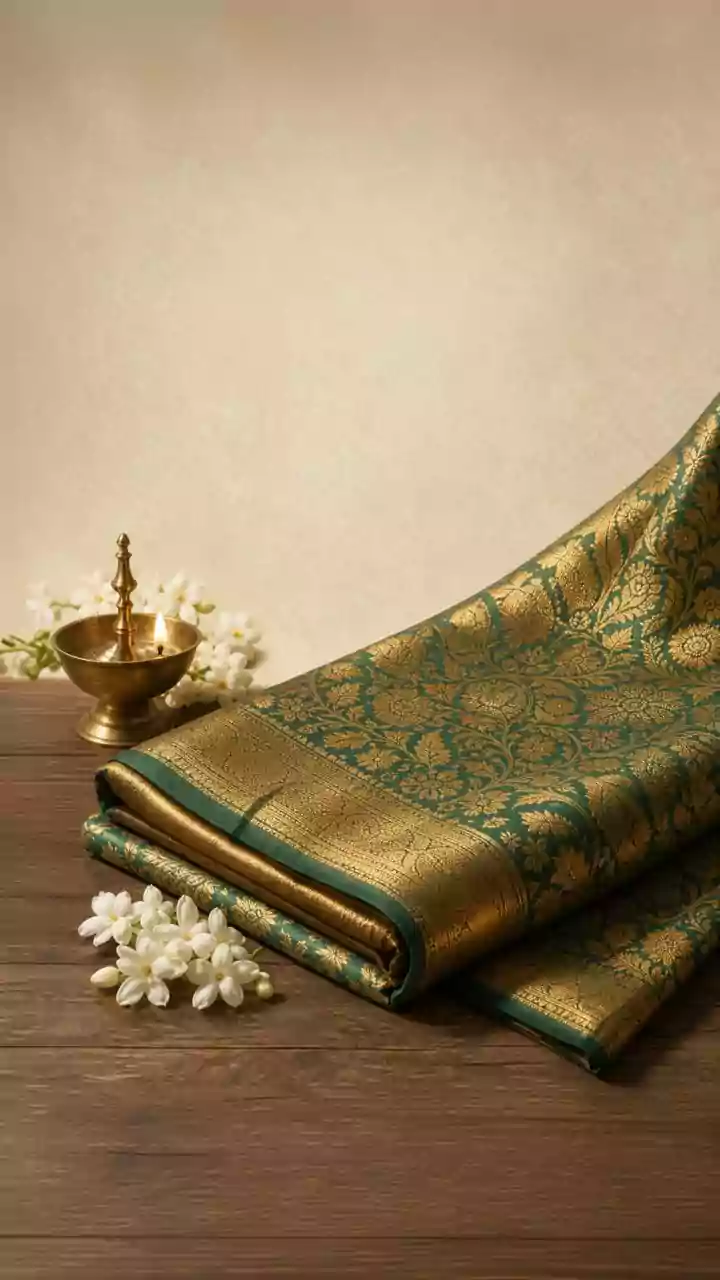
This embrace of contemporary draping is not a rejection of traditional styles but a sign of their enduring relevance. By adapting sarees and lehengas to fit their lives, younger Indians are ensuring these garments continue to be loved and worn. The fusion of old and new—pairing a heritage Banarasi silk with a modern corset top, or styling a classic lehenga with a dramatic cape—shows the versatility and resilience of Indian textiles and silhouettes. It’s a dynamic conversation between the past and the present, ensuring that these iconic garments don't just remain in grandmother's closet but are a vibrant, living part of India's fashion future.