








What Is Chrononutrition?
Chrononutrition is an emerging field of science that studies the relationship between meal timing and the body's internal 24-hour clocks, known as circadian rhythms. The core idea is simple: our bodies are primed to digest and metabolise food more efficiently
at certain times of the day. By aligning our eating patterns with these natural rhythms, we can potentially improve various aspects of our health, from metabolism to sleep quality. It shifts the focus from just calories and nutrients to the 'when' of eating, suggesting that the same meal consumed at 9 a.m. versus 9 p.m. could have very different effects on the body.
Your Body's Internal Clocks
Our bodies run on a complex system of internal clocks that regulate nearly all of our physiological processes. The main 'master clock' is in the brain's suprachiasmatic nucleus (SCN), which is primarily synced by light exposure. This master clock then coordinates 'peripheral clocks' located in almost every organ and cell, including those in our digestive system. These clocks tell our body when to wake up, feel hungry, release hormones, and prepare for sleep. When our lifestyle, including our eating schedule, is out of sync with these clocks—a state known as circadian misalignment—it can disrupt these processes and has been linked to an increased risk for several health issues.
The Gut Has a Clock, Too
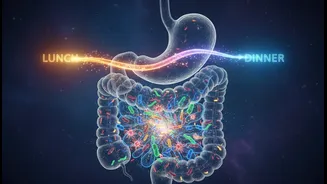
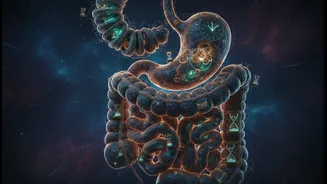
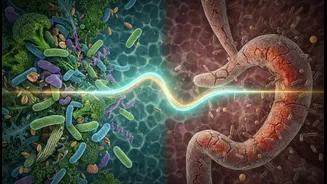
Just like the liver and pancreas, our gastrointestinal tract operates on a daily rhythm. This affects gut motility (the movement of food through the digestive system), nutrient absorption, and the integrity of the gut barrier. Furthermore, the trillions of microbes living in our gut—the gut microbiome—also have their own circadian rhythms. This microbial clock is influenced by our eating patterns. When we eat at regular times, it helps maintain a stable and diverse microbial community. Conversely, irregular eating patterns, like those common in shift work or from frequent late-night snacking, can throw these microbial rhythms into disarray, potentially leading to inflammation and a 'leaky gut'.
Potential Benefits for Gut Health
Aligning your meals with your body's clock can have several benefits for your gut. Research suggests that an earlier eating window, often called early time-restricted feeding (eTRF), promotes a healthier gut microbiome. Studies have shown that eating most of your calories earlier in the day and finishing your last meal in the late afternoon can increase the abundance of beneficial bacteria. These microbes are known for producing short-chain fatty acids (SCFAs), compounds that are vital for gut barrier integrity and reducing inflammation. In contrast, late-night eating has been associated with a decrease in microbial diversity and an increase in bacteria linked to negative metabolic outcomes.
Putting Chrononutrition into Practice
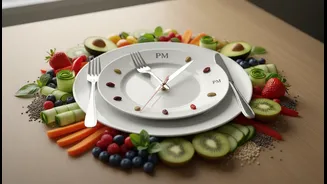
Adopting chrononutrition doesn't have to be complicated. A good starting point is to establish a consistent daily eating window, for instance, from 8 a.m. to 6 p.m. This gives your digestive system a predictable schedule and a significant overnight fasting period, which supports cellular repair processes. Try to make breakfast and lunch your main meals, and keep dinner lighter and earlier. Prioritising whole foods, protein, and fibre during your eating window can also help stabilise blood sugar and keep you feeling full. The goal isn't rigid perfection, but rather a gradual shift towards eating in a way that honours your body's natural rhythms.