






The Monsoon’s Other Side
The annual monsoon is an experience that defines Mumbai. It brings relief from the sweltering heat but also predictable challenges. Yet, for those willing to venture into the city's green pockets, the rains unveil a spectacular transformation. Beyond
the grey skies and concrete, a vibrant, almost otherworldly spectacle unfolds. This isn't about the usual greening of landscapes; it’s about a specific, magical phenomenon that turns parts of the region into something out of a fantasy film. The Western Ghats, which cradle the city, become a hotspot for biodiversity, showcasing everything from rare wildflowers to fungi that literally glow in the dark.
An Ethereal Glow in the Forest
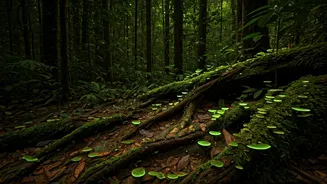
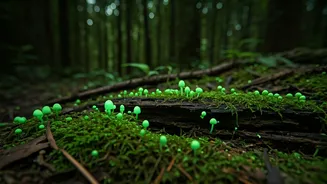
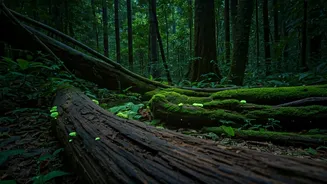
The star of this seasonal show is a bioluminescent fungus, typically from the Mycena genus. This tiny mushroom thrives on decaying wood, and when the monsoon provides the perfect mix of intense rain and humidity, it emits an ethereal green light. This natural glow is the result of a chemical reaction involving an enzyme called luciferase. Trekkers and nature enthusiasts who venture into forests near Mumbai after dark, especially after a heavy downpour, are treated to this surreal sight. Rotting twigs, fallen leaves, and tree trunks come alive with a soft, otherworldly luminescence, transforming the forest floor into a glowing carpet. While scientists are still debating the exact purpose of this glow—it might attract insects to spread spores or warn predators—there's no denying its captivating beauty.
Where to Find the Magic
This enchanting phenomenon isn't confined to remote jungles. It can be witnessed in several areas in and around the Mumbai Metropolitan Region. The Bhimashankar Wildlife Reserve, about 100 kilometres from Mumbai, is one of the most famous spots for its glowing forests during the monsoon months of June to October. Similar displays have been reported in the forests of Matheran, the Mhadei Wildlife Sanctuary in nearby Goa, and along the Chorla Ghats on the Goa-Maharashtra border. For Mumbaikars, closer options like the verdant trails of Sanjay Gandhi National Park (SGNP) and the Yeoor Hills in Thane offer a chance to spot this natural light show, provided you have a bit of luck and the right conditions.
A Carpet of Wildflowers
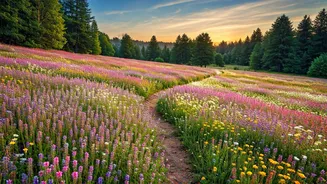
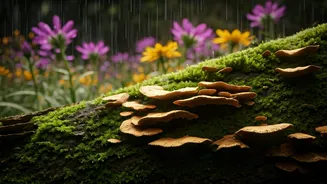
The glow-up isn't just a nocturnal affair. The monsoon also triggers a burst of colourful wildflowers across the region. Before the heaviest rains begin, the rising humidity and sunlight encourage a variety of flowers to bloom, dotting the landscape with yellow, purple, and pink. Species like the fiery Flame Lily (Gloriosa superba), delicate Pink Balsams, and the golden-hued Smithia hirsuta carpet plateaus and forest undergrowth. The Kaas Plateau near Satara, known as Maharashtra's Valley of Flowers, becomes a breathtaking tapestry of tiny, numerous blossoms post-monsoon. Even within city limits, areas like Kharghar Hills and the less-manicured parts of local parks reveal pockets of these resilient, beautiful blooms, rewarding observant city-dwellers.
A Deeper Connection to the City
This seasonal spectacle does more than just add beauty; it reframes the city's relationship with the monsoon. It encourages residents to look past the inconveniences and discover the resilience and wonder of the natural world coexisting within a dense urban jungle. The search for glowing mushrooms or a walk to spot wildflowers offers a moment of tranquility and connection. It's a reminder that the city's ecosystem is complex and full of surprises. These natural events, from the quiet glow of a fungus to the vibrant explosion of a flower, highlight the rich biodiversity of the Western Ghats and offer a chance to appreciate the magic that unfolds when the skies open up.