





The Monsoon's Effect On Your Body
The shift from summer to the monsoon brings a significant change in the environment, marked by higher humidity and fluctuating temperatures. According to both traditional Ayurvedic wisdom and modern science, this change affects our bodies, particularly
our digestive system. The high humidity can slow down our metabolism and weaken our 'digestive fire', making us more susceptible to bloating, indigestion, and other gut-related issues. Furthermore, the moist environment is a breeding ground for bacteria, increasing the risk of waterborne and airborne infections. This is why nutritionists and health experts emphasize shifting to lighter, warmer, and freshly cooked meals that are easy to digest and help bolster the immune system.
Embrace Monsoon Gourds for Gut Health
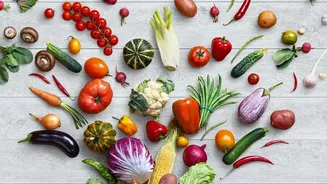
August brings a bounty of gourds, and they are nutritional powerhouses perfect for the season. Vegetables like bottle gourd (lauki), bitter gourd (karela), and ridge gourd (turai) are staples in Indian households for a reason. Bottle gourd, with its high water content, is incredibly hydrating and easy on the stomach, often recommended in soups or light curries. Despite its challenging flavour for some, bitter gourd is lauded for its immunity-boosting and anti-inflammatory properties. It helps regulate blood sugar and supports liver function, which is crucial during a season when the body works overtime to fight infections. These vegetables are high in dietary fibre and low in calories, promoting good digestion and helping you feel full without being heavy.
The Magic of Monsoon Fruits
While many fruits are available year-round, some shine brightest during the monsoon. Jamun (Indian blackberry) is a seasonal favourite for August. This deep purple fruit is packed with Vitamin C and antioxidants, which are vital for a strong immune system. It's also known to aid digestion and has antimicrobial properties. Other seasonal gems include peaches, plums, and pears, which are rich in vitamins and help provide the body with essential nutrients to fight off seasonal illnesses. Nutritionists advise washing all produce thoroughly and preferring fresh, whole fruits over pre-cut ones to avoid contamination.
Corn: The Quintessential Monsoon Snack
The sight and smell of roasted corn on the cob, or bhutta, is synonymous with the Indian monsoon. Far from being just a comforting street-side snack, corn is a healthy choice for this season. It is a dry food, which is recommended during the humid monsoon to avoid water retention issues. Corn is a good source of fibre, which aids digestion, and contains essential nutrients that provide a steady release of energy. Whether you enjoy it roasted with lime and salt or boiled in a soup, corn is a versatile and nutritious addition to your August diet.
Immunity-Boosting Spices and Herbs
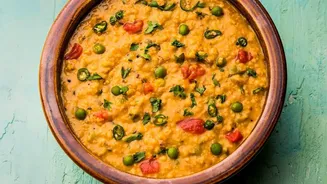
Indian cooking traditionally incorporates a variety of spices that are particularly beneficial during the monsoon. Spices like turmeric, ginger, garlic, and black pepper are not just for flavour; they have powerful medicinal properties. Ginger and garlic are known for their natural anti-inflammatory and antimicrobial qualities, helping the body combat infections. Turmeric is a potent natural antibiotic and immunity booster. Adding these warming spices to soups, dals, and vegetable preparations can aid digestion, boost metabolism, and provide a comforting warmth that is much needed during the cool, rainy days.