




The Monsoon Digestive Challenge
When the rains arrive, the environment changes, and so does our body's internal balance. The high humidity can dampen our digestive fire, leading to a sluggish system. This makes issues like bloating, acidity, and indigestion more common. Furthermore,
the moist conditions are a breeding ground for bacteria and viruses, increasing the risk of water and food contamination that can lead to infections like gastroenteritis and diarrhoea. It’s a time when our immunity naturally takes a dip, making a resilient gut more important than ever. This is why many people experience a noticeable increase in stomach-related ailments during this season.
Ancient Wisdom: The Power of Fermentation
Long before 'probiotics' became a wellness buzzword, Indian kitchens were harnessing the power of fermentation. This traditional process involves beneficial microorganisms like bacteria and yeast breaking down the natural sugars in food. This not only preserves the food but also transforms it into a powerhouse of gut-friendly probiotics, or good bacteria. These live microorganisms are the key to maintaining a healthy gut microbiome, which is the community of trillions of bacteria living in your digestive tract. A balanced microbiome is essential for smooth digestion, better nutrient absorption, and a strong immune system.
Achaar: Not Just a Flavour Enhancer
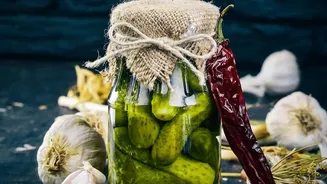
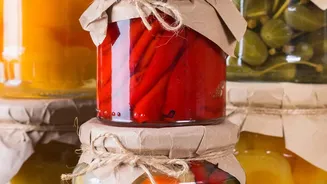
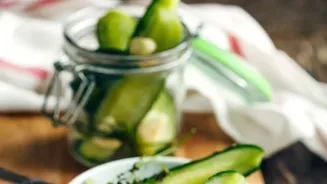
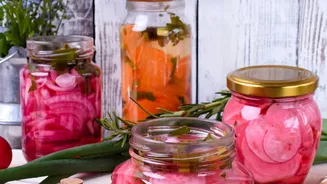
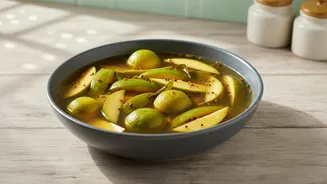
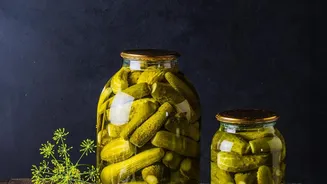
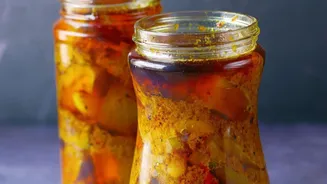
The humble achaar, or Indian pickle, is often seen as a mere condiment to spice up a meal. However, traditionally prepared pickles are a potent source of probiotics. When vegetables or fruits are fermented naturally in salt, oil, and spices without the use of vinegar, beneficial bacteria like Lactobacillus flourish. These bacteria help break down food more efficiently, reduce bloating, and support the gut lining. The key is to choose homemade or traditionally lacto-fermented pickles, as many commercially produced versions use vinegar and preservatives that can kill these beneficial microbes. A small serving with your meal can introduce a dose of these friendly bacteria, aiding digestion, especially of heavier meals.
Kanji and Curd: Probiotic Drinks to the Rescue
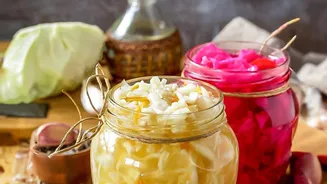
Beyond pickles, traditional fermented drinks are excellent for monsoon wellness. Kanji, a North Indian beverage made by fermenting black carrots or beetroot with mustard seeds and water, is a tangy, probiotic-rich drink known to aid digestion. The fermentation process creates a beverage that is not only refreshing but also helps cleanse the gut. Perhaps the most common and accessible fermented food in India is curd, or dahi. Homemade curd is packed with live bacterial cultures that cool the stomach, improve digestion, and can help restore gut balance. Its lighter cousin, chaas (buttermilk), is equally beneficial, helping with hydration and easing bloating after meals, making it a perfect monsoon digestive aid.
Incorporating Fermented Foods Safely
While these traditional foods offer immense benefits, it's important to consume them correctly. Moderation is key, especially with pickles, which can be high in salt and oil. A small portion is enough to reap the digestive benefits. Always opt for freshly prepared fermented foods. For instance, idli and dosa batter, when fermented naturally overnight, makes for a light and easily digestible meal perfect for a sensitive monsoon stomach. When it comes to curd, homemade is often best, as it ensures live and active cultures without added sugars. By re-introducing these age-old food traditions into our diet, we can naturally support our digestive system and build resilience against common seasonal ailments.