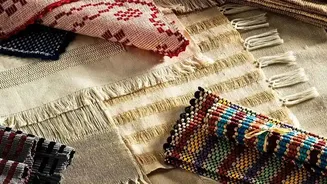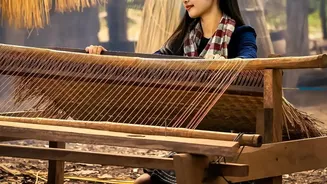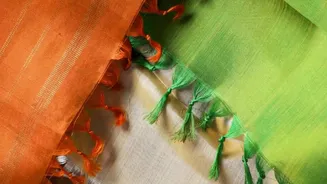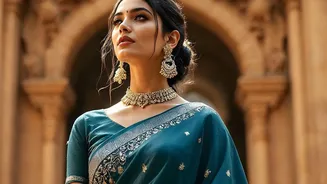

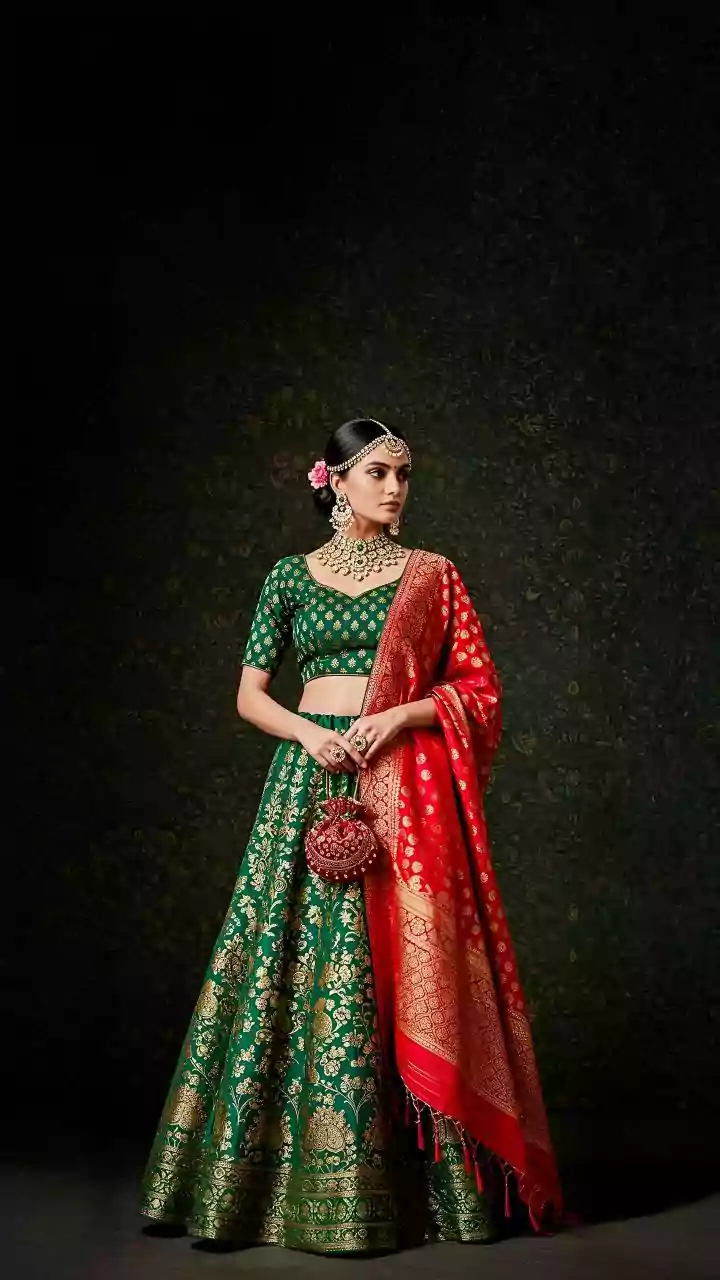
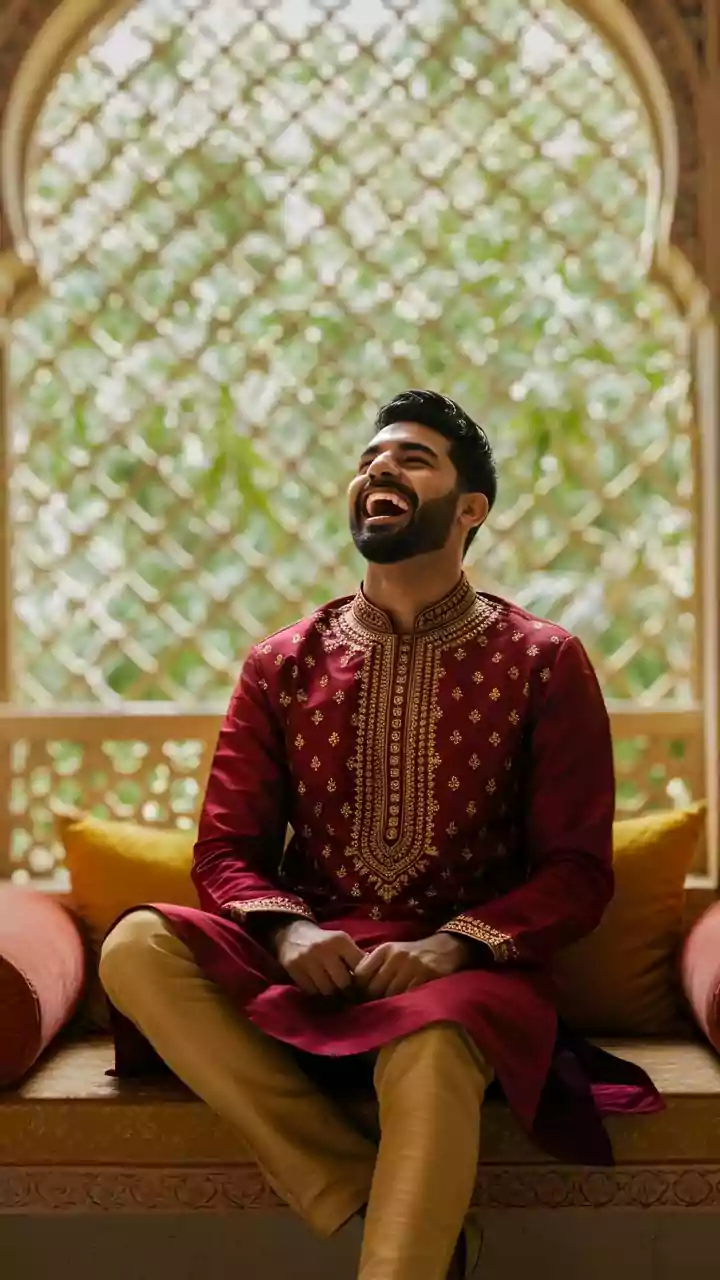

A quiet revolution is reshaping India’s fashion landscape. Beyond the glare of fast fashion, a growing movement sees young consumers turning to the vibrant, story-rich world of regional fabrics, from artisanal bazaars to curated online storefronts.
The Old Model Gets a Digital Makeover
For
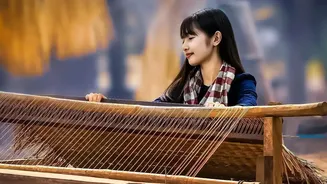
generations, the journey of a handcrafted textile from a village loom to an urban wardrobe was long and convoluted. It passed through multiple middlemen, each taking a cut, leaving the artisan with a fraction of the final price. This system not only squeezed the creators' incomes but also obscured the fabric's origin story, reducing a piece of cultural heritage to a mere commodity. Today, that model is being disrupted. A new ecosystem of direct-to-consumer platforms—ranging from bustling physical markets like Dastkar's Bazaars to government-backed and private e-commerce sites like India Handmade, iTokri, and Okhai—is creating a direct bridge between the artisan and the buyer. By eliminating intermediaries, these platforms ensure that craftspeople receive fairer compensation and retain control over their creative and economic destinies.
More Than a Transaction, It's a Story
What makes these new marketplaces so compelling, especially for younger buyers, is their focus on narrative. Instead of just selling a product, they sell a story. A shopper can learn about the Khatri community in Kutch that has perfected Ajrakh block-printing over generations, or understand the painstaking, multi-stage process behind a double-Ikat saree from Patan. Websites and social media feeds showcase the faces of the artisans, videos of the dyeing and weaving process, and the cultural significance of the motifs. This transparency transforms a purchase into an act of connection. Buyers aren't just acquiring a beautiful garment; they are investing in a person, a community, and the preservation of a timeless skill. This focus on authenticity provides a powerful antidote to the anonymity of mass-produced fashion.
Why Youth Are Buying In
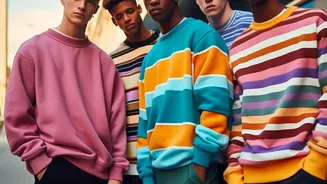
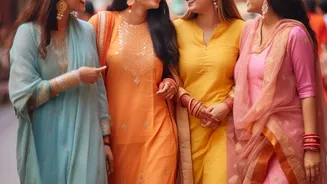
The renewed interest among young Indians is driven by a confluence of modern values. Firstly, there's a growing desire for individuality. In a world saturated with global trends, a hand-block printed kurta or a unique Bandhani scarf offers a way to stand out. Secondly, sustainability has become a crucial factor for millennial and Gen Z consumers. They are increasingly aware of fast fashion's environmental toll and are drawn to handloom's use of natural fibres and eco-friendly dyes. Thirdly, there is a burgeoning sense of cultural pride. Wearing a piece of India's textile heritage is a way to connect with one's roots and make a statement that is both stylish and deeply personal. Designers are also fuelling this trend by reinterpreting traditional fabrics into contemporary silhouettes like jackets, dresses, and co-ord sets, making heritage cool and accessible.
The Stars of the Revival
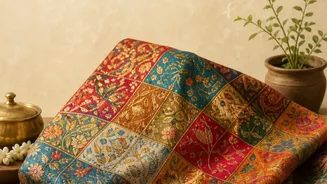
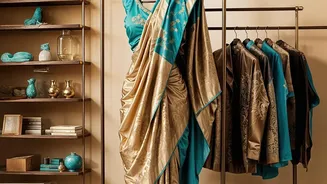
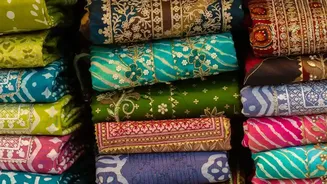
Several iconic fabrics are at the forefront of this resurgence. Ajrakh, with its deep indigo and madder red geometric patterns from Gujarat and Rajasthan, has transitioned from traditional attire to a high-fashion fabric seen on global catwalks. Ikat, known for its signature blurred designs created by tieing threads before weaving, is being celebrated for its bold aesthetic. Chanderi from Madhya Pradesh, loved for its lightweight and sheer texture, and the rich silks of Banaras and Kanjeevaram are also finding new life. These textiles are being styled in innovative ways—a handloom saree paired with sneakers, or a traditional dupatta draped over a t shirt and jeans—proving their versatility and timeless appeal in modern wardrobes.
An Engine for Empowerment
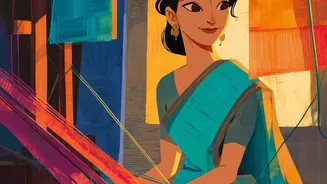
The impact of this direct market model extends far beyond fashion. For the estimated 7 million plus artisans in India, many of whom are women in rural areas, it is a powerful engine for socio economic empowerment. Organisations like Dastkar, founded in 1981, have demonstrated that direct market access is not just a sales platform but an education in market value and consumer demand. By earning a fair wage, artisans can invest in their craft, their families education, and their communities futures, ensuring that these invaluable skills are not lost to economic hardship but are passed down with pride. This movement provides a sustainable livelihood, turning cultural heritage into a viable and dignified profession.