





The Power of Neem Oil
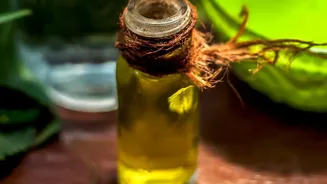
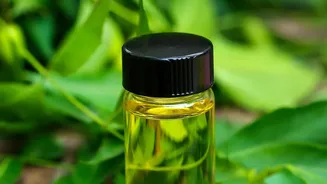
Derived from the seeds of the neem tree, neem oil is a cornerstone of organic gardening for good reason. It's a versatile, naturally occurring pesticide, fungicide, and miticide that tackles a wide array of common garden problems. The key active ingredient,
Azadirachtin, works in multiple ways. It can act as a repellent, disrupt an insect's hormones to halt its growth and reproduction, and reduce its appetite, causing it to stop feeding on your plants. This makes it a formidable tool against soft-bodied insects in particular. When you use 100% cold-pressed neem oil, you ensure all these beneficial natural compounds are present and active.
Why You Must Add Soap
As you know, oil and water don't mix. If you simply add neem oil to water, it will float on the surface, resulting in an uneven and ineffective spray. This is where mild soap comes in. The soap acts as an emulsifier, a binding agent that allows the oil and water to blend into a stable, milky solution. This ensures every drop of your spray contains the pest-fighting power of neem. It's crucial to use the right kind of soap. Opt for a pure, mild liquid soap like Castile soap. Avoid using harsh detergents or dish soaps with degreasers and strong perfumes, as these can be too harsh and may damage plant leaves.
Your Simple Recipe for Success
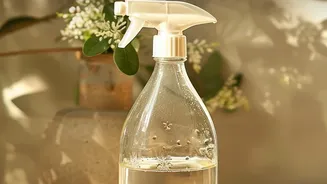
Creating your own neem oil spray is incredibly easy. This recipe is for a standard 1-litre batch, perfect for most home garden needs. You will need a clean 1-litre spray bottle, warm water, 100% cold-pressed neem oil, and mild liquid soap. The general ratio is simple: for every 1 litre of warm water, you will add 1-2 teaspoons (5-10 ml) of neem oil and about half a teaspoon (2.5 ml) of mild soap. Using warm water helps the oil and soap emulsify more easily. Always start with a more diluted mixture if you are new to using neem oil.
Step-by-Step Mixing Instructions
For the most effective mixture, follow this order. First, fill your spray bottle with 1 litre of warm water. Next, add the half teaspoon of mild liquid soap to the water and give it a gentle swirl to mix without creating too many suds. Then, slowly add your 1-2 teaspoons of neem oil to the soapy water. Screw the lid on tightly and shake the bottle vigorously. The solution should turn a cloudy, milky colour, indicating the oil and water have successfully emulsified. It is important to use this mixture within eight hours, as the active components in neem oil begin to break down once diluted.
How to Apply for Best Results
The best time to spray your plants is in the early morning or late evening, when the sun is not directly on the foliage. Applying in direct sunlight or high heat can cause the oil to burn the leaves. Before treating an entire plant, always perform a patch test. Spray a small, inconspicuous area and wait 24-48 hours to check for any signs of damage or stress. Once you know your plant tolerates the spray, apply it thoroughly, making sure to cover the tops and, most importantly, the undersides of leaves where pests like aphids, spider mites, and whiteflies love to hide. Shake the bottle frequently during application to keep the solution well-mixed.
Pests and Diseases Controlled
Neem oil spray is effective against a wide range of common garden nuisances. It helps control soft-bodied pests such as aphids, mealybugs, whiteflies, thrips, and spider mites. It also works on the immature stages of insects like caterpillars and certain beetle larvae. Beyond insects, neem oil has fungicidal properties and can help prevent or control the spread of fungal diseases like powdery mildew, black spot, and rust when used as part of a regular preventative routine.
Important Precautions to Remember
While neem oil is a natural product, it should be used responsibly. Avoid spraying on plants that are stressed from drought or recent transplanting. Some plants with delicate or fuzzy leaves, like certain succulents, fuchsias, or hibiscus flowers, can be sensitive, so a patch test is non-negotiable. Though considered safer for the environment, neem oil can still harm some beneficial insects if they are directly sprayed. Applying in the evening helps minimise contact with active pollinators like bees. For an active infestation, you may need to reapply every 7 days. For preventative care, applying every 14 days is often sufficient.