




The Magic of Diffused Light
One of the biggest advantages of shooting during the monsoon is the quality of light. Overcast skies act as a giant, natural softbox, diffusing the harsh Indian sun. This soft, even lighting dramatically reduces hard shadows and blown-out highlights,
allowing the camera to capture a wider range of tones. The result is a moody, atmospheric quality that is difficult to replicate on a clear day. This light is perfect for capturing the subtle textures of wet rocks, the rich greens of foliage, and serene portraits where subjects aren't squinting against the sun. The moments just before or after a downpour can be especially magical, with soft, golden light filtering through the clouds.
Vibrant and Saturated Colours
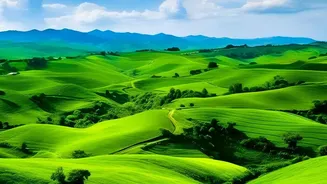
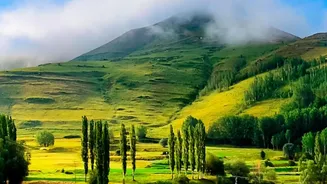
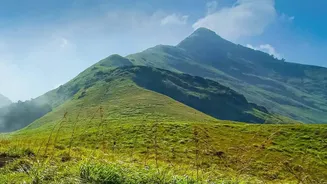
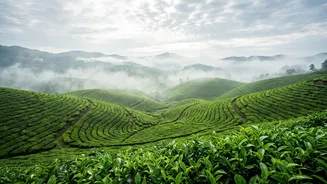
The monsoon washes away the dust and grime that settles on the landscape during the dry months. This cleansing effect makes colours appear incredibly vibrant and saturated. The greens of the hills and forests become deeper and more lush, the browns of the wet earth turn rich, and wildflowers burst forth in a riot of colour in places like the Kaas Plateau in Maharashtra and the Valley of Flowers in Uttarakhand. This natural boost in colour saturation means less work in post-processing is needed to make your images pop. The rain enhances the contrast between different elements in the frame, making for dynamic and visually compelling compositions.
Dramatic Skies and Moody Atmospheres
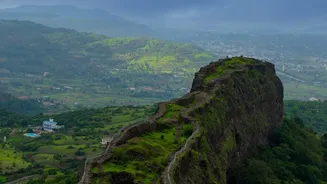
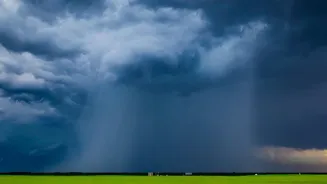
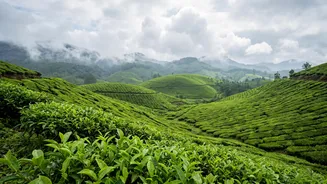
Clear blue skies can often be uninteresting in a landscape photo. The monsoon, however, brings dramatic, ever-changing cloud formations that add a sense of scale and emotion to an image. From dark, brooding storm clouds to low-hanging mist that weaves through valleys, the sky becomes an active element in your composition. In hill stations like Munnar, Lonavala, and Shillong, you can witness clouds moving at eye level, creating ethereal, layered landscapes. This constant movement of mist and fog means the same scene can offer a dozen different moods within a single hour, rewarding patient photographers.
The Power of Water in Motion
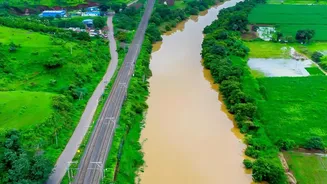
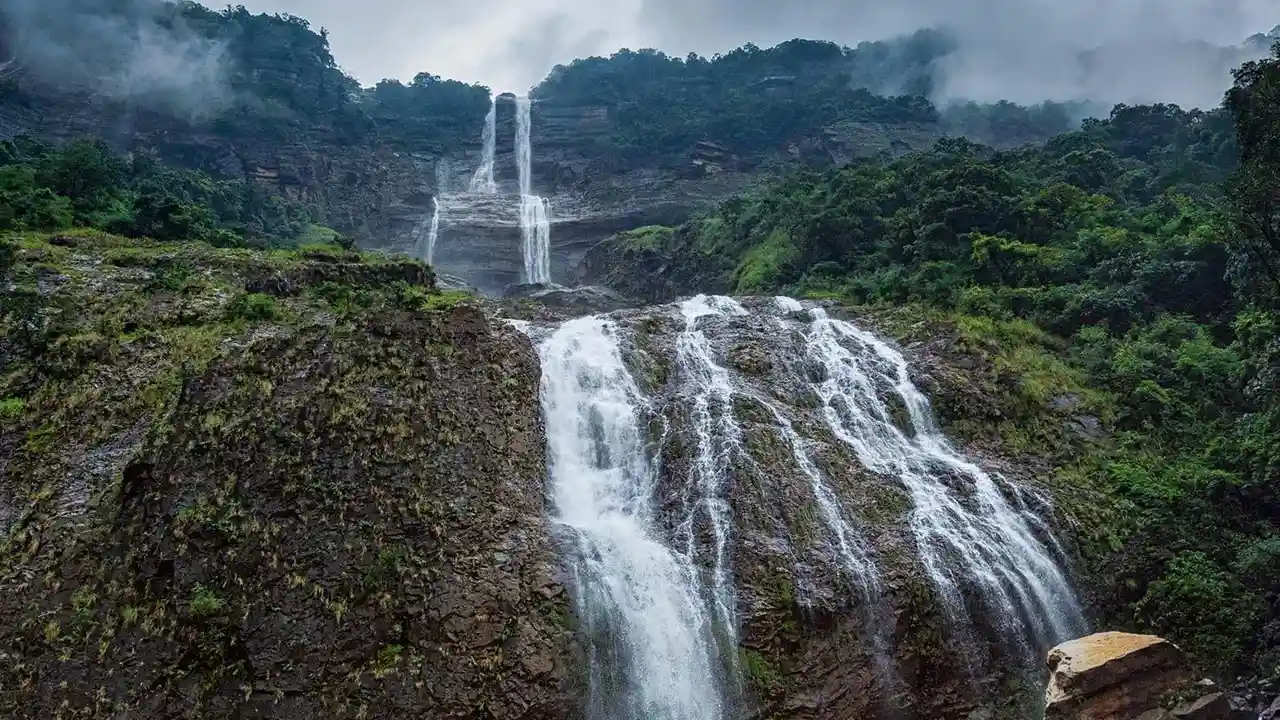
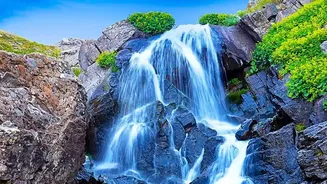
Water is the star of the monsoon, and learning to photograph it can elevate your portfolio. Waterfalls, which may be trickles for the rest of the year, roar to life with immense power. Using a tripod and a slow shutter speed allows you to capture the water's flow as a silky, milky blur, adding a sense of motion and grace to the scene. This technique works beautifully for the countless streams and rivers that swell during this season. Look for opportunities to include these powerful water bodies as leading lines or focal points in your landscapes to guide the viewer's eye through the frame.
Reflections and Intimate Details
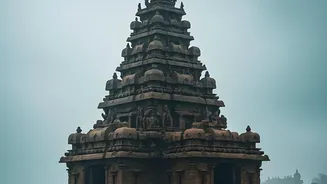
The rain-soaked environment is full of reflective surfaces that can be used for creative compositions. Puddles on a city street can mirror historic architecture, while a still pond can perfectly reflect a misty mountain range, adding depth and symmetry to your shots. Beyond grand vistas, the monsoon is a treasure trove for macro photography. Look closer for water droplets clinging to a spider's web, the intricate patterns on a wet leaf, or colourful fungi emerging from a tree trunk. These small, intimate scenes tell a quieter story of the season's impact and can result in stunning, abstract images.
A Note on Safety and Gear
While creatively rewarding, monsoon photography requires preparation. Protecting your equipment is paramount. Invest in a good waterproof camera cover or even a dedicated waterproof housing. Always carry a microfiber cloth to wipe your lens and keep your gear in a waterproof backpack when not in use. For your own safety, be cautious of slippery rocks near waterfalls and streams, and always check weather advisories before heading out, especially in landslide-prone areas. Wearing shoes with a good grip is essential for navigating wet and muddy trails safely.