




The Foundational Bodyweight Squat
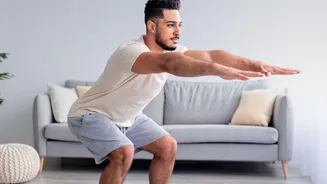
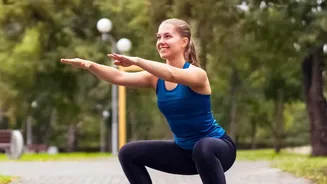
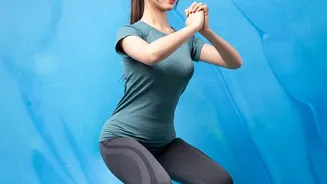
The squat is a powerhouse exercise that forms the foundation of any strength routine. It primarily targets your legs and glutes—the largest muscles in your body—but also requires core engagement to maintain balance and posture. To perform a squat correctly,
stand with your feet shoulder-width apart, with your toes pointing slightly outward. Keeping your chest up and your back straight, hinge at your hips as if you are sitting back into a chair. Lower yourself until your thighs are parallel to the floor, ensuring your knees track over your feet but not past your toes. Push through your heels to return to the starting position. If you're just starting, try performing squats in front of a chair, lightly tapping it with your glutes before standing back up to perfect your form.
The Accessible Incline Push-Up
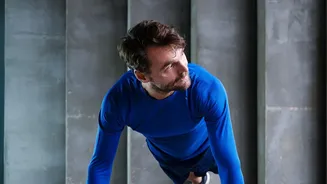
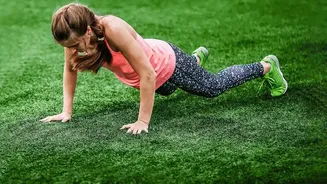
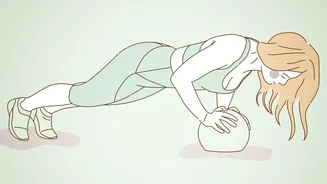
The push-up is a classic upper-body exercise that strengthens your chest, shoulders, and triceps, while also engaging your core. For many beginners, a standard floor push-up is too challenging at first. The incline push-up is the perfect modification. Find a sturdy, elevated surface like a countertop, a stable table, or even a wall. The higher the surface, the easier the exercise will be. Place your hands slightly wider than your shoulders on the surface. Step your feet back until your body forms a straight line from your head to your heels. Brace your core, bend your elbows to lower your chest toward the surface, then press back up powerfully. Avoid letting your hips sag; your body should move as one solid unit.
The Core-Strengthening Plank
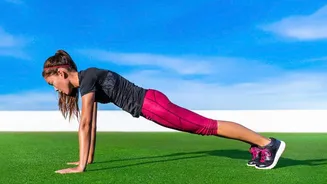
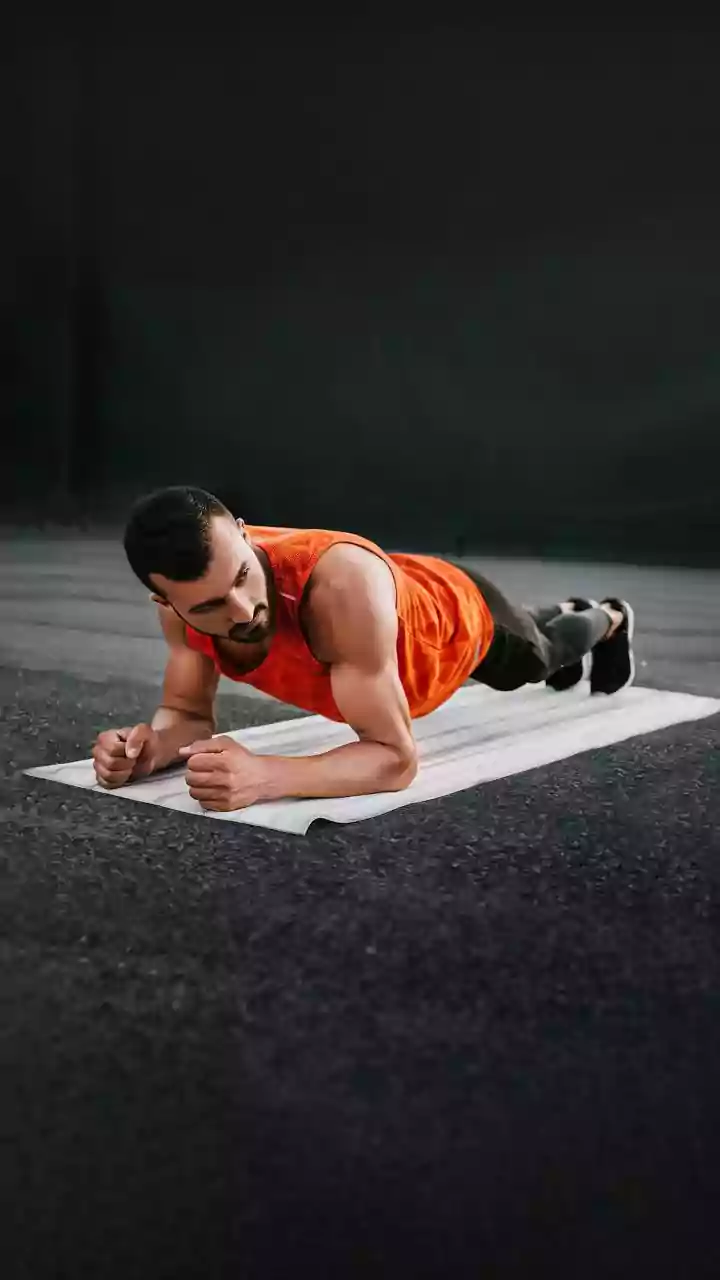
A strong core is essential for almost every movement you make, and the plank is one of the best exercises to build it. It teaches you to brace your entire body, improving stability and posture. To get into a forearm plank, lie on your stomach and then prop yourself up on your forearms and toes. Ensure your elbows are directly under your shoulders and your body forms a straight, rigid line from head to heels. Engage your core and glutes to prevent your lower back from arching or your hips from dropping. Keep your gaze on the floor just in front of your hands to maintain a neutral neck position. Hold this position for as long as you can while maintaining good form, starting with a goal of 20 to 30 seconds and building from there.
The Powerful Glute Bridge
Many of us spend our days sitting, which can lead to weak glutes and lower back discomfort. The glute bridge directly targets your posterior chain—your glutes and hamstrings—to build strength and stability. Lie on your back with your knees bent, feet flat on the floor about hip-width apart, and your arms resting by your sides. Engage your core and squeeze your glutes to lift your hips off the floor until your body forms a straight line from your shoulders to your knees. Pause at the top for a moment before slowly lowering your hips back to the starting position. This exercise is excellent for activating the glutes and serving as part of a warm-up or the main workout.
Putting It All Together: Your First Routine
Consistency is more important than intensity when you're starting out. A great way to begin is by combining these exercises into a simple circuit. Before you start, warm up for 5-10 minutes with light cardio like jogging in place or jumping jacks, followed by dynamic stretches like arm circles and leg swings. Then, perform each of the exercises for a set number of repetitions or a set time. A good starting point is to complete 2 sets of 10-15 reps for each exercise, with 30-60 seconds of rest in between. This entire circuit should take around 15 to 20 minutes. Aim to do this routine two to three times a week on non-consecutive days to allow your muscles time to recover and grow stronger.