


The quest for a perfectly crisp, golden-brown dosa is a noble one, often met with the disappointment of a soggy centre. The culprit isn't always the batter or the pan; it's often the accompaniments we love so much.
The Science of the Sog
To understand why a dosa loses its crispness,
we must first understand the enemy: moisture. When a hot, brittle dosa comes into contact with a liquid, science takes over. The delicate, lace-like structure of a well-made dosa is full of air pockets created during fermentation. This structure is what makes it light and crisp. However, when a watery substance like a thin sambar or runny chutney is applied, that liquid is quickly absorbed. The water turns to steam, which gets trapped and softens the dosa from the inside out, turning that satisfying crunch into a disappointing limpness. Essentially, the dosa is steaming itself, and steam is the antithesis of crispiness.
Chutney: A Dosa's Best Friend or Worst Enemy?
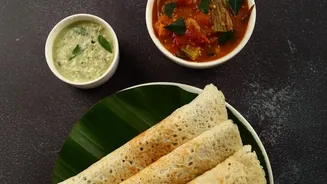
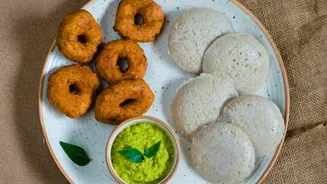
This brings us to the chutney. Not all chutneys are created equal when it comes to preserving a dosa's integrity. A heavy, watery chutney acts just like any other liquid, seeping into the dosa and compromising its texture almost immediately. The headline is correct: a thin spread is superior, but the consistency of the chutney itself is paramount. A thick, coarse chutney has less free-moving water to donate to the dosa. Think of it as a flavourful paste rather than a sauce. Its lower water activity means it is less likely to migrate into the dosa's structure. This is why many restaurants serve a thicker style of coconut or peanut chutney specifically for dosas, while a slightly more watery version might be paired with soft idlis, which are meant to absorb moisture.
The Art of Application
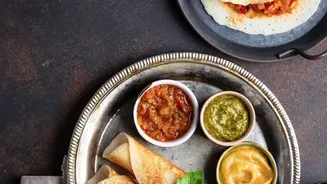
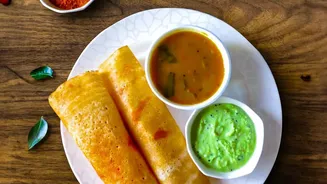
How you apply the chutney matters as much as what you apply. Spreading a very thin layer of a thick chutney inside the dosa before folding can infuse it with flavour without creating a moisture bomb. The heat from the dosa can even slightly cook the chutney, reducing its moisture content further. The worst offence against a crisp dosa is dolloping a large spoonful of watery chutney on top. This concentrates the moisture in one spot, creating a soggy patch that quickly spreads. The best practice, embraced by purists, is to serve all accompaniments on the side. Tear off a piece of the crisp dosa, and dip it just before eating. This method ensures that every single bite has that perfect combination of crunch from the dosa and flavour from the chutney, without any textural compromise.
Beyond Chutney: Other Crisp-Killers
Chutney is not the only potential saboteur. The beloved potato masala filling, or 'bhaji', can also be a source of sogginess if it's too wet. A good dosa masala should be relatively dry and crumbly, not a watery curry. Similarly, while sambar is a classic partner, pouring it over the dosa is a guaranteed way to ruin its crispiness. Sambar is best served in a separate bowl for dipping. This allows you to control the experience, enjoying the crunchy texture of the dosa on its own or dipping it for a burst of soupy, savoury flavour. The rule is simple: any wet ingredient should be served alongside the dosa, not on top of it.
Tips for Maximum Crispiness from the Start
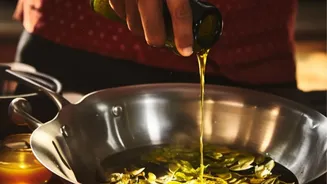
Of course, your accompaniments can only preserve the crispiness that's already there. Achieving that perfect texture begins with the dosa itself. First, ensure your batter is properly fermented and has the right consistency—pourable, like thick buttermilk, but not heavy. Second, the pan temperature is crucial. A pan that's too cool will steam the dosa, while one that's too hot will cook it before you can spread it thinly. A popular test is to sprinkle water on the 'tawa'; if the droplets sizzle and dance before evaporating, the temperature is just right. Finally, spread the batter thin and cook patiently, drizzling a little ghee or oil around the edges to help it brown and crisp up beautifully.