






Let Go of the Matching Myth
For years, design dogma suggested that harmony came from uniformity. If you chose brushed nickel for your faucet, every other metallic element in the room had to follow suit. This approach, however, often results in a space that feels flat, sterile, and
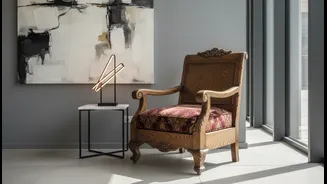
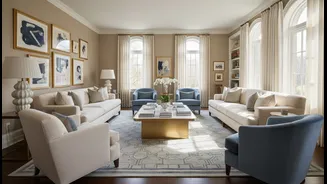
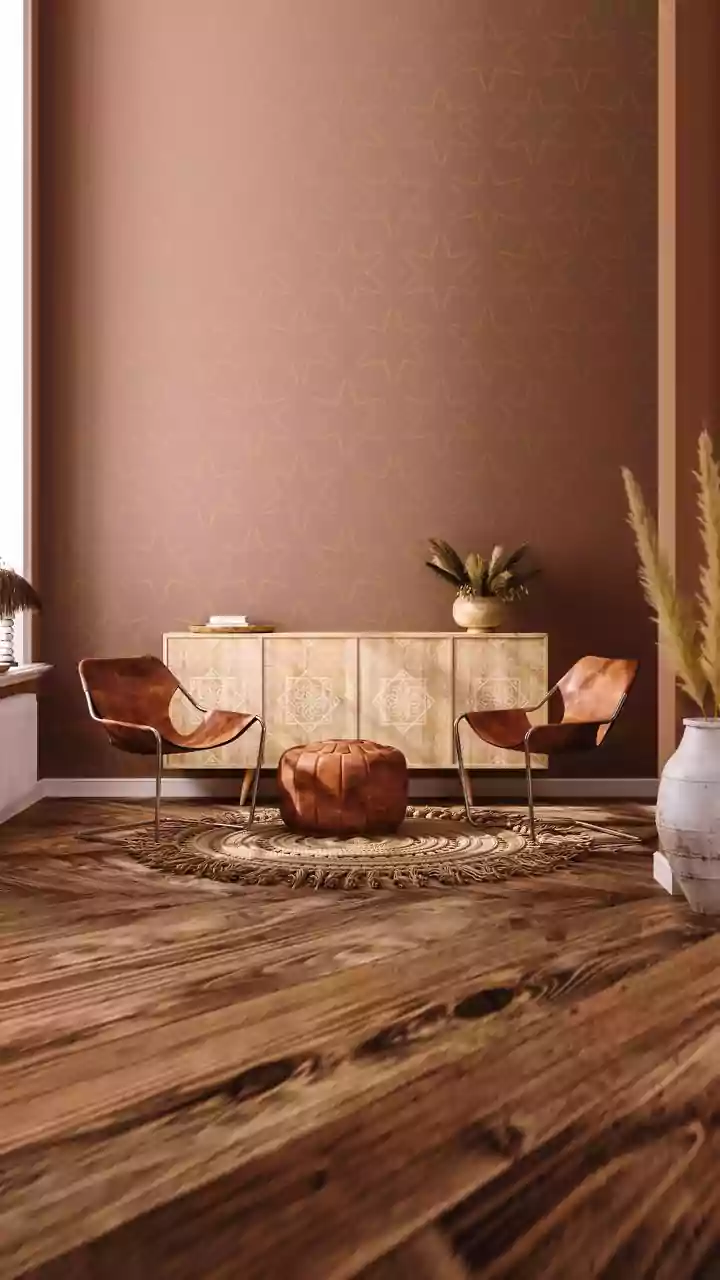
more like a showroom than a home. Contemporary design embraces a more curated and eclectic approach. Mixing finishes, whether it’s different metals, various wood tones, or a variety of textures, adds depth, character, and visual interest. It tells a story of a home that has evolved, filled with pieces collected over time rather than purchased as a single, matching set.
Choose a Dominant Finish
The key to successfully mixing finishes is not chaos, but controlled variety. The first step is to choose a dominant metal or wood tone to act as the room’s anchor. This finish will be the most prominent, setting the overall tone. For example, in a kitchen, your dominant metal might be the stainless steel of your appliances. In a living room, it could be the warm oak of your flooring. This primary finish will ground the design, allowing other accent finishes to complement it without overwhelming the space. Aim for a balance where the dominant finish makes up roughly 60-70% of the finishes in the room.
Mixing Metals like a Pro
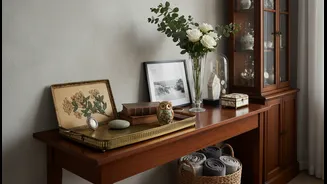
When mixing metals, it helps to be intentional. A good strategy is to limit yourself to two or three different types to avoid a cluttered look. One popular approach is to pair warm-toned metals (like brass, copper, and gold) with cool-toned ones (like chrome, nickel, and stainless steel). A dramatic matte black can also act as a neutral, pairing beautifully with both warm and cool metals like brushed brass or polished nickel. To ensure the look feels deliberate, distribute your chosen metals throughout the space. If you have a brass light fixture, for instance, echo that finish in smaller items like cabinet pulls or a picture frame to create a sense of rhythm.
Weaving in Different Wood Tones
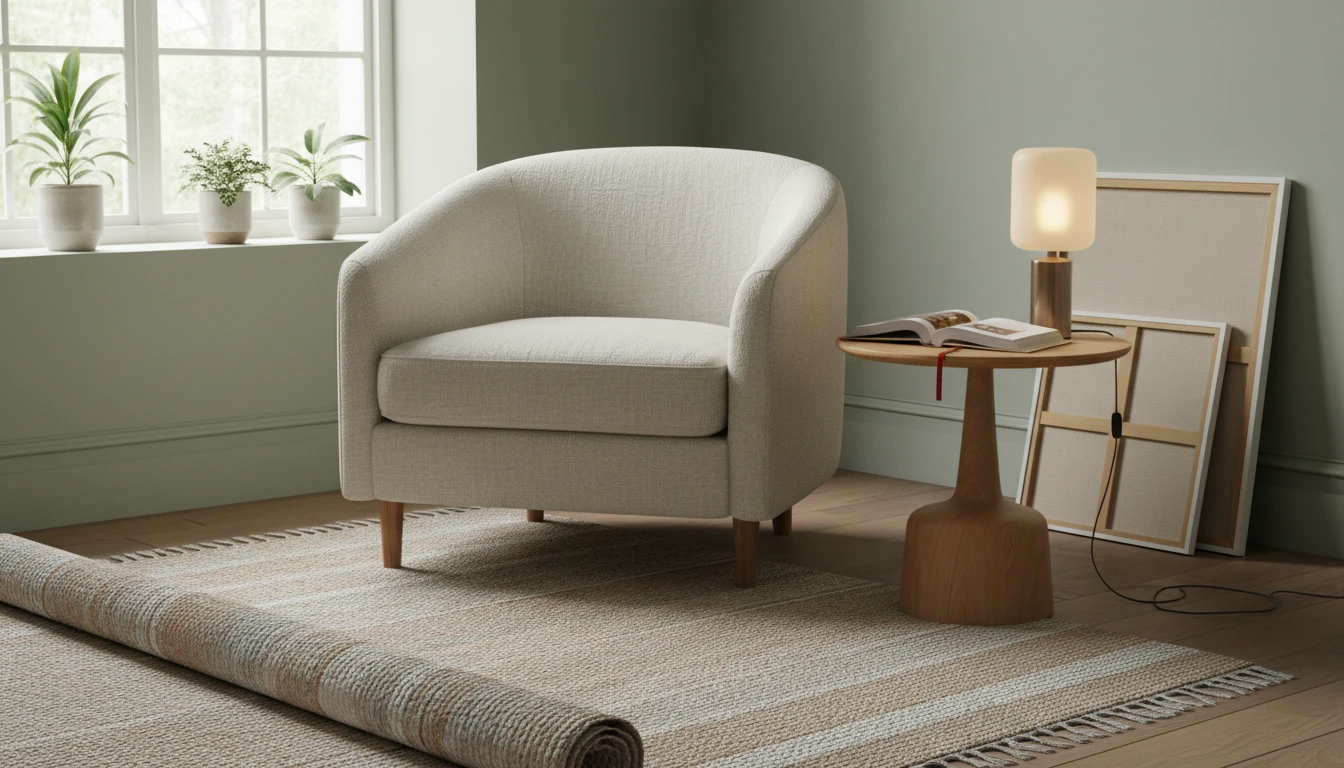
The same principles apply to mixing wood. The fear of clashing wood tones leads many to buy matching furniture sets, but a mix is far more interesting. Start by identifying the undertone of your dominant wood. Woods, like metals, have warm (red, yellow) or cool (grey, ashy) undertones. As a general rule, warm woods pair well with other warm woods, but you can create a sophisticated look by mixing undertones intentionally. The key is to create contrast and allow each piece to stand on its own. A dark walnut dining table can look stunning on light oak floors, for example. Spacing the different tones out around the room helps create balance. You can also use a rug to create a visual break between a wooden floor and a wooden coffee table, allowing both to shine.
Don't Forget Texture
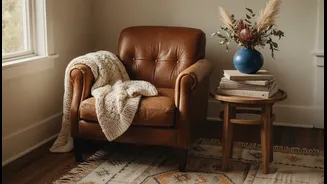
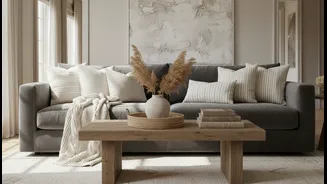
Finishes aren't limited to just metal and wood. Texture is a critical finish that brings warmth and depth to a room. Think about the interplay between different surfaces: a plush velvet sofa against a smooth leather chair, a chunky knit throw on a sleek wooden bench, or a rough-hewn stone fireplace next to a glossy metal accent. Layering different textures is essential for making a space feel rich and complete, especially in rooms with a neutral color palette. By mixing hard and soft, rough and smooth, you create a tactile experience that makes a room feel dynamic and thoughtfully designed.