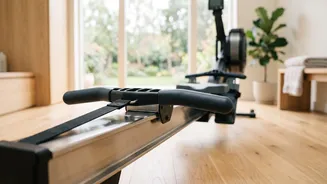




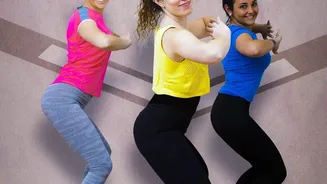


For All-Out Calorie Burn
When it comes to burning calories, intensity is key, and both activities can deliver. Vigorous rowing can burn between 400 and 700 calories per hour. However, don't underestimate the power of dance. High-intensity styles like street dance or swing can burn as
many, or even more, calories than running or cycling in the same amount of time. A 30-minute street dance class, for instance, was found to burn an average of 303 calories. Ultimately, the winner here depends on the style and your effort. A high-energy Zumba class may out-burn a moderate rowing session, while a vigorous 30-minute row will likely burn more than a slow waltz.
For Total-Body Muscle Toning
If your goal is to work as many muscles as possible in one session, rowing is the undisputed champion. The rowing stroke engages an estimated 86% of your muscles, making it a true full-body workout. The movement is powered primarily by the legs (about 60%), with the core and upper body also playing crucial roles, leading to balanced strength development in the glutes, hamstrings, back, and arms. Dancing also provides a full-body workout, but the specific muscles targeted vary dramatically by style. Ballet is excellent for building core stability and leg strength, while hip-hop engages the hip flexors and abdominals. While all dance strengthens the lower body, rowing offers a more systematic and comprehensive approach to building muscle across your entire posterior chain.
For a Healthier Heart
Both rowing and dancing are excellent forms of cardiovascular exercise that strengthen your heart and improve circulation. Rowing is a highly efficient aerobic workout that can significantly increase your cardiac output. It trains your heart to pump blood more effectively with every beat. Dancing, with its constant movement, acceleration, and deceleration, also keeps your heart rate elevated. Studies have shown that dancing is not only effective but can be more beneficial than walking for people with existing cardiovascular concerns, partly because its enjoyable nature promotes consistency.
For Protecting Your Joints
If you need a workout that's gentle on your joints, both rowing and dancing are superior to high-impact activities like running. Rowing is a low-impact exercise because you're seated, which removes stress from your ankles, knees, and hips. This makes it an ideal choice for individuals with joint sensitivities or those recovering from certain injuries. Most forms of social dancing are also low-impact, keeping one foot on the ground at all times. However, some high-intensity dance styles involving jumps and leaps can be high-impact. For a purely joint-friendly workout, rowing provides a more controlled and consistently low-impact environment.
For Fun and Long-Term Motivation
The best workout is the one you actually do. This is where dancing often has an edge. The combination of music, social interaction, and creative expression releases mood-boosting endorphins and can reduce feelings of fatigue. Studies suggest that the enjoyment factor makes people more likely to stick with a dance routine long-term. The mental engagement required to learn choreography can also improve cognitive function and reduce stress. While rowing can be meditative and stress-relieving for some, the social and creative elements of dance provide a powerful psychological lift that can be a key motivator for consistency.