
Start with a Clean Slate
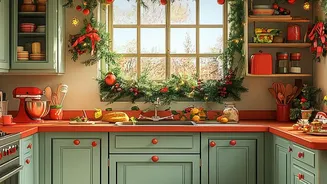
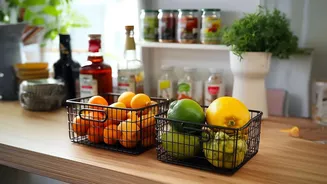
Before any new ingredients or special platters arrive, give your kitchen a foundational reset. This isn't just a quick wipe-down; it's a strategic declutter. Empty your countertops, removing anything that doesn't serve an immediate cooking purpose. Go
through your cabinets and drawers, discarding expired items and donating duplicate utensils or gadgets you rarely use. A deep clean of your oven, microwave, and fridge not only prepares them for heavy use but also creates a more pleasant and hygienic workspace. By starting with a decluttered and clean environment, you reduce visual noise and make it easier to find what you need when you need it, which is the first step toward a more efficient workflow.
Establish Smart Cooking Zones
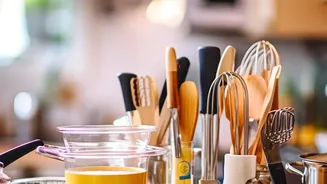
Professional kitchens run on efficiency, and you can apply the same logic at home by creating zones. Group similar items together based on their function. Designate a baking zone with your flour, sugar, mixing bowls, and stand mixer. Create a prep station with cutting boards, knives, and compost bowls. Keep pots, pans, and cooking utensils near the stove. This zoning system prevents you from running back and forth across the kitchen. When everything you need for a specific task is in one logical place, your movements become more economical, saving you precious time and energy during complex meal preparations.
Embrace 'Mise en Place'
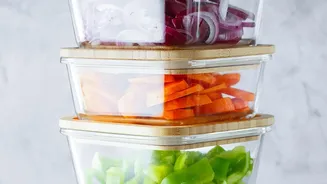
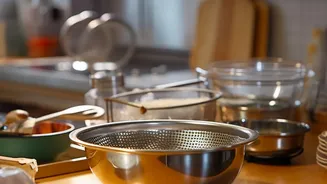
‘Mise en place’ is a French culinary term meaning “everything in its place,” and it is the single most effective habit for calm, controlled cooking. Before you turn on any heat, read your recipes thoroughly, then prep all your ingredients. This means chopping all your vegetables, measuring out spices, and portioning liquids into small bowls. Line them up in the order you'll use them. This practice transforms cooking from a frantic, reactive scramble into a focused, intentional process. Instead of rushing to mince garlic while something else is on the verge of burning, you can calmly focus on technique and timing, leading to better results and far less stress.
Organise Your Pantry and Fridge
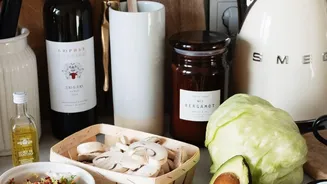
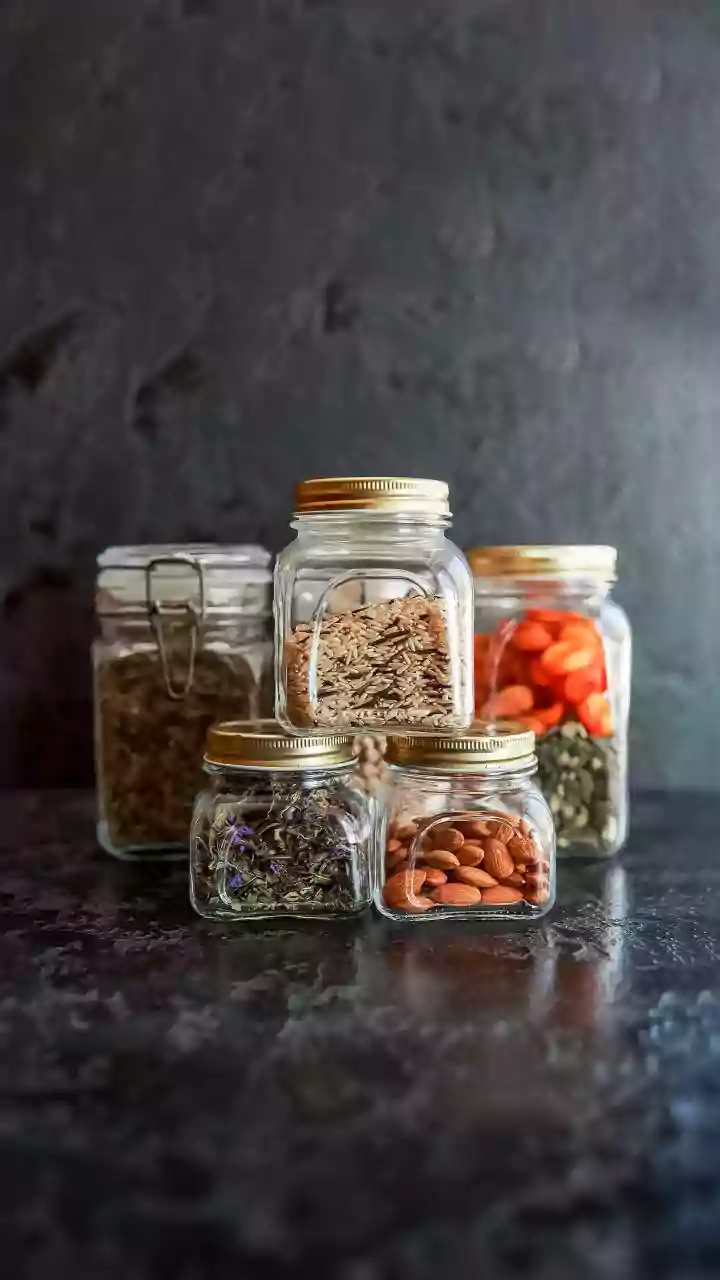
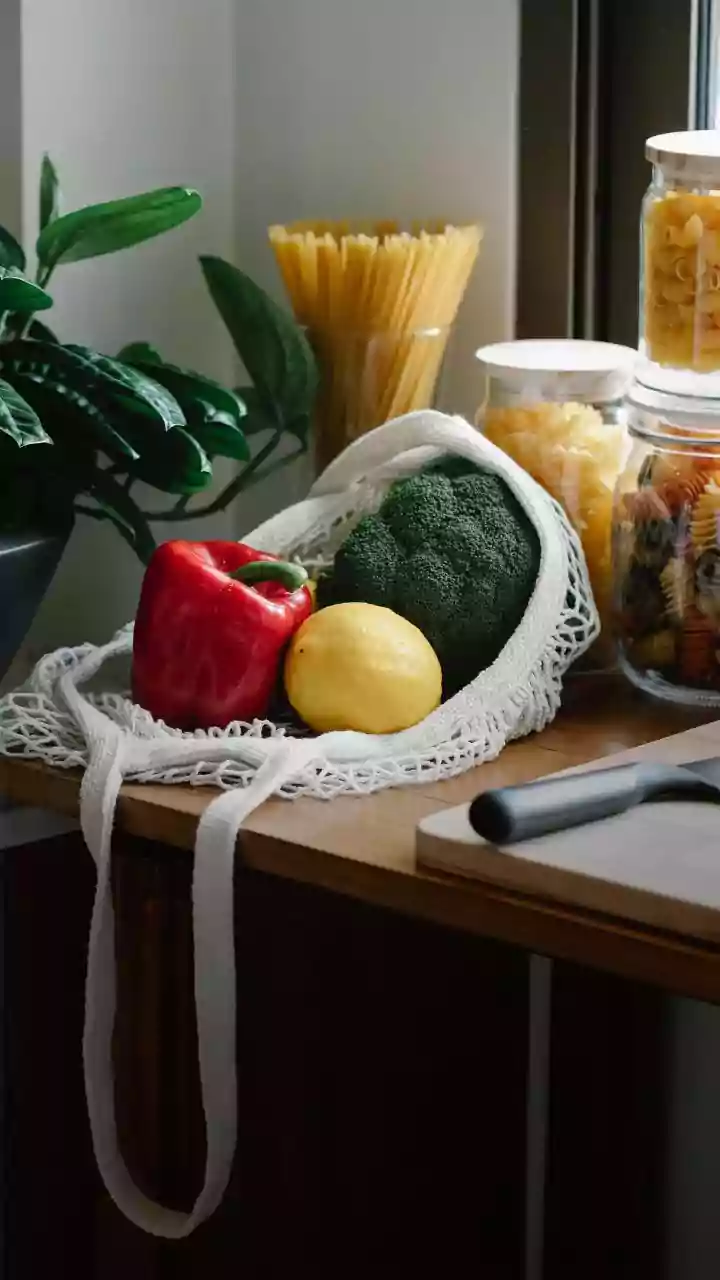
Festive cooking involves a larger-than-usual inventory of ingredients. A well-ordered pantry and fridge are crucial for managing this influx. Group similar items together: all baking supplies on one shelf, all canned goods on another. Use clear containers for dry goods like grains and sugar; this allows you to see inventory at a glance and keeps ingredients fresh. In the fridge, keep items you'll use first at the front. Store more perishable items like meats on lower shelves where it's colder. This system not only makes ingredients easier to find but also helps reduce food waste by ensuring nothing gets lost and forgotten at the back.
Maximise Your Vertical Space
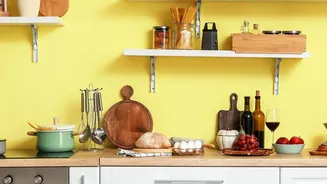
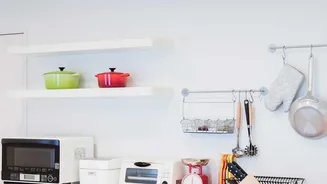
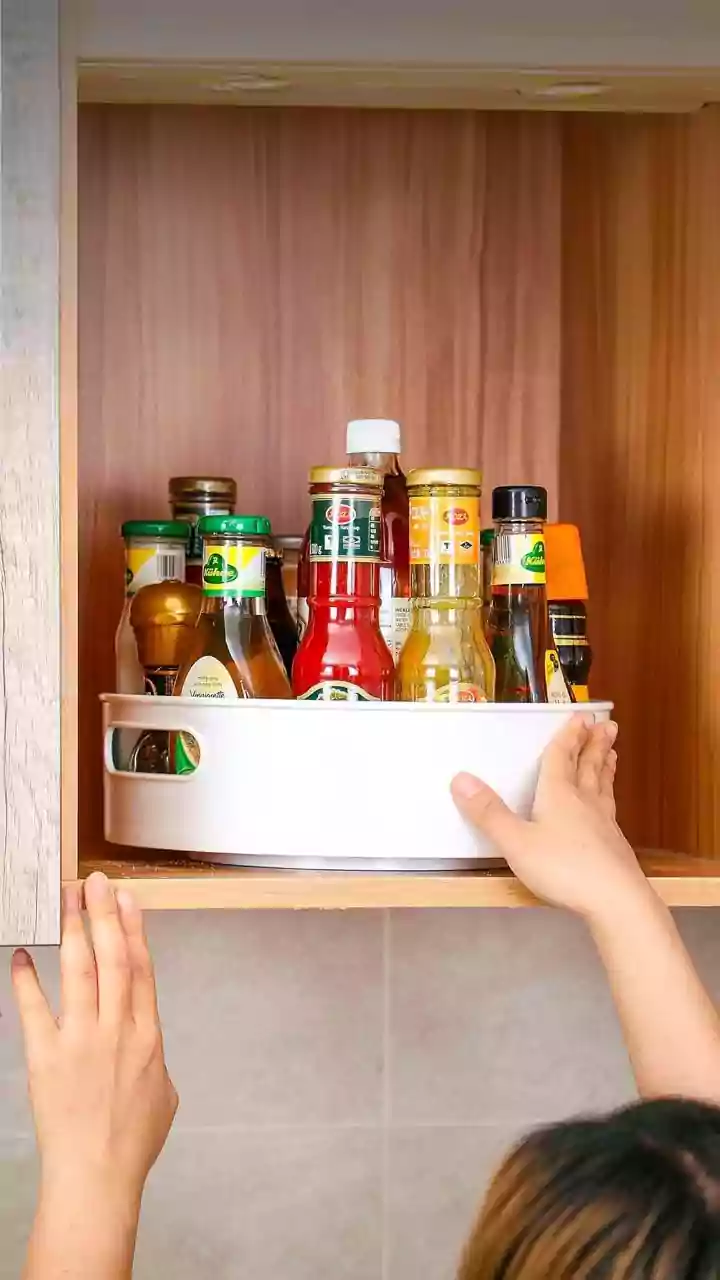
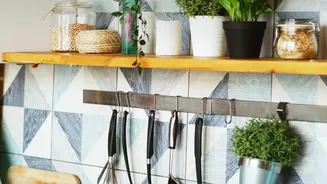
When counter and cabinet space is at a premium, look up. Maximising vertical space is a key organisational trick. Use stackable shelves inside your cabinets to double the storage for plates and bowls. Install under-shelf hooks for mugs to free up shelf space below. Magnetic knife strips on the wall keep essential tools accessible without taking up drawer or counter space. For your pantry, tiered spice racks ensure you can see every label without having to dig through a cluttered collection. These simple additions can dramatically increase your storage capacity, making your kitchen feel larger and function more efficiently.